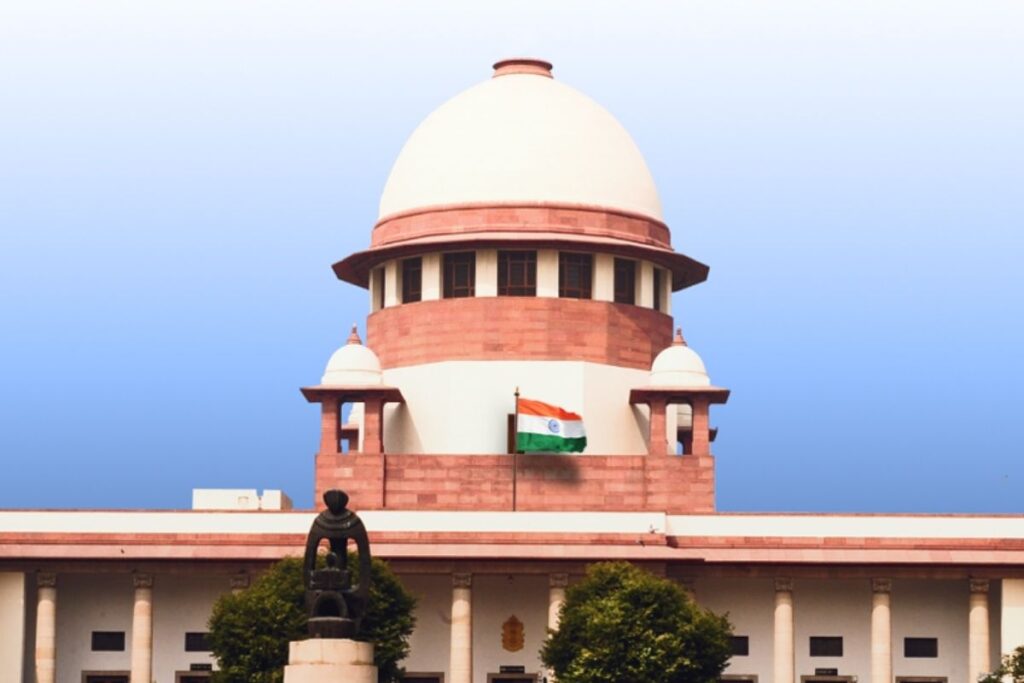
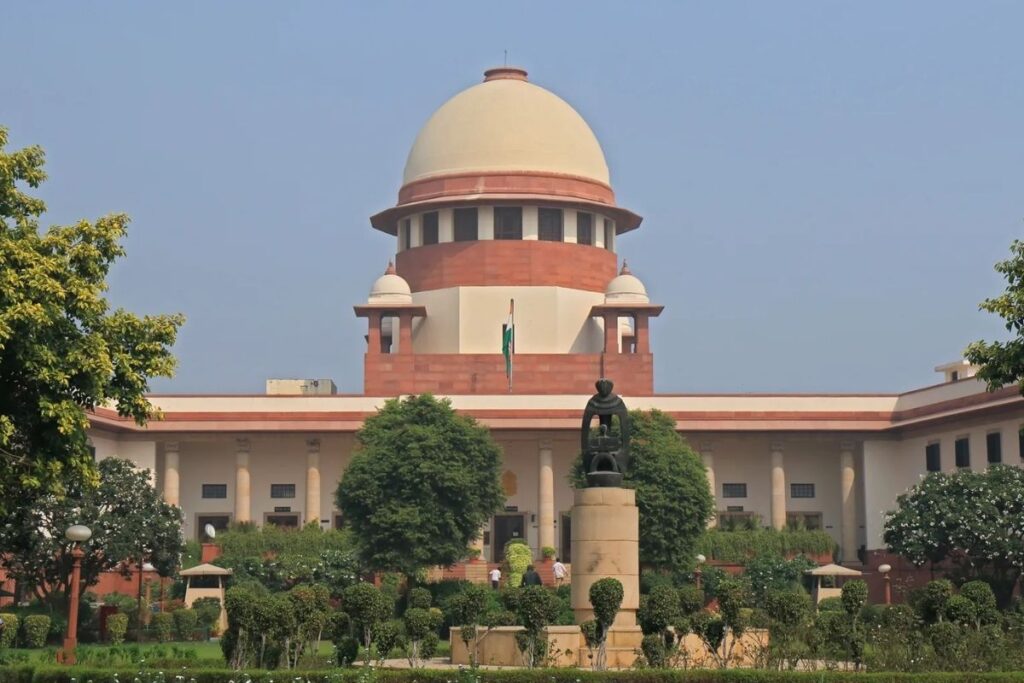
The Supreme Court has ruled that a litigant cannot file a second special leave petition (SLP) against the same High Court order if the first SLP was withdrawn unconditionally without permission to re-approach. The Court said that allowing such repeated petitions would defeat the principle of finality in litigation and go against public policy.
The judgment came in the case Satheesh VK v. The Federal Bank Ltd., where a borrower had defaulted on loans taken by mortgaging properties in Kozhikode. After the Kerala High Court directed him to pay ₹2 crore upfront and clear the balance in instalments, Satheesh approached the Supreme Court but withdrew his first SLP when the Bench appeared unwilling to interfere. He later sought review before the High Court, which was dismissed, and then returned to the Supreme Court with fresh appeals.
A Bench of Justices Dipankar Datta and KV Viswanathan observed that the borrower’s actions reflected an intent to delay repayment rather than resolve the matter. “The alacrity with which the appellant moved from court to court, without any inclination to repay, shows an attempt to buy time by resorting to technicalities,” the Court said.
Rejecting the argument that Article 136 powers allowed a second petition, the Court relied on Upadhyay & Co. v. State of UP, which held that once an SLP is withdrawn without liberty, a fresh one is barred. The Bench also applied the principle under Order XXIII Rule 1 of the Code of Civil Procedure—once a suit is withdrawn without liberty, a fresh suit on the same cause is not allowed.
Emphasising the need for finality in legal proceedings, the Court invoked the Latin maxim interest reipublicae ut sit finis litium—“it is for the public good that there be an end to litigation.” It clarified that entertaining a second petition in such circumstances would effectively mean reviewing an earlier order that had already attained finality.
The appeals were dismissed, though the borrower was granted the liberty to pursue remedies available before other forums under law.
——————————————–
Have a case update, article, or deal to share? Courtroom Today welcomes contributions from lawyers, law firms, and legal professionals. Write to contact@courtroomtoday.com