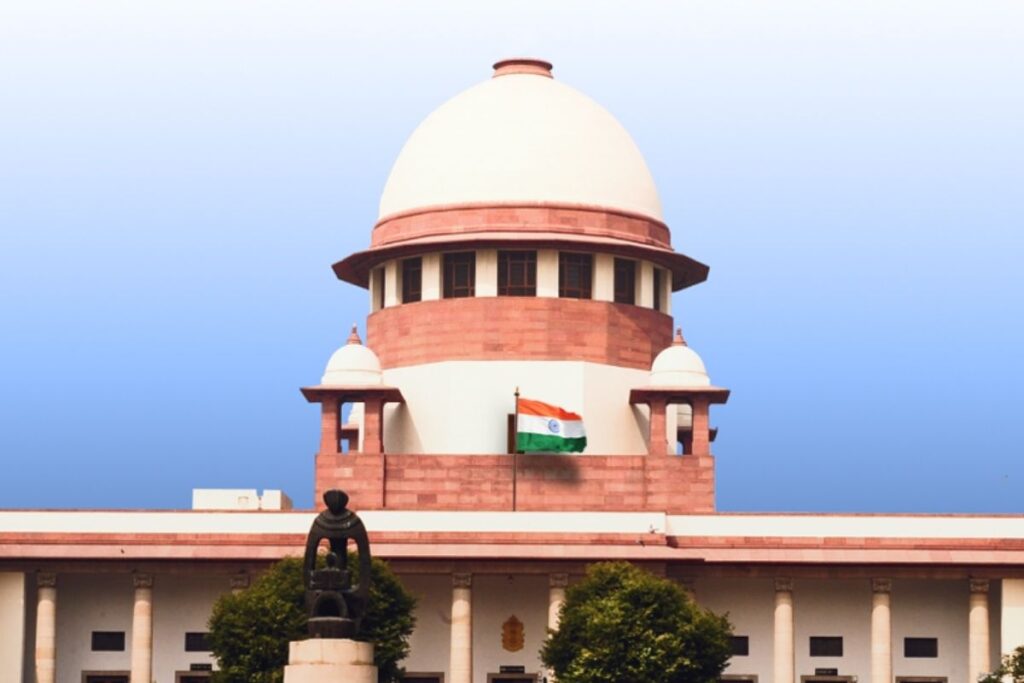
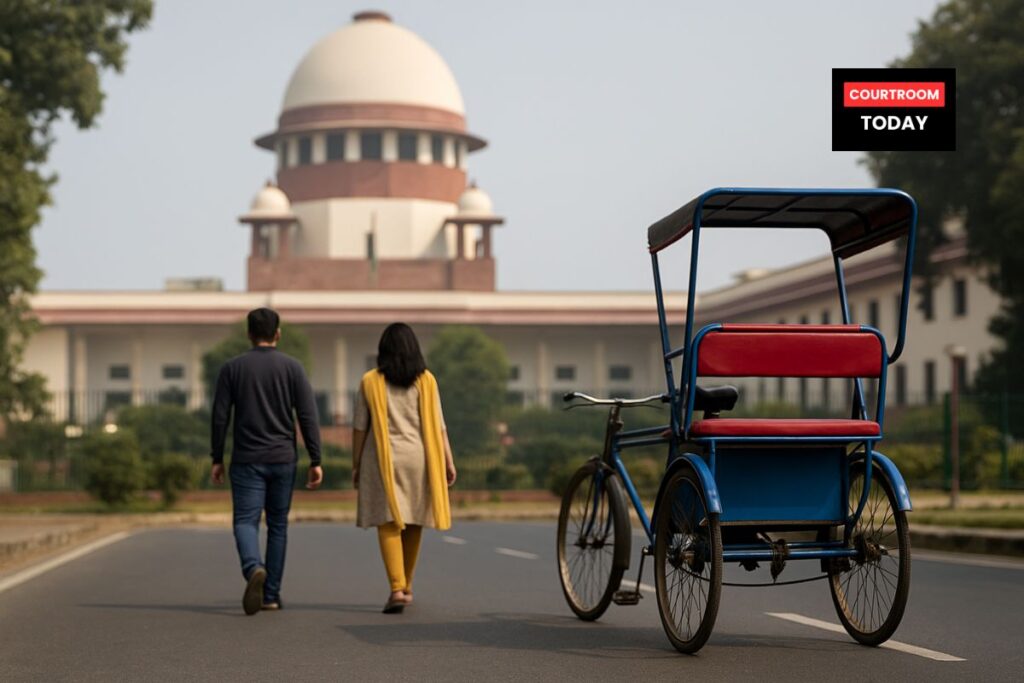
The Supreme Court has directed all States and Union Territories (UTs) to create specific road safety rules within six months to regulate the movement of pedestrians and non-motorised vehicles such as bicycles, rickshaws, and handcarts.
A Bench comprising Justices JB Pardiwala and KV Viswanathan issued this order while hearing a long-pending public interest petition, S Rajaseekaran vs Union of India and Others, originally filed in 2012. The case highlights the alarming number of road accidents in India and seeks stronger preventive measures.
According to the Court, the rules must be framed under Sections 138(1A) and 210D of the Motor Vehicles Act, 1988, which empower States to make regulations ensuring road safety and maintaining infrastructure standards. These provisions were added through the 2019 amendment to the Act.
What the law says
- Section 138(1A) authorises State governments to make rules to manage the movement of pedestrians and non-motorised vehicles in public areas. For national highways, such rules must be made in consultation with the National Highways Authority of India (NHAI).
- Section 210D allows States to set standards for the design, construction, and maintenance of roads other than national highways.
The Court noted that if such rules have not yet been made, they must be finalised within six months.
The matter was initiated by Dr S Rajaseekaran, an orthopaedic surgeon from Coimbatore, who approached the Court over the increasing number of road accidents across India. He urged the government to implement a coordinated strategy for road safety, better accident response systems, and improved post-accident medical facilities.
Over the years, the Supreme Court has passed several directions in this case. It earlier ordered the formation of a National Road Safety Council and Steering Committee to oversee implementation of safety measures and ensure enforcement of the Motor Vehicles Act, particularly Section 136A, which relates to electronic monitoring of traffic and safety violations.
In August 2024, the Court also discussed the creation of State and Central online portals for quicker payment of compensation to road accident victims.
The latest directive reinforces the Court’s continuous efforts to make Indian roads safer for both motorists and pedestrians. A detailed copy of the order is awaited.
——————————————–
Have a case update, article, or deal to share? Courtroom Today welcomes contributions from lawyers, law firms, and legal professionals. Write to contact@courtroomtoday.com