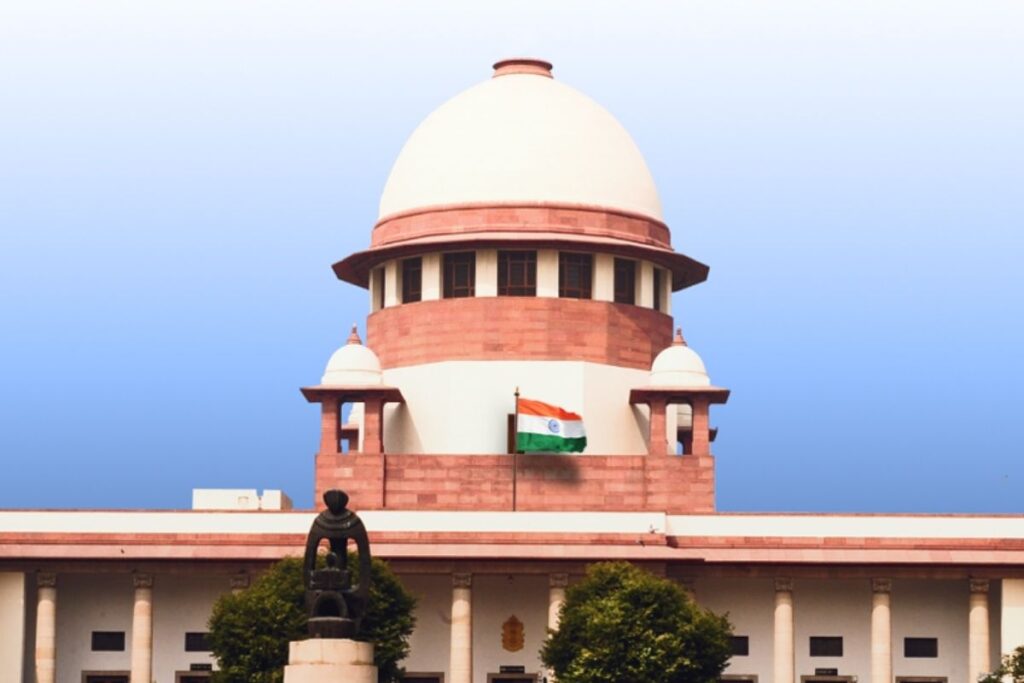
The Supreme Court on Monday refused to entertain a petition filed by Asian Paints Limited challenging the Competition Commission of India’s (CCI) investigation into alleged abuse of dominance raised by Grasim Industries Limited (Birla Opus Paints).
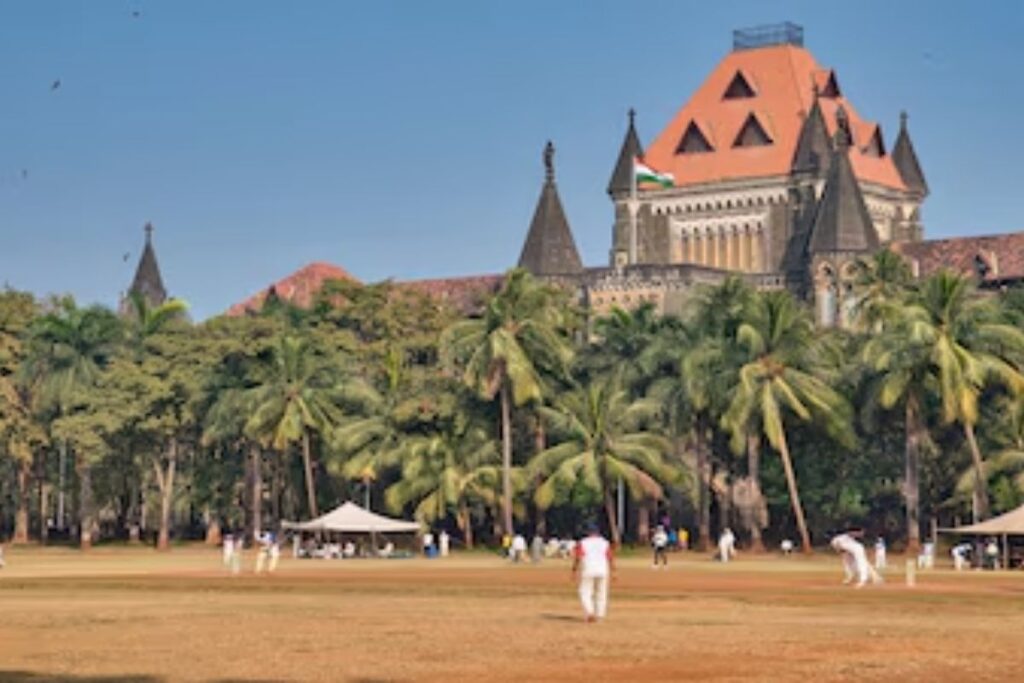
A Bench of Justices JK Maheshwari and Vijay Bishnoi expressed its unwillingness to consider Asian Paints’ appeal against a Bombay High Court judgment that had earlier upheld the CCI’s probe. Following this, the company decided to withdraw its appeal.
“After arguing for some time, learned Senior Counsel for the petitioner seeks permission to withdraw the plea. Accordingly, dismissed as withdrawn,” the Supreme Court order stated.
Background of the Dispute
The case began when Grasim Industries, which entered the decorative paints market in December 2024 under the brand Birla Opus Paints, filed a complaint before the CCI. Grasim accused Asian Paints of abusing its dominant market position by offering unfair discounts, pressuring dealers, and manipulating supply and logistics to block competition.
Based on these allegations, the CCI on July 1, 2025, directed its Director General (DG) to conduct an investigation under Sections 4(2)(a)(i), 4(2)(c), and 4(2)(d) of the Competition Act, 2002.
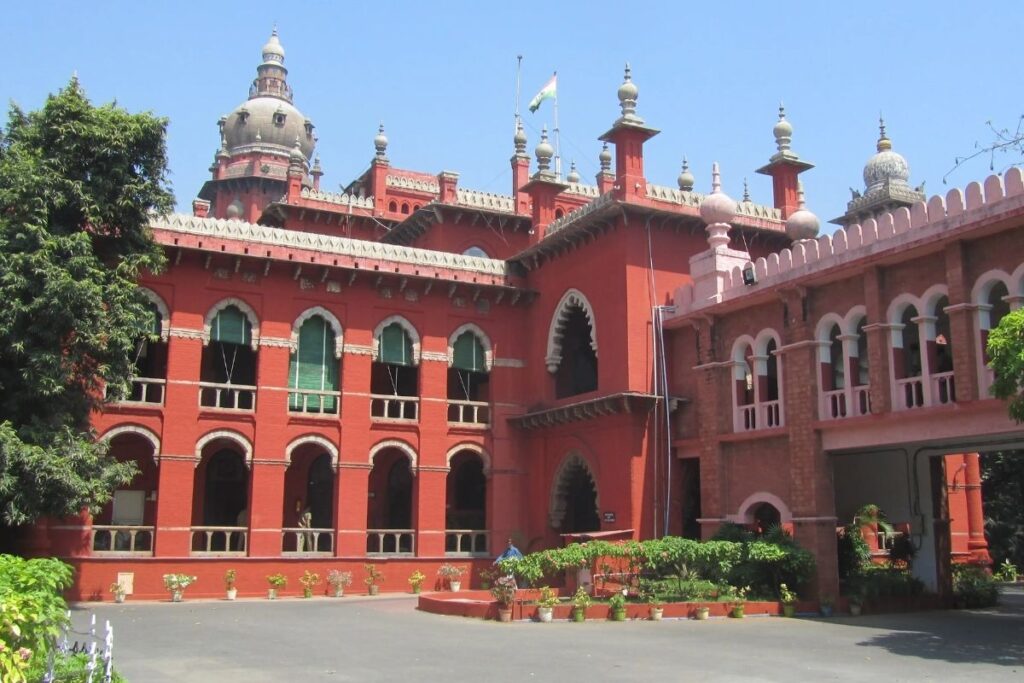
Although the order was uploaded online the same day, it was later replaced with a signed version on July 2, 2025. Asian Paints then approached the Bombay High Court, challenging the validity of the probe.
Asian Paints’ Arguments
Asian Paints argued before the High Court that the CCI could not reopen issues that had already been examined in earlier complaints filed by JSW Paints and Sri Balaji Traders in 2022. Those cases were dismissed after a detailed DG investigation found no wrongdoing.
The company relied on Section 26(2-A) of the Competition Act (inserted in 2023) to argue that the CCI was barred from re-examining similar issues that had already been settled. It also alleged procedural irregularities, claiming it was not granted a fair opportunity to be heard before the DG probe was ordered.
High Court’s Findings
The Bombay High Court, however, sided with the CCI. It accepted the Commission’s clarification that the unsigned July 1 order was uploaded by mistake and that the signed July 2 order was the valid operative one. Since both versions directed the same investigation, the Court ruled that Asian Paints’ objection on this ground was not valid.
On the question of Section 26(2-A), the Court held that the provision is clarificatory and discretionary, not mandatory. It empowers the CCI to close cases involving identical facts but does not prevent it from taking up a fresh complaint based on new material or distinct allegations.
The Court also pointed out that the earlier JSW Paints and Balaji Traders complaints were closed due to lack of evidence, while Grasim’s case presented new facts and invoked different legal provisions.
Accordingly, the High Court dismissed Asian Paints’ petition and upheld the CCI’s authority to investigate.
Outcome in the Supreme Court
Unhappy with the High Court ruling, Asian Paints moved the Supreme Court. However, the apex court declined to interfere and allowed the company to withdraw its appeal. This effectively means the CCI investigation will now continue.
Lawyers Involved
Senior Advocates Mukul Rohatgi and Neeraj Kishan Kaul appeared for Asian Paints, assisted by a team from Shardul Amarchand Mangaldas & Co.
Senior Advocate Abhishek Manu Singhvi represented Grasim Industries.
Summary
This case highlights how the Supreme Court continues to uphold the CCI’s autonomy in investigating potential anti-competitive practices. It also clarifies that Section 26(2-A) of the Competition Act does not limit the Commission’s power to act on new complaints, even if similar issues were examined earlier.
——————————————–
Have a case update, article, or deal to share? Courtroom Today welcomes contributions from lawyers, law firms, and legal professionals. Write to contact@courtroomtoday.com