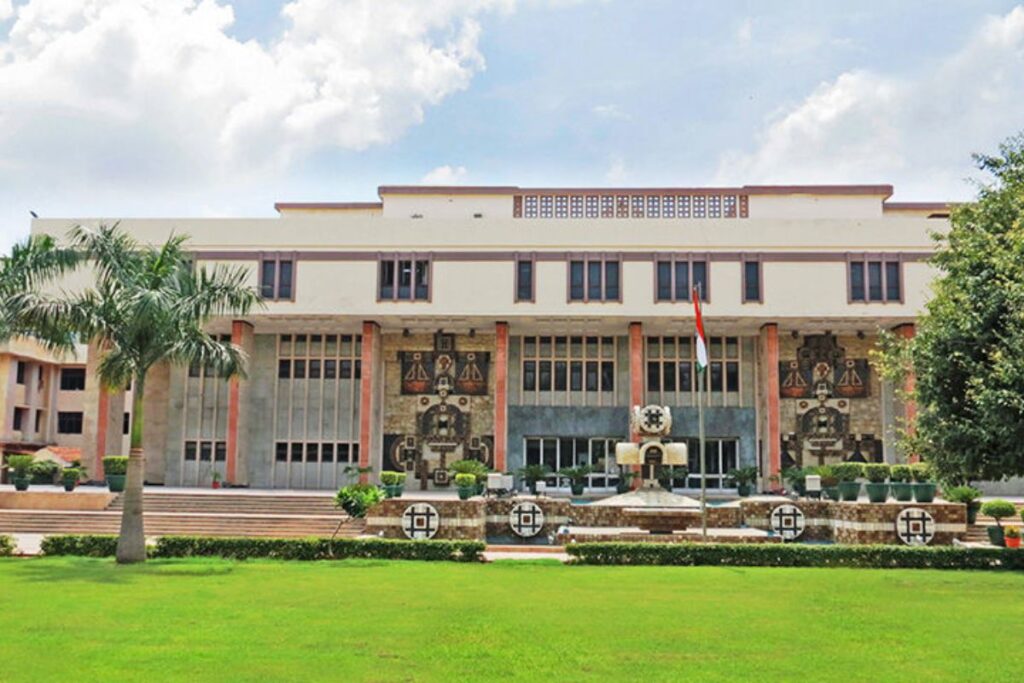
The Delhi High Court has permitted the Central Bureau of Investigation (CBI) to record the testimony of American businessman C. Edmonds Allen through video conferencing from the Indian Consulate in New York. The case relates to arms dealer Abhishek Verma and alleged violations under the Official Secrets Act (OSA) [Central Bureau of Investigation v. Abhishek Verma & Ors.].
Abhishek Verma was booked in 2012 for allegedly possessing confidential Ministry of Defence documents, including Air Force acquisition plans and minutes of Defence Acquisition Council meetings. The case began after Allen, Verma’s former attorney in the US, wrote to the then Defence Minister and shared certain classified papers he claimed to have received from Verma.
Earlier, the trial court had denied CBI’s request to examine Allen through video link, citing concerns that showing classified documents to a foreign witness might breach secrecy provisions and lead to unauthorised disclosure. The court also referred to procedural rules that required the accused’s consent for remote testimony.
However, Justice Sanjeev Narula set aside that order, observing that the Official Secrets Act does not prohibit electronic recording of evidence as long as strict safeguards are followed.
He stated,
“While the fear of possible leakage of classified material cannot be ignored, the correct legal approach is not to prohibit, but to regulate such processes through appropriate safeguards. The OSA allows courts to conduct sensitive proceedings privately and impose conditions to protect secrecy.”
The Court took note of Allen’s health condition—he is 79 years old, suffering from heart and bone ailments, and reportedly facing security threats—which make travel to India unsafe. Justice Narula said allowing video testimony from the Consulate balances national security with the right to a fair trial.
The Court also exercised its special powers under Rule 18 of the Delhi High Court Video Conferencing Rules, 2020, and waived the need for the accused’s consent. It directed that the testimony must be conducted in camera, through a secure and encrypted connection, and that all classified documents must remain in court custody.
Senior Advocate Maninder Singh, along with advocates Dinhar Takiar, Sanjana Nair, Anurupita Kaur, Mudit Maruah, and Karan Tomar, appeared for Abhishek Verma. Advocates Sarim Naved and Zeeshan Ahmad represented another respondent, while advocates Harshvardhan Jha and Aman Pathak appeared for Allen.
——————————————–
Have a case update, article, or deal to share? Courtroom Today welcomes contributions from lawyers, law firms, and legal professionals. Write to contact@courtroomtoday.com