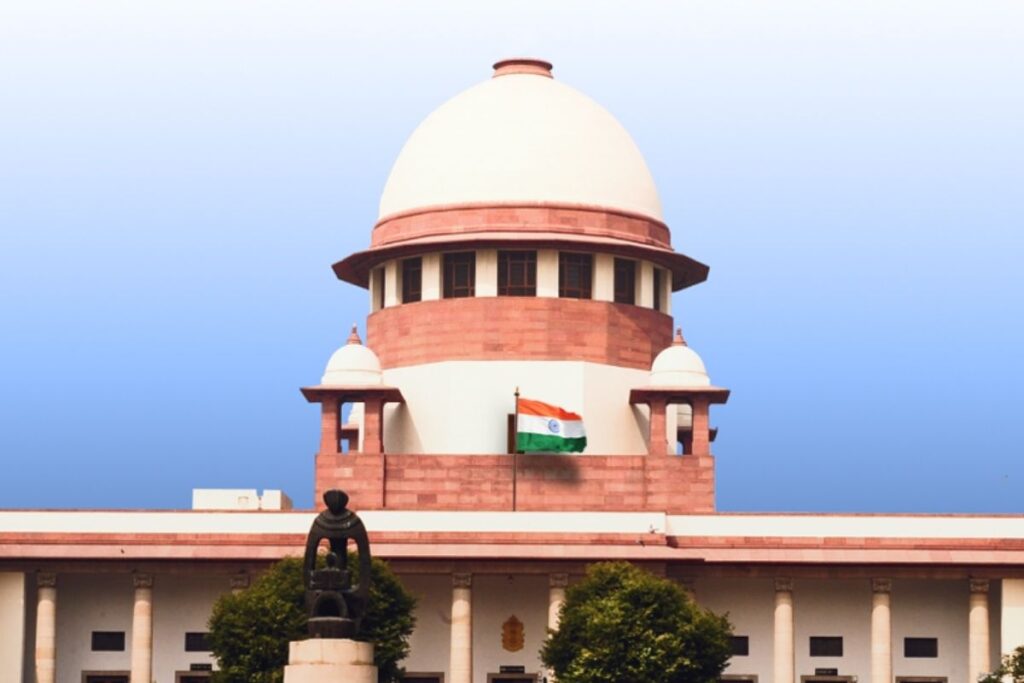

The Supreme Court has ruled that during investigations under Section 94 of the Bharatiya Nagarik Suraksha Sanhita (BNSS), the police cannot directly seize or examine a lawyer’s digital devices such as laptops, phones, or hard drives. Instead, such devices can only be produced before the jurisdictional court, which will then decide on any objections raised.
A Bench comprising Chief Justice of India BR Gavai and Justices K Vinod Chandran and NV Anjaria passed this ruling to protect the confidentiality of lawyer-client communications. The Court noted that lawyers often store sensitive information related to multiple clients on their devices, and therefore, unrestricted police access could violate legal privilege.
The Bench clarified that when such a request is made, the lawyer must present the device before the court. The court will then issue a notice to the client concerned and hear both sides before taking a decision.
“On production of the digital device by the advocate before the court, notice shall be issued to the concerned party. The court will then hear both the advocate and the party on any objection regarding the production, discovery, or admissibility of the device,” the judgment stated.
If the court overrules the objections, the digital device can only be opened in the presence of both the lawyer and the client, along with a digital technology expert chosen by them. This ensures transparency in the process and safeguards privacy.
The Court also emphasised that only information related to the ongoing case may be accessed. Details concerning other clients must remain confidential.
“While examining the digital device, care must be taken not to compromise the confidentiality of other clients. The discovery shall be confined strictly to what is sought by the investigating officer and only if found admissible,” the Bench added.
These directions were issued as part of a suo motu case taken up by the Supreme Court to examine the legality of summoning lawyers and seizing their documents or devices during investigations. The case originated from concerns that law enforcement agencies were misusing their powers to summon advocates who merely offered legal advice or representation to accused persons.
The ruling comes alongside the Court’s earlier clarification that lawyers cannot be summoned or questioned by the police merely for advising or representing an accused, except under rare circumstances permitted by law.
——————————————–
Have a case update, article, or deal to share? Courtroom Today welcomes contributions from lawyers, law firms, and legal professionals. Write to contact@courtroomtoday.com