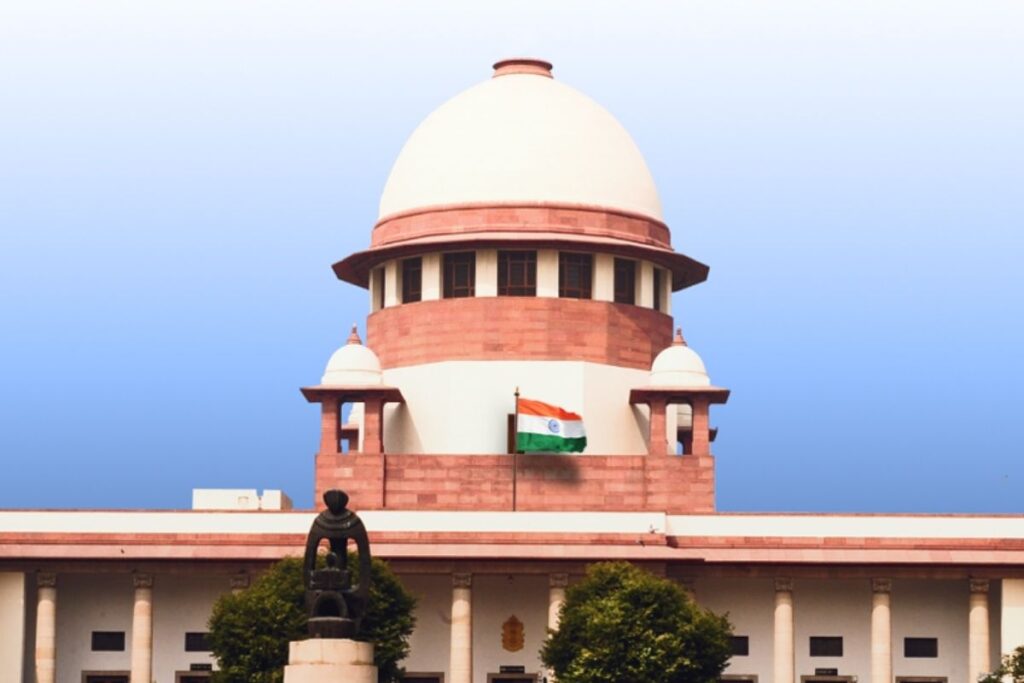
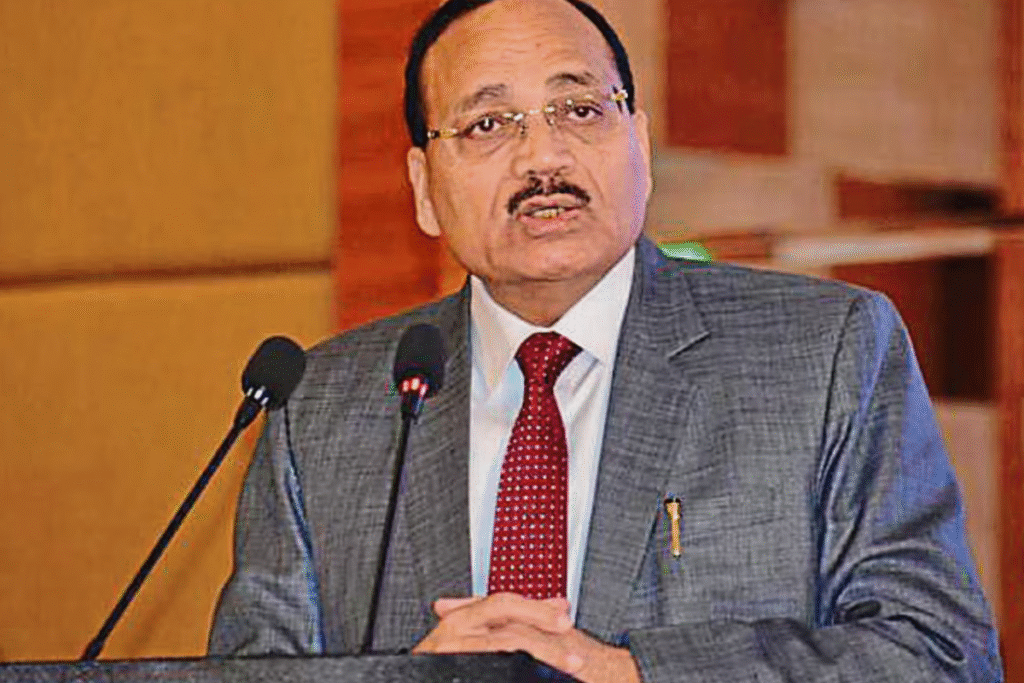
Supreme Court Justice Surya Kant, who is set to become the next Chief Justice of India, described artificial intelligence (AI) as “the most transformative force of our generation” while delivering the valedictory address at the Sixth Full Meeting of the Standing International Forum of Commercial Courts (SIFoCC) in New Delhi.
Justice Kant emphasised that technology must support human judgement rather than replace it. He cautioned that courts must ensure that the human element in justice delivery is never compromised in the pursuit of technological progress.
“Artificial intelligence is perhaps the most transformative force of our generation. Technology must augment, not replace, the discernment of the human mind,” he said.
He appreciated SIFoCC’s role as a global platform that brings together diverse legal systems while upholding shared values of justice, fairness, and the rule of law.
“SIFoCC represents the idea that though our jurisdictions differ in form and procedure, our commitment to justice and the rule of law remains constant,” he added.
Justice Kant noted that discussions during the forum showed a growing alignment among jurisdictions on key aspects such as procedural fairness, efficient case management, and predictability—all crucial for ensuring commercial certainty.
“Commercial law, at its core, is a law of promises, and trust is its currency,” he observed.
He also spoke about the evolving nature of corporate responsibility, saying that modern commerce must function with environmental awareness and intergenerational justice in mind.
“Corporate entities are no longer just market participants but stakeholders in the planet’s future,” he remarked, referring to India’s recognition of both the right to trade and the right to a clean environment as complementary constitutional guarantees.
Justice Kant further highlighted the significance of public trust in the judiciary, stressing that institutional legitimacy depends on both fairness of process and correctness of outcomes. He cited initiatives such as live-streaming of court proceedings, real-time access to judgements, and nationwide digital case management as steps that have made Indian courts more transparent and accessible.
He also welcomed the participation of younger judges at the forum, noting that their insights will play a crucial role in shaping the future of commercial adjudication.
Union Minister of Commerce and Industry Piyush Goyal, who also addressed the gathering, said that India is actively reforming its legal framework to reduce the burden on courts by decriminalising minor offences.
“India is working to decriminalise several provisions across laws so that minor misdemeanours can be resolved without burdening the judicial system,” he said, inviting suggestions from the participants to improve efficiency and strengthen public faith.
Justice Prathiba M. Singh of the Delhi High Court also spoke at the event, highlighting the importance of sustained collaboration between global institutions to enhance commercial justice.
She noted that evolving global best practices requires continuous and meaningful judicial engagement.
The organising committee for the event included Justices Prathiba M. Singh, Prateek Jalan, Amit Bansal, Manmeet Pritam Arora, and Anish Dayal.
——————————————–
Have a case update, article, or deal to share? Courtroom Today welcomes contributions from lawyers, law firms, and legal professionals. Write to contact@courtroomtoday.com