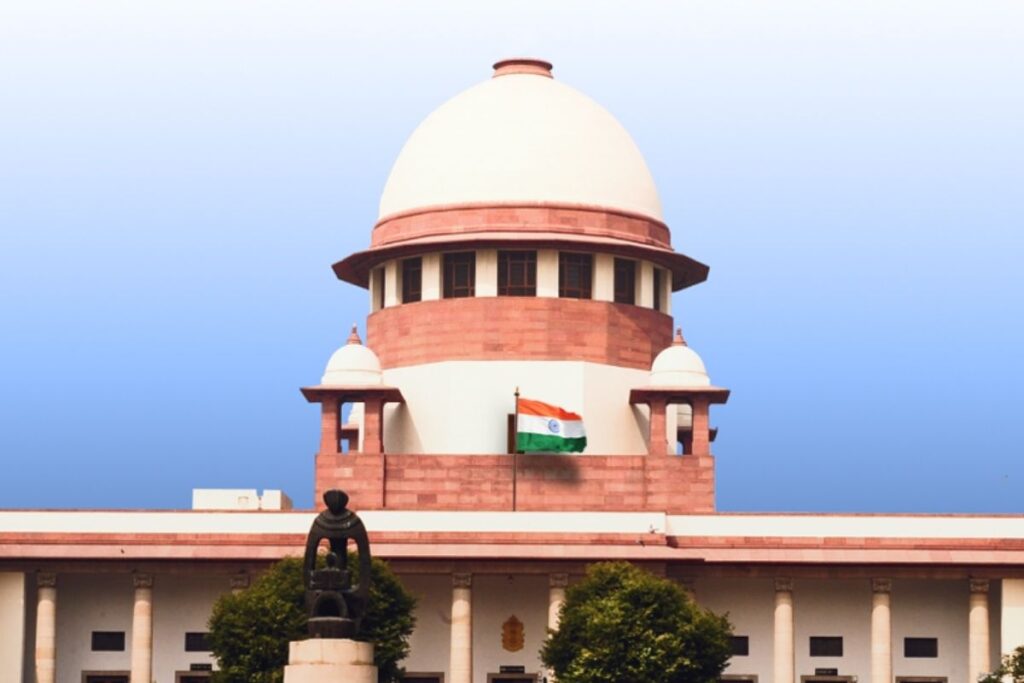
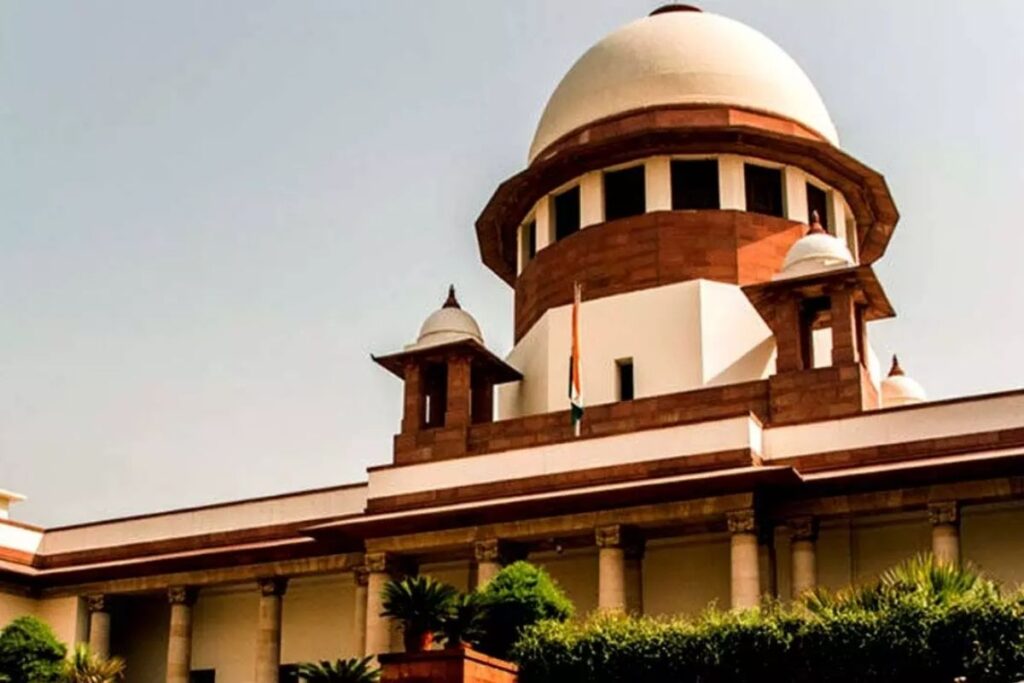
The Supreme Court has issued notice on a public interest litigation (PIL) that seeks clear statutory rules or executive guidelines for starting criminal proceedings against doctors in cases of medical negligence. [Case Name: SAMEEKSHA FOUNDATION – A CRUSADE AGAINST MEDICAL NEGLIGENCE v. UNION OF INDIA & ANR., W.P. (C) No. 1080/2025]
A Bench of Justices Vikram Nath and Sandeep Mehta passed the order after hearing Senior Advocate Shadan Farasat, who appeared for the petitioner.
The PIL has been filed by the Sameeksha Foundation. It argues that in the landmark judgment Jacob Mathew v. State of Punjab (2005), the Supreme Court had asked the Union and State governments to frame proper rules or instructions for handling medical negligence cases. However, even after almost twenty years, these rules have not been issued.
According to the petition, this delay reflects poorly on how the system views the importance of human life. The Foundation pointed out an RTI response from the National Medical Commission (NMC), stating that the process of framing such rules is still underway.
Background from the Jacob Mathew judgment
In paragraph 52 of the judgment, the Supreme Court had emphasised the need to frame guidelines to regulate the criminal prosecution of doctors. Until such rules were notified, the Court laid down temporary safeguards:
- A private complaint should not be entertained unless supported by a prima facie expert medical opinion from another competent doctor.
- Before taking action against a doctor accused of rashness or negligence, the investigating officer must obtain an impartial medical opinion, ideally from a government doctor qualified in the relevant speciality, applying the Bolam test.
- Doctors must not be arrested routinely. Arrest should be made only if required for investigation, evidence collection, or if the doctor is likely to avoid legal proceedings.
Petitioner’s concerns
The Foundation argues that without formal rules, medical negligence cases often rely on inquiry reports prepared by committees largely composed of doctors. This makes it difficult for patients to receive fair and unbiased assessments. Many complaints, they say, fail to result in FIRs because objective medical inquiry reports are hard to obtain.
The petitioner also highlights that most doctors hold indemnity insurance against negligence claims, and criminal cases often end up being evaluated under a “doctors judging doctors” system. This, according to the petition, reduces accountability.
To support its concerns, the petitioner refers to the 73rd Parliamentary Standing Committee Report on Health and Family Welfare, which observed that medical professionals examining complaints of negligence tend to be lenient towards fellow practitioners, making prosecutions before the Medical Council extremely rare.
The Standing Committee had recommended that inquiry committees should include experts from various fields—such as social activists and patient representatives—and not just doctors.
It is also noted that questions regarding the handling of medical negligence cases have been raised in Parliament multiple times. However, the usual government reply is that disciplinary complaints can be submitted to the respective medical councils under the Professional Conduct, Etiquette and Ethics Regulations, 2002. The government also states that there is no centralised data on medical negligence cases.
The PIL argues that deaths caused by gross negligence within hospitals would amount to serious criminal offences in any other context.
Additional concerns highlighted
The Foundation has cited media reports on alleged unethical practices in the healthcare sector, including:
- kidney rackets
- links between pharmaceutical companies and doctors
- freebies offered to doctors
- ties between diagnostic centres and doctors
- unnecessary surgeries or medical procedures
- extended hospital stays without medical need
Based on research from the National Library of Medicine, the petitioner states that India records an estimated 5.2 million cases of medical malpractice annually across various healthcare settings. This, it claims, is in stark contrast to NCRB data, which shows only 1,019 cases of deaths due to medical negligence recorded between 2017 and 2022.
Suggestions proposed by the petitioner
To ensure transparency and fairness, the Foundation suggests that inquiry committees should include:
- patient rights NGOs
- retired judges
- judicial officers
- retired IAS/IPS officers
- NHRC-nominated members
- senior advocates as amicus curiae
- university professors
- independent investigators
- social and human rights activists
The petition has been filed through Advocate-on-Record Devansh Srivastava.
——————————————–
Have a case update, article, or deal to share? Courtroom Today welcomes contributions from lawyers, law firms, and legal professionals. Write to contact@courtroomtoday.com