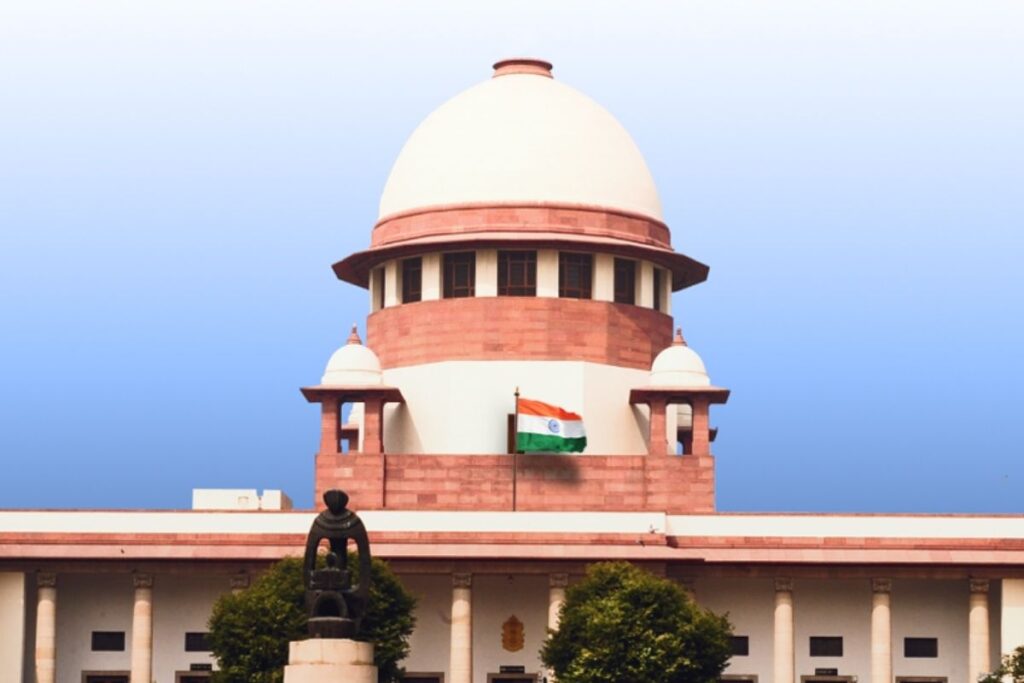

The Delhi High Court in Rahul Bajaj v. Union of India & Ors. has asked the Central government to respond to a petition seeking mandatory steps to make television content accessible for persons with visual and hearing disabilities. The plea has been filed by lawyer and disability-rights advocate Rahul Bajaj, who argues that most TV programmes in India remain inaccessible despite clear legal duties under the Rights of Persons with Disabilities (RPwD) Act, 2016.
Justice Sachin Datta sought replies from the Ministry of Information and Broadcasting (MIB) and the Ministry of Electronics and Information Technology (MeitY).
According to the petition, the absence of audio description, closed captioning, Indian Sign Language (ISL) interpretation, and other accessibility features prevents lakhs of viewers with disabilities from accessing news, entertainment, and educational content independently. Bajaj highlighted that access to television is closely linked to the rights to information, equality, and participation in cultural life.
The plea says that the government itself has set accessibility targets—50% accessible TV content by 2025, and 80% accessibility for foreign-language channels. However, the public has no information on whether broadcasters are complying with these targets. Bajaj has asked the Centre to disclose current compliance data.
He pointed out that the 2019 Accessibility Standards framed by the government are ineffective because broadcasters were never formally notified under Rule 15, which is required to make these standards legally binding. Due to this lapse, broadcasters have no enforceable obligation to include accessibility features. Further, the 2019 standards only cover the needs of hearing-impaired viewers and fail to include audio descriptions for visually impaired persons, even though Section 42 of the RPwD Act mandates accessible electronic media for all persons with disabilities.
The Court has asked the Centre to respond specifically on why audio-description standards have not yet been framed. The matter will be heard again on January 29, 2026.
The petition also notes that accessibility features like subtitles and audio descriptions benefit not only persons with disabilities but also viewers with limited literacy, since these tools can improve learning and comprehension. While such features are commonly available in English-language content, they are still missing in most Indian-language broadcasts.
The petition seeks implementation of the 2019 guidelines, framing of audio-description norms for visually impaired viewers, creation of an enforcement mechanism for non-compliance, and inclusion of accessibility features in TV equipment such as remotes and set-top boxes.
——————————————–
Have a case update, article, or deal to share? Courtroom Today welcomes contributions from lawyers, law firms, and legal professionals. Write to contact@courtroomtoday.com