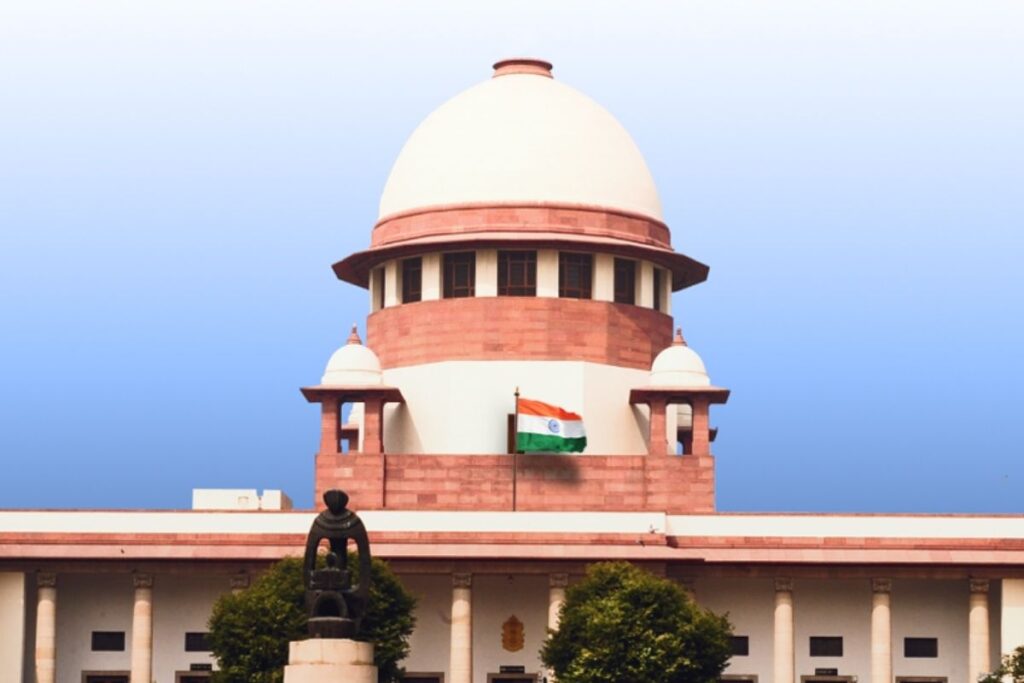
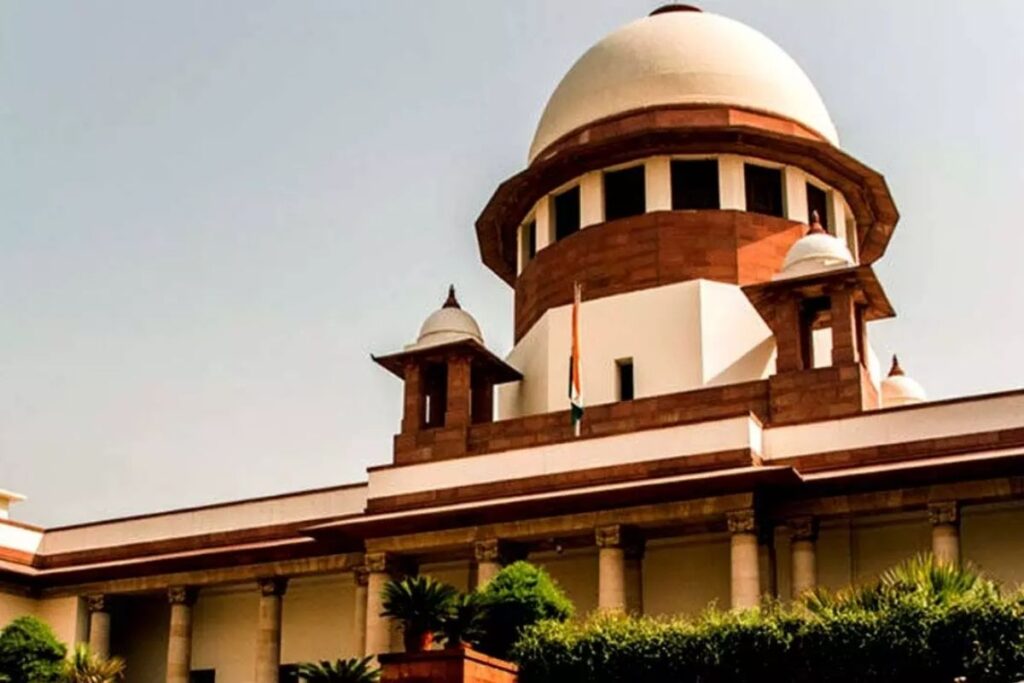
The Supreme Court in Sarang Vaman Yadwadkar v. Union of India & Ors has refused to hear a petition questioning the quality standards of packaged drinking water in India, calling it a case of “luxury litigation” at a time when many people in the country do not have access to basic drinking water.
A Bench led by Chief Justice of India Surya Kant and Justice Joymalya Bagchi was hearing a writ petition filed by Sarang Vaman Yadwadkar. The petition asked the Court to issue directions for improving the standards applicable to packaged drinking water, in line with international norms followed in countries like the US, EU and Japan.
At the very beginning, the Chief Justice questioned the basis of the plea. He pointed out that large sections of the population still struggle to get drinking water at all. The Court observed that concerns about bottled water quality cannot take priority when many citizens do not even have access to safe water for daily use.
Senior Advocate Anita Shenoy, appearing for the petitioner, argued that people consuming packaged water should at least be assured of safety and hygiene. She submitted that poor-quality packaged water can directly affect public health. She relied on Section 18 of the Food Safety and Standards Act, 2006, which requires authorities to ensure food safety standards are followed.
However, the Court was not convinced. The Chief Justice remarked that the petition reflected an urban-focused outlook. He noted that people in rural areas mainly depend on groundwater and that the plea failed to address villages where even basic drinking water facilities are missing.
The Bench said it would have appreciated a petition highlighting the lack of drinking water in rural and poor areas rather than focusing on labelling or content standards of bottled water. According to the Court, such concerns fall within the category of luxury litigation.
When the petitioner’s counsel denied this characterisation and again stressed health concerns, the Chief Justice reiterated that India’s ground realities cannot be ignored. He questioned whether it was practical to apply international standards without first addressing basic water access issues. He also observed that legal action often overlooks the struggles of poorer sections of society.
The petitioner also pointed out that Indian standards are weaker than World Health Organization norms. Despite this, the Court declined to examine the issue judicially at this stage.
Before closing the case, the Supreme Court allowed the petitioner to withdraw the plea, granting liberty to approach the appropriate authorities. In a concluding remark, the Chief Justice said that understanding India requires engaging with areas where people still struggle to access water, not just focusing on urban concerns.
——————————————–
Have a case update, article, or deal to share? Courtroom Today welcomes contributions from lawyers, law firms, and legal professionals. Write to contact@courtroomtoday.com