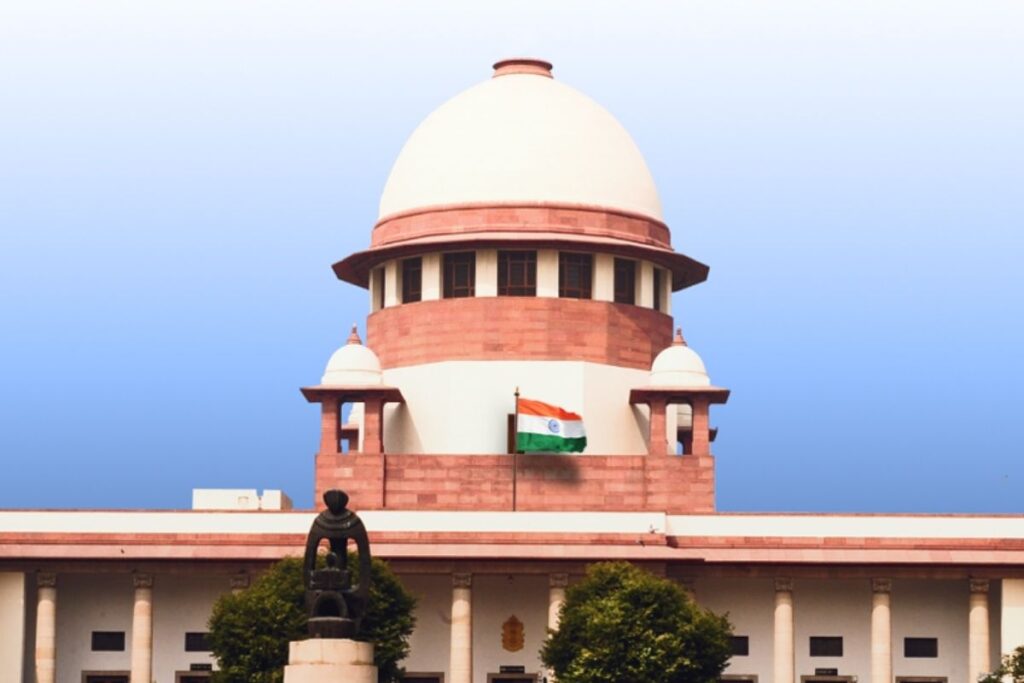
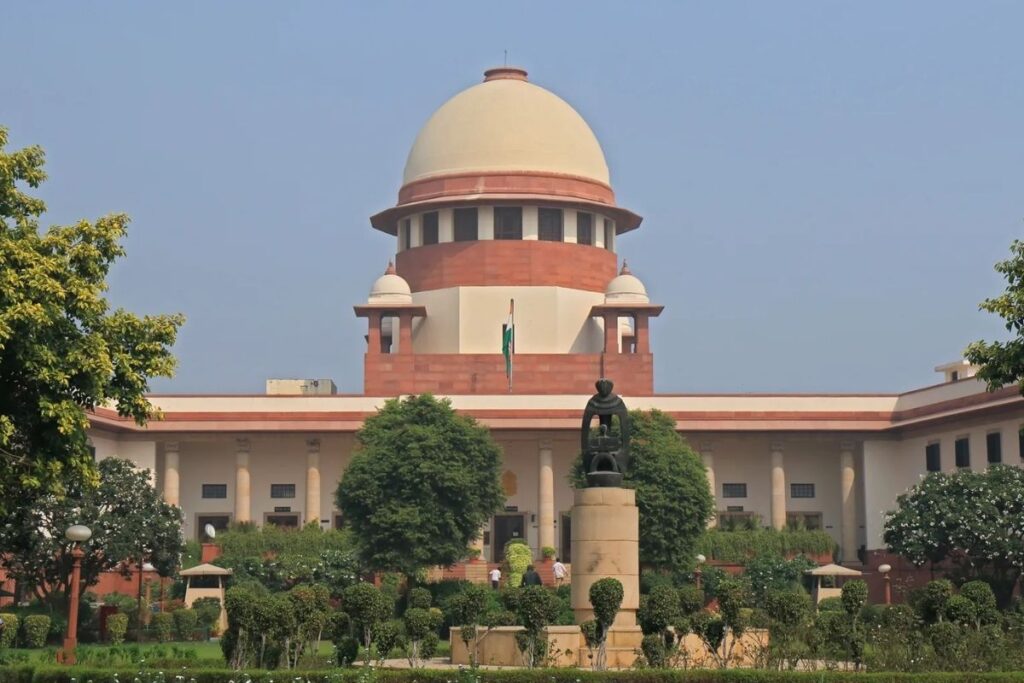
The Supreme Court on Thursday welcomed the resolution of the long-standing dispute between the Kerala Chief Minister and the Governor over the appointment of Vice Chancellors (VCs) in two State universities. Calling it a “happy ending”, the Court appreciated the consensus reached by both constitutional authorities.
A Bench of Justice JB Pardiwala and Justice KV Viswanathan was informed that regular Vice Chancellors have finally been appointed after months of deadlock. Dr Saji Gopinathan has been appointed as Vice Chancellor of APJ Abdul Kalam Technological University, while Dr Ciza Thomas has been appointed as Vice Chancellor of the University of Digital Sciences, Innovation and Technology.
The appointments had been delayed due to differences between the State Government and the Governor, who also acts as the Chancellor of the universities. Concerned about the impact on students and academic functioning, the Supreme Court had earlier appointed a search and selection committee headed by former Supreme Court judge Justice (Retd.) Sudhanshu Dhulia. When even that did not lead to a solution, the Court indicated that it might step in and make the appointments itself.
Following this, the Governor and the State Government agreed on the names from the panel recommended by the committee. Recording its satisfaction, the Court noted that the universities had remained without permanent heads for a long time, affecting students, staff and affiliated institutions.
Justice Pardiwala remarked that the Court’s priority was to ensure that educational institutions are not left “rudderless”. He also expressed hope that such dialogue between constitutional authorities continues, even joking that they should keep talking “over a mug of coffee” for the larger public interest.
The Court placed on record its appreciation for Justice Dhulia, the Attorney General, and the counsels representing both sides. It held that the authorities acted in the true spirit of the Constitution by respecting the Court’s directions. Importantly, the Court clarified that while the dispute has been resolved, questions of law remain open for future consideration.
——————————————–
Have a case update, article, or deal to share? Courtroom Today welcomes contributions from lawyers, law firms, and legal professionals. Write to contact@courtroomtoday.com