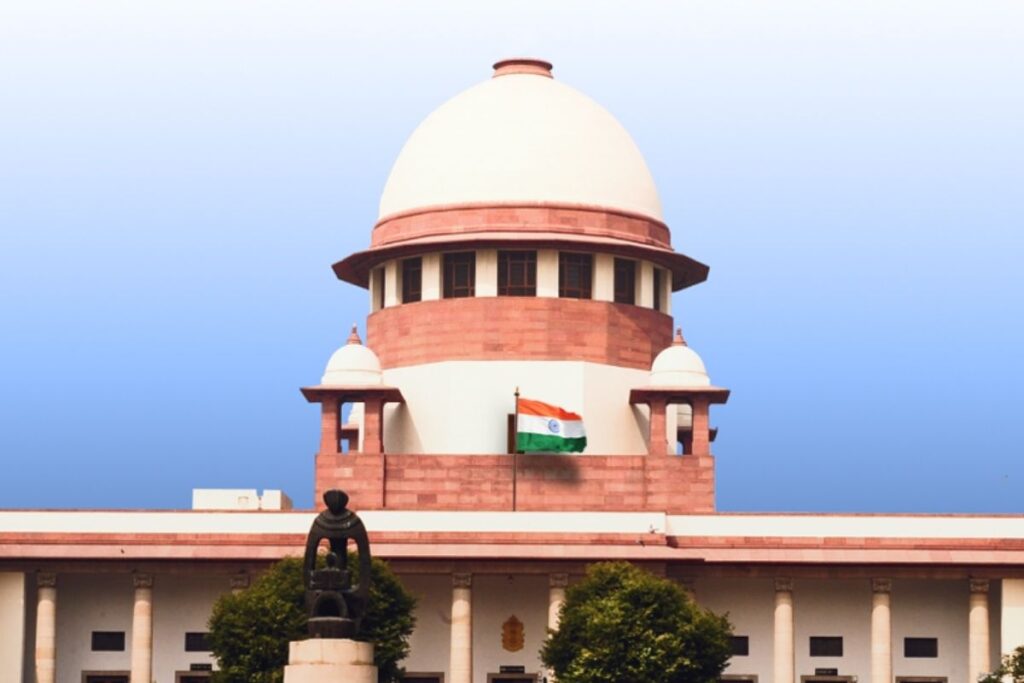
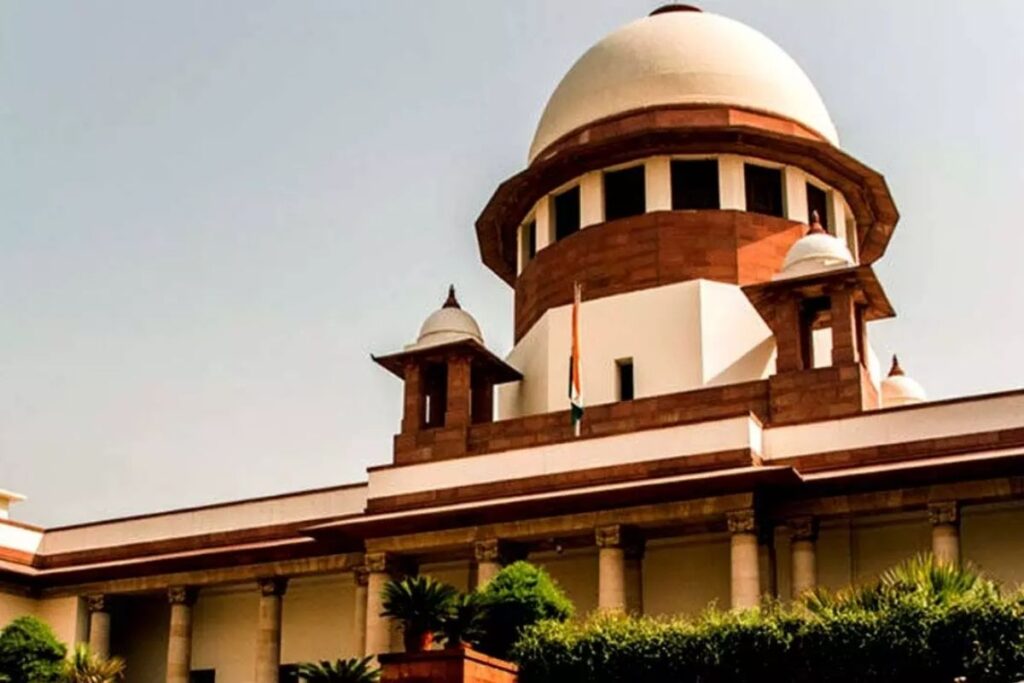
The Supreme Court of India has stayed its recent judgment related to the Aravalli Hills, stating that further clarification is required on key definitions approved earlier. The stay will remain in force until the matter is examined in detail again.
The Court also announced that a new expert committee will be formed to study the environmental impact of the recommendations made by an earlier committee, which mainly included government officials. This move came after strong reactions and protests from environmental groups who feared that the earlier ruling could harm the Aravalli ecosystem.
The order was passed by a Bench led by Chief Justice of India Surya Kant, along with Justices J K Maheshwari and Augustine George Masih. The Bench stayed its November 20 judgment, which had accepted the recommendations of a committee formed to define the Aravalli Hills for mining-related purposes.
The Court clarified that both its earlier directions and the committee’s recommendations will remain in abeyance for now. The matter is scheduled to be heard again on January 21, 2026.
The proceedings began as a suo motu case, after widespread public concern that the earlier decision could open large parts of the Aravalli range to mining. Addressing the issue, the Chief Justice observed that an independent expert opinion was necessary to remove ambiguities, especially regarding how “hills” and “ranges” were being defined.
The Bench also highlighted the need to assess whether the newly approved demarcation could expand areas where mining activities might be allowed, and if such activities—even if regulated—could cause ecological damage.
Appearing for the Union government, Solicitor General Tushar Mehta said that there had been misunderstandings about the Court’s earlier orders and the government’s role. He explained that the earlier committee’s report was accepted after due consideration.
While the Court noted that many objections raised lacked scientific backing, it acknowledged that the public outcry from environmentalists could not be ignored. According to the Bench, the criticism appeared to arise from unclear wording and possible misinterpretation of the earlier directions. This, the Court said, required institutional caution before allowing the ruling to take effect.
The Aravalli range stretches across Delhi, Haryana, Rajasthan and Gujarat and plays a crucial role in maintaining ecological balance in northern and western India. In May 2024, while hearing a case on illegal mining, the Court had pointed out that different States were using different definitions for the Aravalli Hills and had called for a uniform definition.
The committee formed thereafter suggested that any landform in Aravalli districts with an elevation of 100 metres or more from local relief should be classified as Aravalli Hills. It further defined an Aravalli Range as two or more such hills located within 500 metres of each other.
In its November 20 judgment, a previous Bench had accepted these definitions and upheld a ban on mining in core or inviolate areas. However, it had refused to impose a complete mining ban, warning that total prohibition could encourage illegal mining and criminal activity.
With the stay now in place, the Court will reconsider these issues after receiving inputs from a fresh expert committee.
——————————————–
Have a case update, article, or deal to share? Courtroom Today welcomes contributions from lawyers, law firms, and legal professionals. Write to contact@courtroomtoday.com