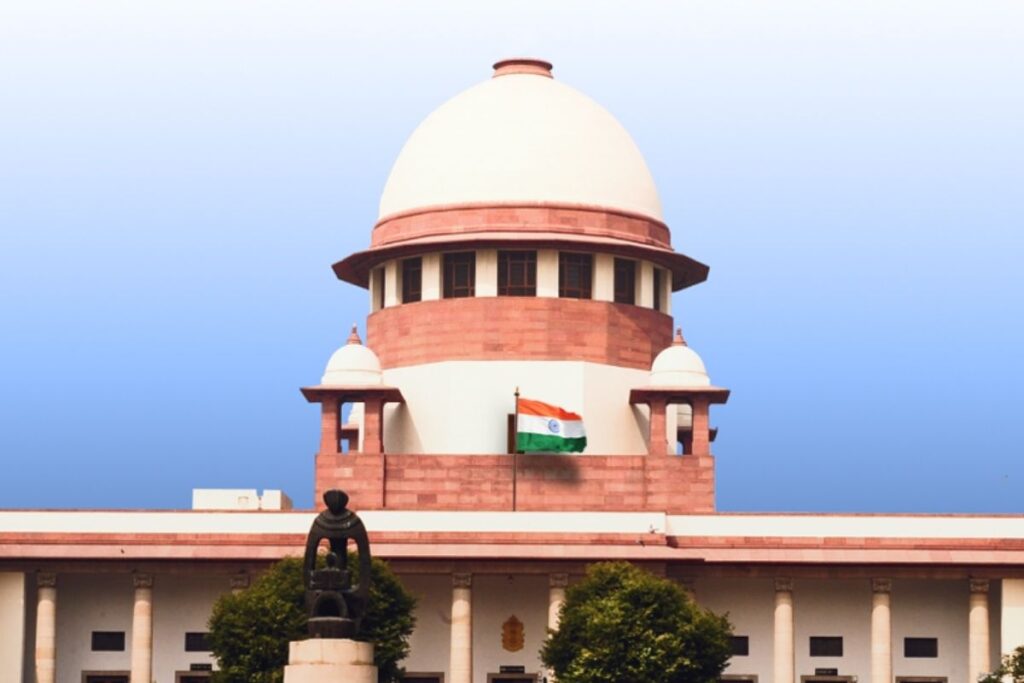
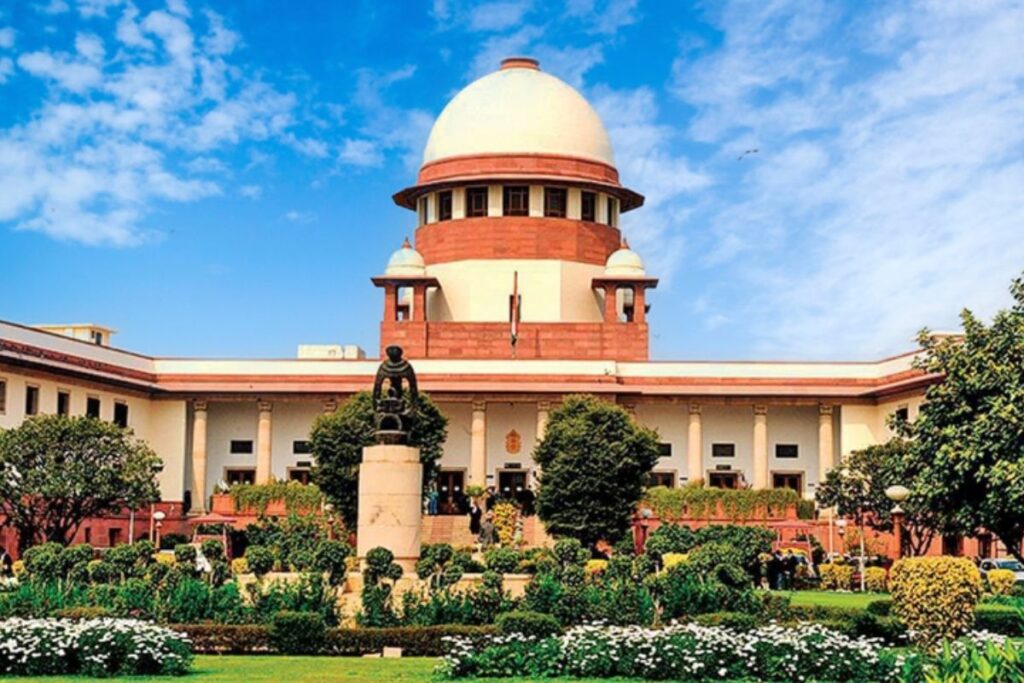
The Supreme Court of India has clearly ruled that a judge cannot be dismissed from service merely for failing to mention a legal provision while granting bail. The Court said that disciplinary action against a judicial officer cannot be based only on bail orders passed by the judge, unless there is clear proof of corruption, bias, bad faith, or external influence.
A Bench of Justice JB Pardiwala and Justice KV Viswanathan overturned the dismissal of a senior judicial officer from Madhya Pradesh. The case arose from disciplinary action taken against Nirbhay Singh Suliya, a former Additional District and Sessions Judge.
The Supreme Court made it clear that judicial independence depends on judges being able to decide cases without fear. A mistake in drafting a bail order, such as not citing a specific section of law, does not amount to misconduct by itself. According to the Court, such errors cannot justify removal from service unless supported by evidence of dishonest intent.
The Court also highlighted the difficult working conditions of trial court judges. It noted that they handle a heavy workload every day and are often under pressure from dissatisfied litigants. The Bench expressed concern that complaints are sometimes used as tools to harass or intimidate judges.
In this case, the disciplinary proceedings were based on allegations that the judge granted bail improperly in certain cases under the Madhya Pradesh Excise Act. However, the Supreme Court found serious flaws in the inquiry. Important witnesses were not examined, and even the public prosecutor involved in the cases stated that the bail orders were legally correct and were never challenged by the State.
The Court held that the findings of the departmental inquiry were unreasonable and unsupported by evidence. As a result, it ordered the reinstatement of the judge with full back wages, six per cent interest, and all service benefits. The amount must be paid within eight weeks.
The Supreme Court also stressed the duty of High Courts to protect trial judges from baseless allegations and ensure that disciplinary action is taken only on strong and reliable material. It directed that the judgment be circulated to all High Courts across the country.
——————————————–
Have a case update, article, or deal to share? Courtroom Today welcomes contributions from lawyers, law firms, and legal professionals. Write to contact@courtroomtoday.com