
The Supreme Court of India has refused to interfere in the controversy surrounding the release of the Vijay-starrer Jana Nayagan, which has been facing delays in getting censor clearance.
The plea was filed by the film’s producer after the movie failed to receive timely certification from the Central Board of Film Certification (CBFC). The film was originally scheduled for release on January 9.
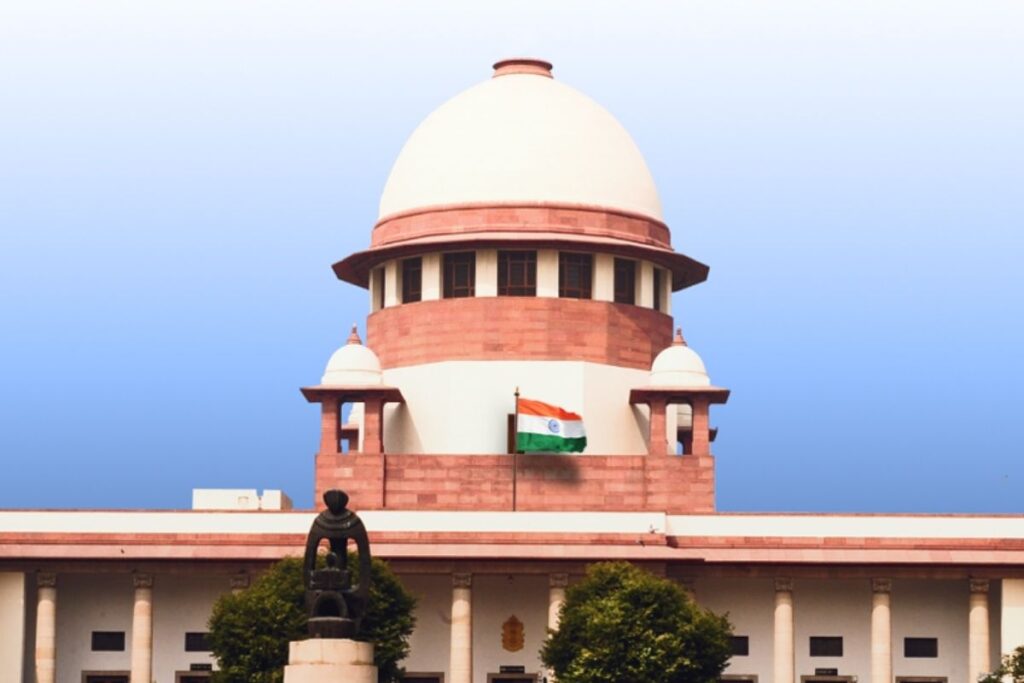
A Bench comprising Justice Dipankar Datta and Justice A.G. Masih observed that the matter is already pending before the Madras High Court and should be decided there. The Supreme Court stated that it was not inclined to intervene at this stage and expressed hope that the High Court’s Division Bench would try to decide the appeal on January 20.
Jana Nayagan is being promoted as actor Vijay’s final film before his full-time entry into politics. Vijay recently launched his political party, Tamilaga Vettri Kazhagam, making the film’s release highly anticipated.
Earlier, a CBFC examining committee had recommended granting the film a U/A 16+ certificate, subject to certain cuts. The filmmakers agreed and made the suggested changes. However, a complaint was later raised by a member of the same committee, claiming that some scenes could hurt religious sentiments and that certain depictions involving defence forces required review by a defence expert.
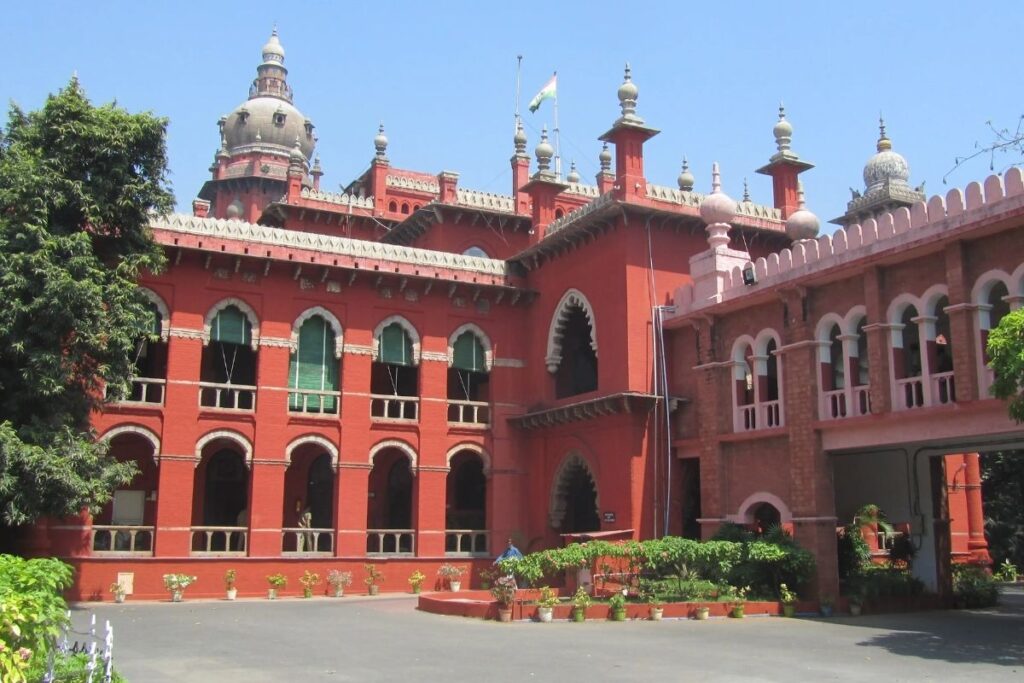
Following this complaint, the CBFC decided to refer the film to a revising committee. This led the producers to approach the Madras High Court urgently, arguing that the referral would unnecessarily delay the release.
On January 9, a single judge of the High Court directed the CBFC to clear the film in line with the examining committee’s recommendation. This order was stayed the same day by a Division Bench after the CBFC moved an urgent appeal.
The producers then approached the Supreme Court challenging the Division Bench’s stay order. Senior Advocate Mukul Rohatgi, appearing for the producers, argued that the delay caused severe financial loss and described films as a “perishable commodity.”
The Supreme Court, however, maintained that the appropriate forum to resolve the issue is the Madras High Court and dismissed the plea.
——————————————–
Have a case update, article, or deal to share? Courtroom Today welcomes contributions from lawyers, law firms, and legal professionals. Write to contact@courtroomtoday.com