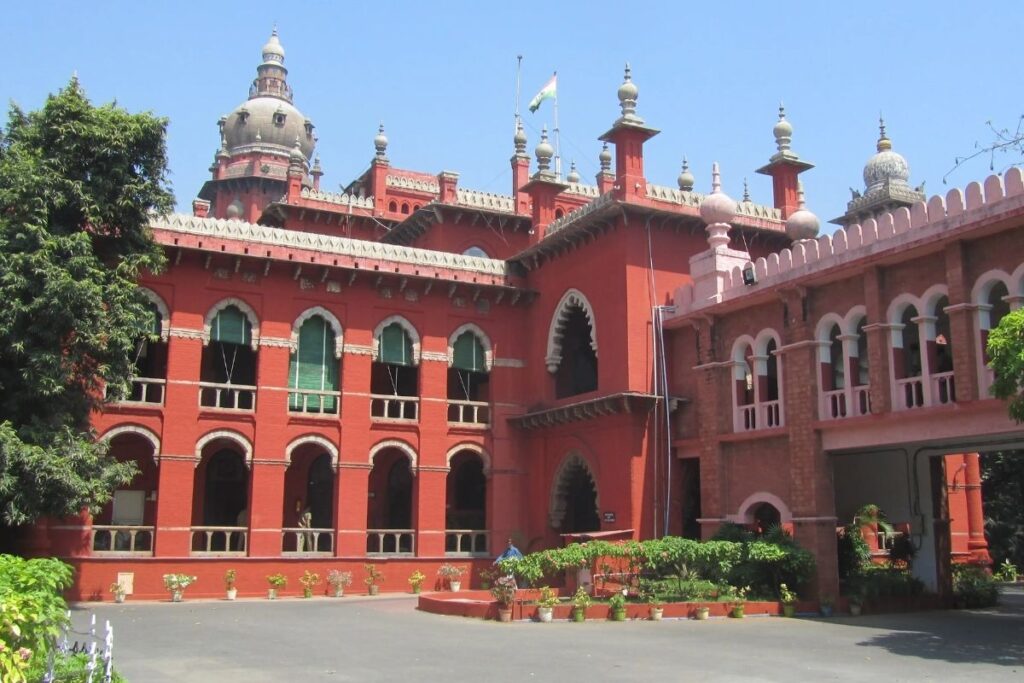
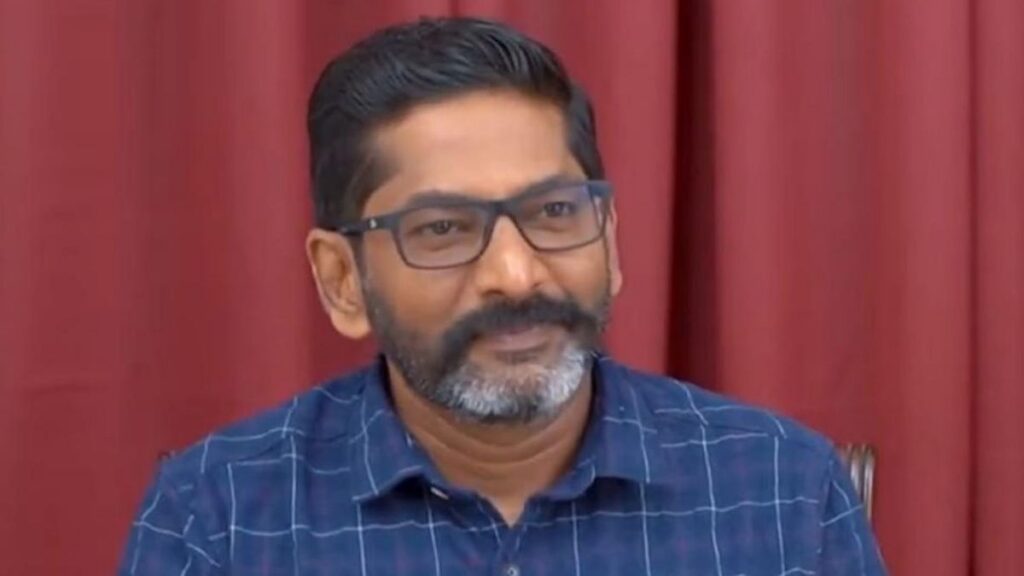
The Madras High Court has refused to cancel the interim bail granted to YouTuber-journalist Savukku Shankar, but has imposed stricter conditions to prevent any misuse of liberty during the investigation.
A Division Bench of Justices P Velmurugan and M Jothiraman observed that while the Court was not inclined to revoke bail at this stage, clearer and stronger restrictions were necessary to ensure that the ongoing investigation is not affected.
Under the revised conditions, Shankar has been completely barred from making any public comments, directly or indirectly, about any pending criminal case. This restriction applies to social media, electronic media, print platforms, and any other public forum. He has also been restrained from commenting on the complainant, investigating officers, or the manner in which the investigation is being conducted.
The Court further directed that Shankar must not contact or communicate with co-accused or witnesses, either personally or through third parties. Any attempt to influence, intimidate, or interfere with witnesses may lead to immediate cancellation of his interim bail.
His movement has now been strictly limited to medical treatment and legal consultations only.
In addition, the Court ordered the Dean of Rajiv Gandhi Government General Hospital, Chennai, to form a specialised medical board to assess Shankar’s health condition. He has been asked to appear before the board on February 2 at 8 am. The medical report is to be submitted to the Court in a sealed cover by March 3.
Shankar was granted interim bail in December 2025 on humanitarian grounds after the Court took note of his medical condition and concerns regarding repeated curtailment of his personal liberty through multiple criminal cases. The Court had earlier clarified that the bail did not reflect any opinion on the merits of the cases against him.
The State later sought cancellation of bail, alleging that Shankar violated earlier conditions by continuing to publish content related to the investigation.
The Court also made an important observation on journalistic responsibility, stressing that video journalists must follow high ethical standards, especially in the digital age where misinformation can seriously harm public trust.
——————————————–
Have a case update, article, or deal to share? Courtroom Today welcomes contributions from lawyers, law firms, and legal professionals. Write to contact@courtroomtoday.com