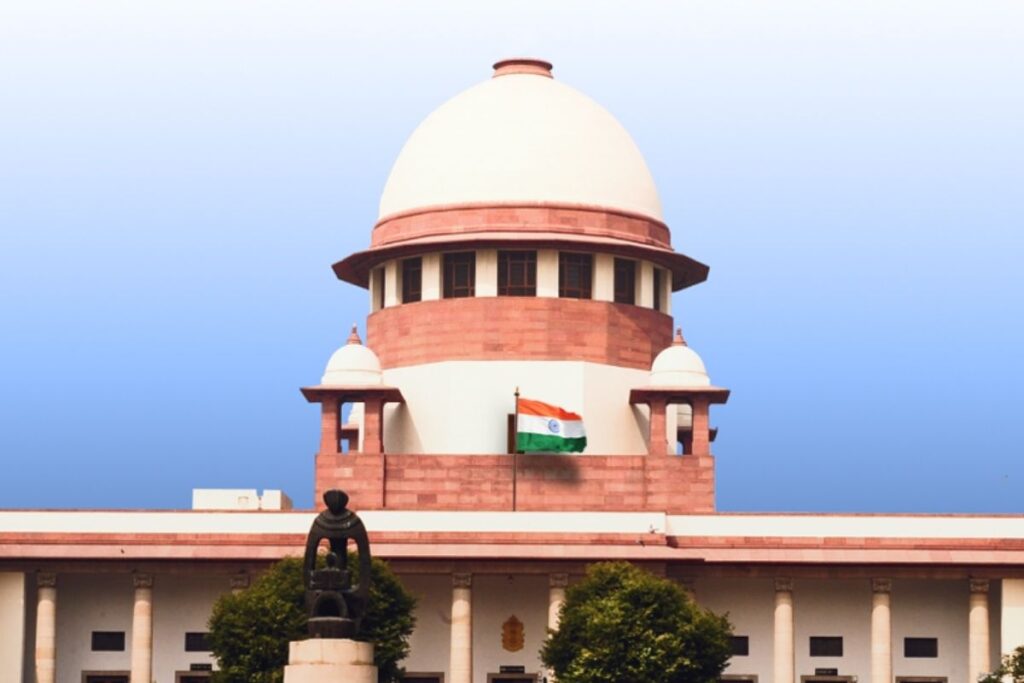
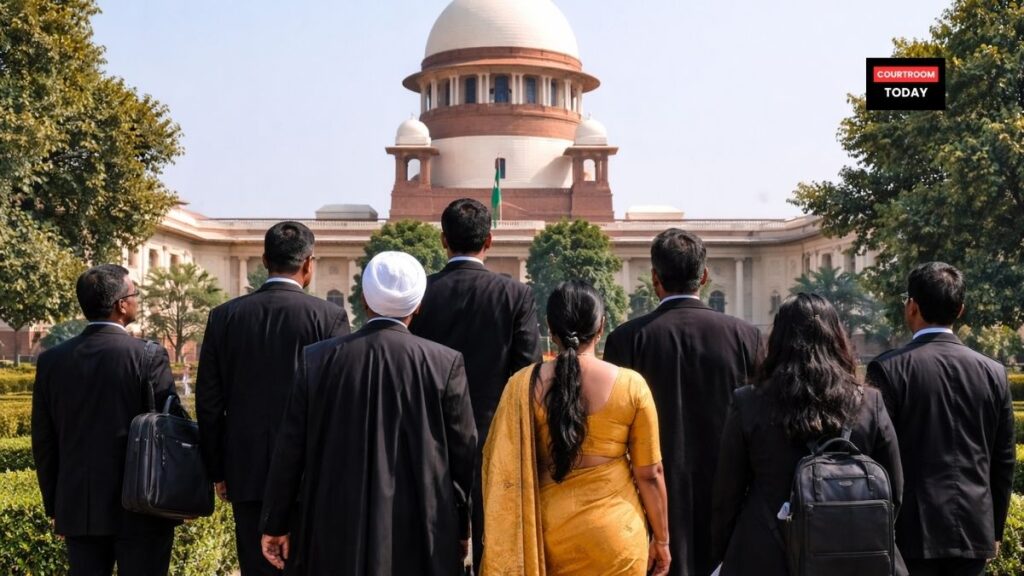
The Supreme Court has refused to issue directions for providing reservation to advocates from Scheduled Castes (SC) and Scheduled Tribes (ST) in elections to State Bar Councils and the Bar Council of India. The Court held that such reservation can be introduced only through an amendment to the Advocates Act, 1961, and not by judicial orders.
A Bench comprising Chief Justice Surya Kant, Justice Joymalya Bagchi and Justice Vipul Pancholi noted that both the Bar Council of India and the State Bar Council of Telangana had already informed the High Court that the issue is under active consideration by the competent authorities. In the absence of a specific legal provision, the Court said it cannot issue a writ directing reservation.
The case was filed by the Universal Dr. Ambedkar Advocates Association. The petition sought a declaration that the system of “proportional representation” under Section 3(2)(b) of the Advocates Act should include representation for SC, ST and other marginalised communities in Bar Councils. Alternatively, the petitioners requested interim reservation until suitable legislation is enacted.
Section 3(2)(b) provides for the election of State Bar Council members through proportional representation using a single transferable vote. It also fixes the number of elected members based on the strength of advocates on the electoral roll.
During arguments, the petitioner’s counsel referred to earlier Supreme Court decisions where measures were taken to improve representation for women lawyers and persons with disabilities. It was argued that similar steps, such as co-option or reduction in enrolment fees, could be considered for SC and ST advocates.
However, the Court observed that extending reservation would require a comprehensive legislative amendment by Parliament. It also noted that representation of women lawyers in Bar Councils was achieved through consensus within the legal fraternity, not by judicial mandate.
The Supreme Court clarified that the petitioners are free to approach the competent authorities for appropriate relief and that the Bar Council of India may examine alternative supportive measures, if deemed fit.
——————————————–
Have a case update, article, or deal to share? Courtroom Today welcomes contributions from lawyers, law firms, and legal professionals. Write to contact@courtroomtoday.com