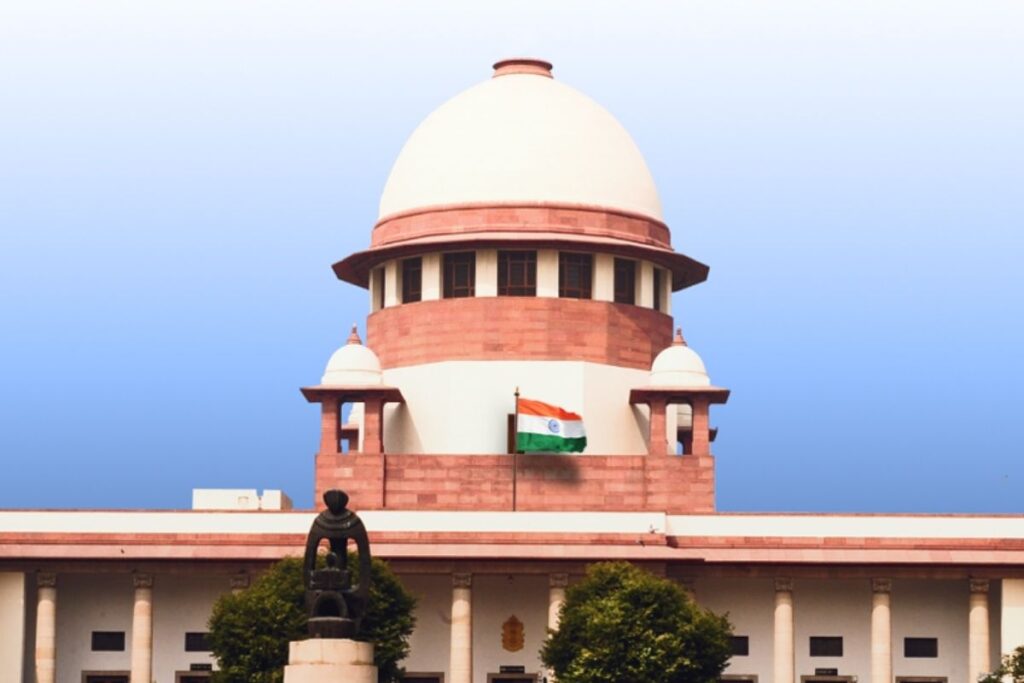

Chief Justice of India Surya Kant has cautioned that delays in judicial action do not just deny justice but completely destroy it. Speaking at the Fali Nariman Memorial Lecture, he stressed that timely intervention by High Courts is often the only real protection citizens have against misuse of executive power.
The CJI explained that for ordinary people, such as farmers facing land acquisition or students wrongly denied admission, justice must come at the first hearing itself. If courts fail to act quickly, the harm becomes irreversible.
He highlighted that High Courts play a crucial role as the first line of defence against illegal detention, administrative overreach, and violations of dignity. Their power to grant interim relief under Article 226 allows them to stop wrongful executive actions before irreversible damage is done.
Justice Kant clarified that High Courts are not meant to function merely as stepping stones to the Supreme Court. Instead, they are independent constitutional courts designed to provide immediate and effective remedies to citizens.
Referring to India’s colonial past, he noted that the Constitution was framed to ensure that citizens would never again be left helpless against the State. Article 226, he said, was created to ensure that rights are not just declared but are practically enforceable.
He also explained the difference between Articles 32 and 226, stating that while the Supreme Court has the final word, High Courts often have the most impactful one, as they are closest to the people.
Justice Kant emphasised that High Courts frequently hear the first cries of injustice, including cases involving illegal detention, environmental harm, and administrative failure. This role expanded further with public interest litigation, which gave voice to the marginalised.
He added that courts must now adapt to technological changes and treat virtual hearings as a permanent tool to improve access to justice. At the same time, he called for simpler procedures, disciplined advocacy, and focused adjudication to make justice more accessible.
Concluding his address, Justice Kant paid tribute to Fali Nariman, describing him as a guardian of constitutional values who believed that the Constitution is a living document that requires constant vigilance.
——————————————–
Have a case update, article, or deal to share? Courtroom Today welcomes contributions from lawyers, law firms, and legal professionals. Write to contact@courtroomtoday.com