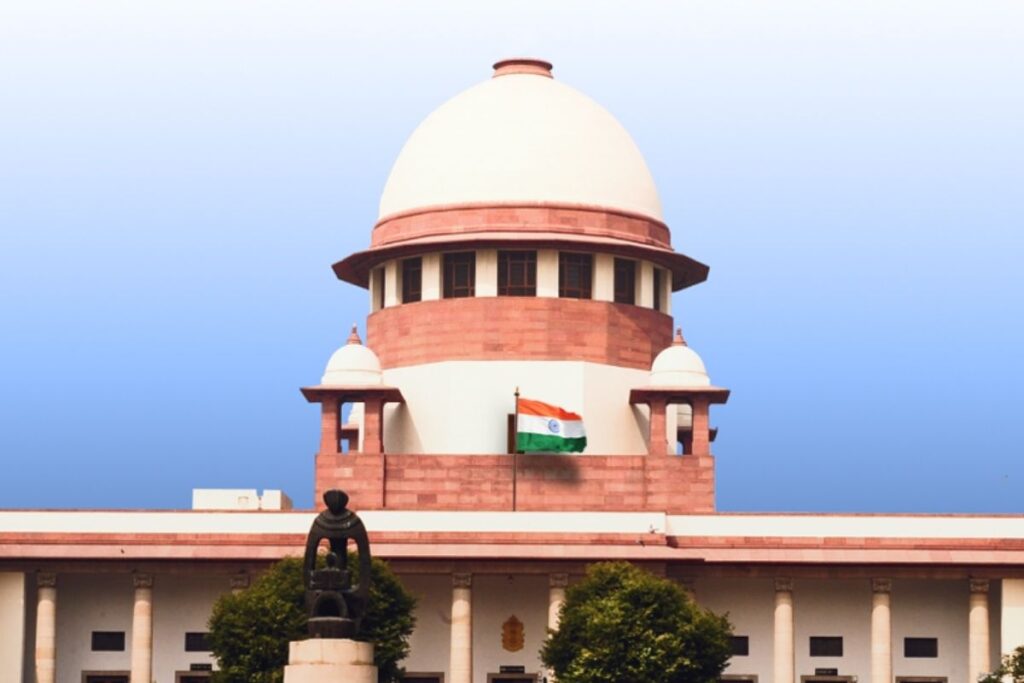
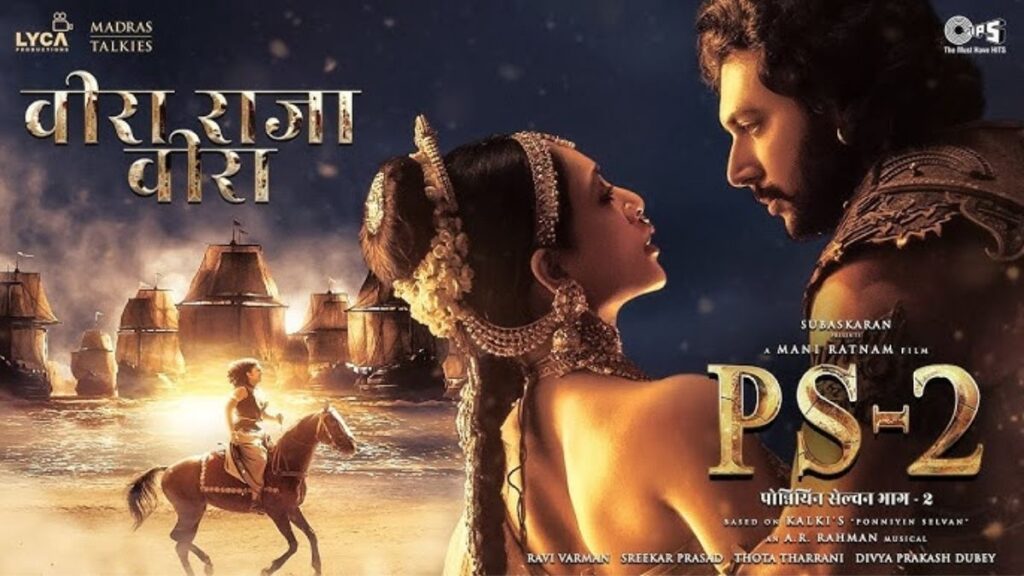
Dhrupad vocalist Faiyaz Wasifuddin Dagar has approached the Supreme Court of India in a copyright dispute involving the song Veera Raja Veera from the film Ponniyin Selvan II, composed by A R Rahman.
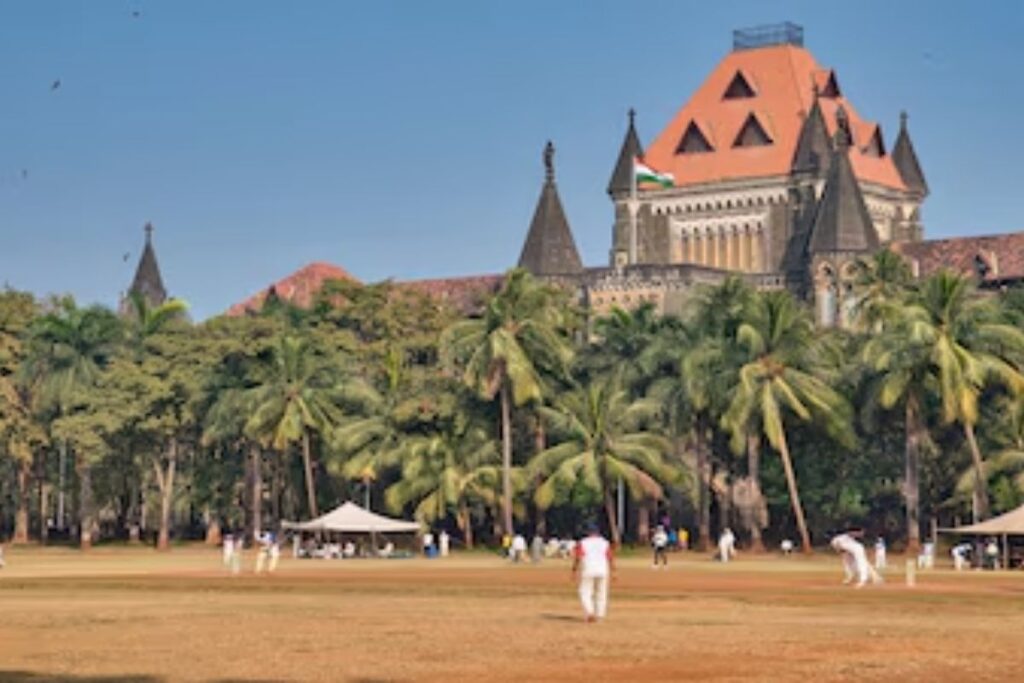
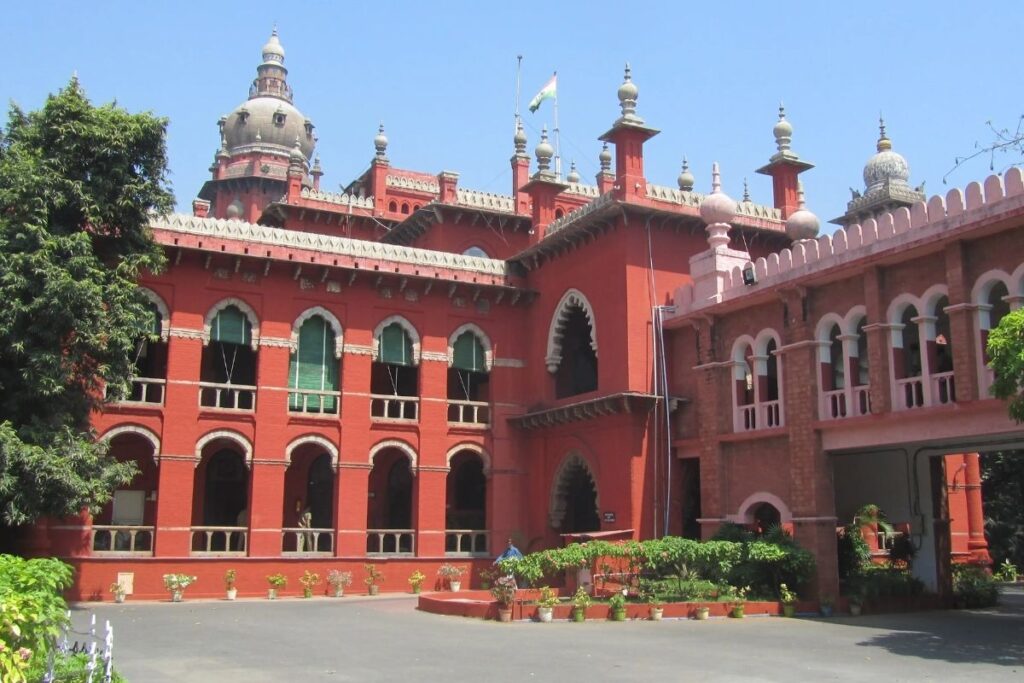
The appeal challenges a September 2025 order of a Division Bench of the Delhi High Court, which set aside an earlier interim relief granted to Dagar by a single judge. The Supreme Court Bench led by Chief Justice of India Surya Kant has adjourned the matter to February 13.
Dagar claims that Veera Raja Veera is musically derived from Shiva Stuti, a Dhrupad composition created by his late father and uncle, Faiyazuddin Dagar and Zahiruddin Dagar, popularly known as the Junior Dagar Brothers. According to him, while the lyrics differ, the taal, rhythm, and overall musical structure are substantially the same. He also points out that Shiva Stuti was performed internationally and released through PAN Records.
Rahman has denied these allegations, arguing that Shiva Stuti is part of the traditional Dhrupad repertoire and belongs to the public domain. He has maintained that Veera Raja Veera is an original composition, developed using Western musical principles with multiple layers that go beyond classical Hindustani frameworks.
In April 2025, a single judge of the High Court found a prima facie case of infringement. The judge directed that the song should also credit the Junior Dagar Brothers and ordered a ₹2 crore deposit by Rahman and the producers during the pendency of the suit.
However, the Division Bench later overturned this order, holding that Dagar failed to establish clear authorship or originality at the interim stage. It observed that the composition drew from the broader Dhrupad and Dagarvani tradition and could not be exclusively attributed to the Junior Dagar Brothers.
Before the Supreme Court, Dagar has argued that the Division Bench overstepped its limited appellate role while interfering with an interim injunction. He has also stressed that Indian copyright law does not require musical works to be written down, and that sound recordings are sufficient proof of fixation and authorship.
The plea further challenges the High Court’s reading of Section 55(2) of the Copyright Act, stating that it only creates a rebuttable presumption of authorship and does not defeat claims where the author’s name is absent. Dagar has also alleged that the High Court wrongly applied standards similar to patent law, instead of the settled test of originality under copyright law, and failed to properly examine moral rights under Section 57.
——————————————–
Have a case update, article, or deal to share? Courtroom Today welcomes contributions from lawyers, law firms, and legal professionals. Write to contact@courtroomtoday.com