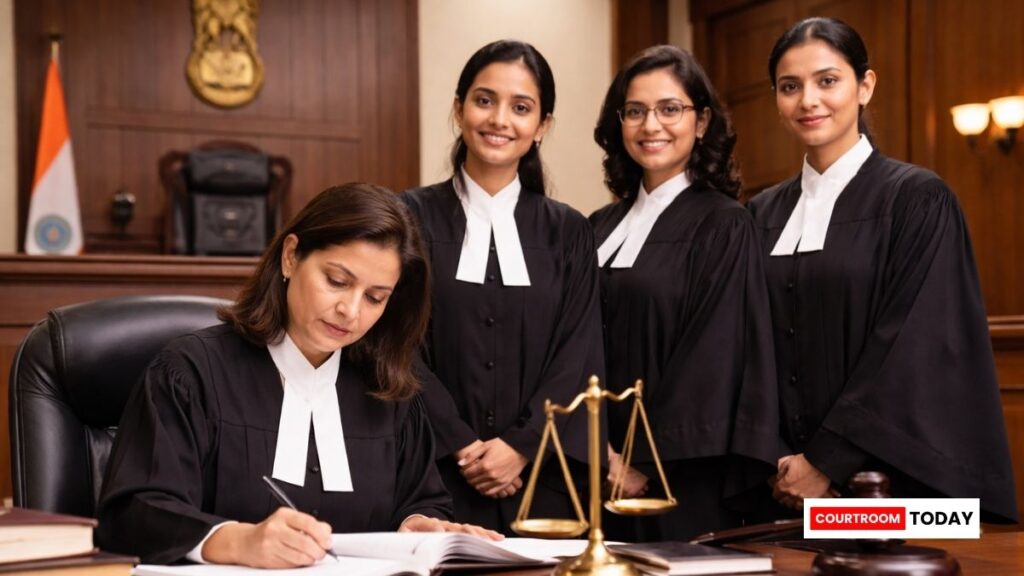
Women continue to remain significantly underrepresented in India’s higher judiciary, with their presence in High Courts forming only a small portion of the overall judicial strength.
According to data released by the Ministry of Law and Justice on February 6, 2026, only 116 out of 781 sitting High Court judges across the country are women. This means that women account for approximately 14.85 percent of the total working strength in High Courts.
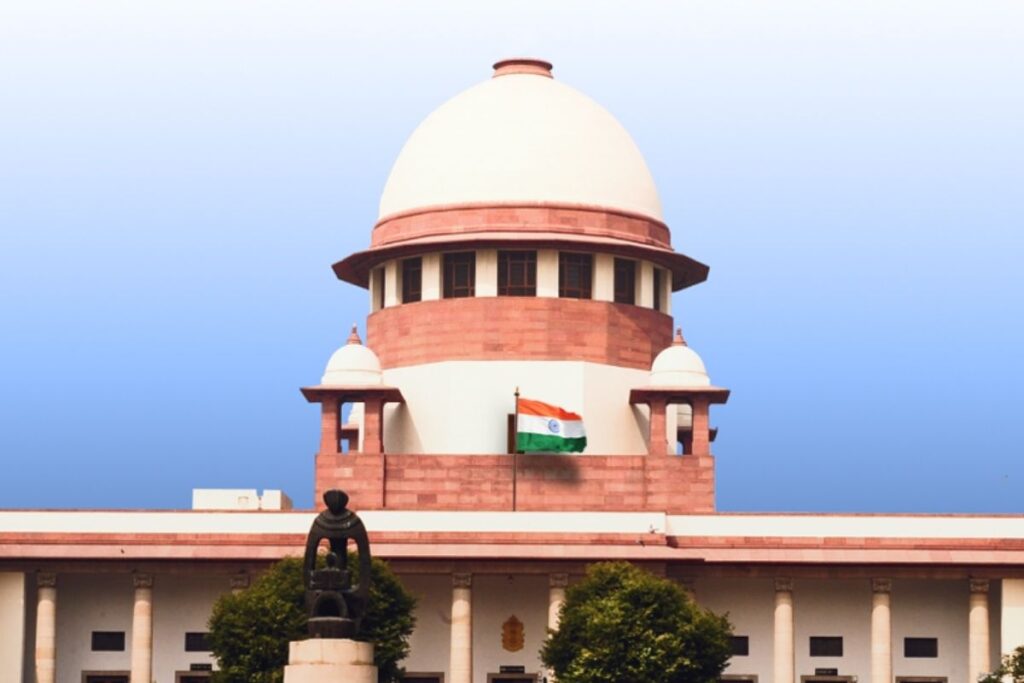
The situation is also reflected in the Supreme Court, where representation remains extremely limited. At present, Justice B.V. Nagarathna is the only woman judge among the Court’s working strength of 33 judges.
The last time women were elevated to the Supreme Court was in September 2021, when Justices Hima Kohli, Bela Trivedi, and B.V. Nagarathna were appointed together. Over time, as the other two judges retired, Justice Nagarathna remained the sole woman currently serving on the Bench.
Historically, the highest number of women judges in the Supreme Court at the same time has been four. This brief milestone occurred after the appointments made in September 2021.
On the occasion of International Women’s Day, Chief Justice of India Surya Kant also highlighted the need for improving gender representation in the judiciary. He noted that while representation remains limited in the higher judiciary, the district judiciary shows comparatively better numbers.
According to the Chief Justice, women currently make up nearly 37 percent of the district judiciary, reflecting stronger participation at the grassroots level of the judicial system.
Among the High Courts, the Punjab and Haryana High Court currently has the highest number of women judges. It has 18 women judges out of a working strength of 61, which accounts for nearly 29.51 percent of its Bench.
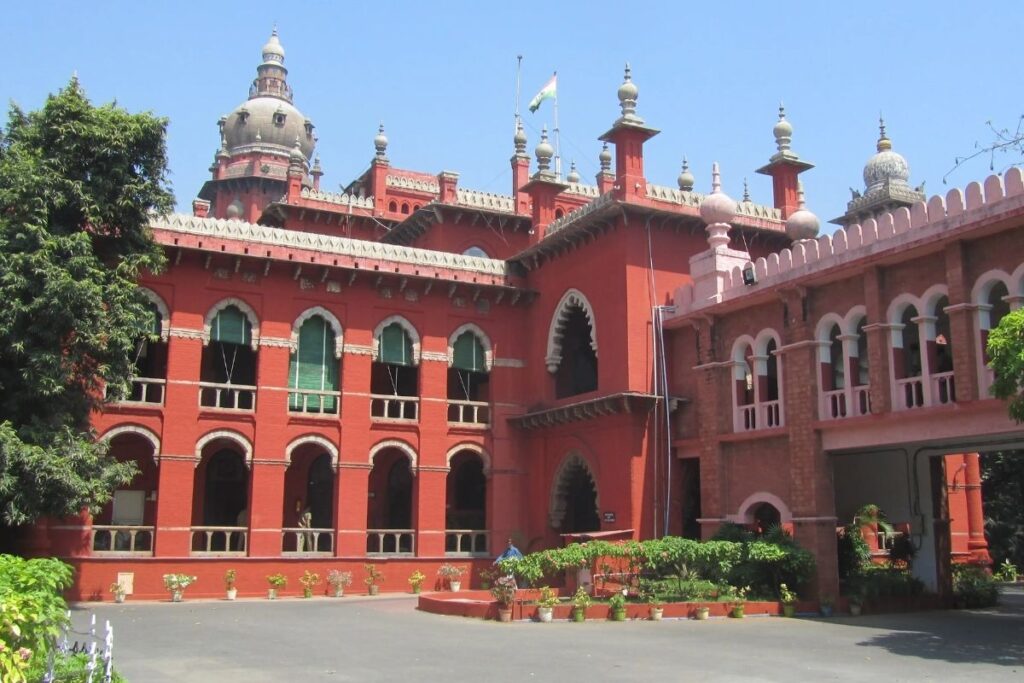
The Delhi High Court and Madras High Court also show relatively better representation, with 10 women judges each. Their respective percentages stand at approximately 22.73 percent and 18.87 percent.
Other High Courts that have comparatively stronger representation include Karnataka with nine women judges, Calcutta with eight, Gujarat with seven, and Telangana with seven women judges on the Bench.
Among smaller High Courts, the Sikkim High Court records the highest proportion, with one woman judge out of three judges, translating to around 33.33 percent representation.
However, several High Courts continue to have very low representation of women judges. The Madhya Pradesh High Court has only one woman judge out of a working strength of 42, which is among the lowest ratios in the country.
The Allahabad High Court, the largest High Court in India with a strength of 110 judges, has only seven women judges. This amounts to just 6.36 percent of its Bench.
Similarly, Kerala, Jharkhand, Chhattisgarh, Patna, and Orissa High Courts also record relatively low percentages of women judges.
Some High Courts currently have no women judges at all. These include the High Courts of Manipur, Tripura, and Uttarakhand, where the present working strength does not include any woman judge.
The data highlights the continuing gap in gender representation within India’s higher judiciary. While progress has been made in certain courts and at the district level, significant efforts remain necessary to ensure more balanced representation on the Bench.
——————————————–
Have a case update, article, or deal to share? Courtroom Today welcomes contributions from lawyers, law firms, and legal professionals. Write to contact@courtroomtoday.com