
In January 2026, when Justice Sujoy Paul took oath as the Chief Justice of the Calcutta High Court, many observers noticed something unusual — he was dressed in a bright red ceremonial robe and wearing a traditional white judicial wig. The colonial-era attire immediately drew attention because such dress has largely disappeared from most courts in India.
The same attire again became a topic of discussion in March 2026 when Chief Justice Paul administered the oath of office to RN Ravi as the Governor of West Bengal while wearing the same scarlet robe and wig.
The appearance of this ceremonial outfit highlighted an old judicial tradition that has survived at the Calcutta High Court but has largely faded elsewhere in India.
Colonial Origins of the Tradition
The practice of wearing wigs and scarlet robes in certain Indian courts can be traced back to the British colonial period.
In 1861, the High Courts Act empowered Queen Victoria to establish High Courts in Calcutta, Bombay and Madras through Letters Patent. These courts replaced the earlier British Supreme Courts and Sadar Adalats functioning in colonial India.
Because these courts were created under a Royal Charter, their traditions closely mirrored those followed in British courts. As a result, the ceremonial dress of judges — including robes and wigs — was directly borrowed from the British legal system.
The British Judicial Dress Tradition
In the courts of England and Wales, judges traditionally wore furred scarlet robes along with full-bottomed wigs on ceremonial occasions.
The wig itself has an interesting history. Known as the “peruk,” it became fashionable in European courts during the 17th century. King Charles II is credited with popularising the wig in English courts after adopting the fashion from France.
Originally, wigs served both practical and symbolic purposes. They were considered a mark of status and authority, and they also conveniently concealed hair loss — a common concern among elite men of the time.
The scarlet robe, however, is even older. Historical records indicate that judges of the Queen’s Bench were wearing scarlet robes as early as the 15th century, especially during criminal proceedings and formal ceremonies. Black robes, on the other hand, were typically reserved for routine civil matters.
Beyond fashion, the attire had a deeper symbolic meaning. The formal dress helped create a separation between the judge as an individual and the judge as a public office holder.
Evolution of Wig Usage
Over time, the use of wigs evolved within the British legal system. Two main types of wigs became common:
- Full-bottomed wigs, worn primarily on ceremonial occasions.
- Shorter bench wigs, used in regular criminal court proceedings.
However, reforms introduced in England and Wales during 2007–2008 significantly reduced the use of wigs in courts. Today, wigs are no longer used in most civil and family courts, though they remain mandatory in certain criminal proceedings in the Crown Court.
How the Practice Came to India
When the British established courts in India, they also transplanted their courtroom customs. Judges and lawyers in colonial courts began wearing the same robes, wigs and neck bands used by their counterparts in London.
Even after India gained independence in 1947, many elements of the colonial legal framework continued. Courtroom attire was one such aspect that remained largely unchanged for decades.
Senior Advocate Sanjoy Ghose has noted that wigs, gowns and bands became deeply embedded in the Indian legal culture during the colonial period. According to him, these symbols were used to denote hierarchy, authority and professional status within the legal system.
However, the social and cultural context that originally gave rise to these traditions has largely disappeared.
Why Calcutta High Court Still Follows the Tradition
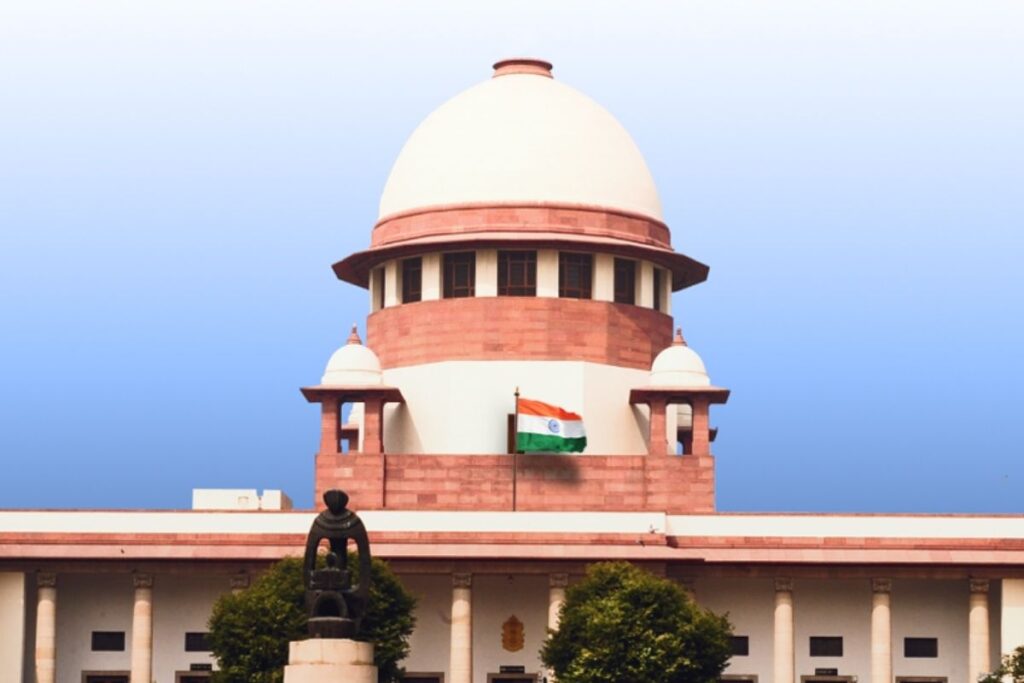
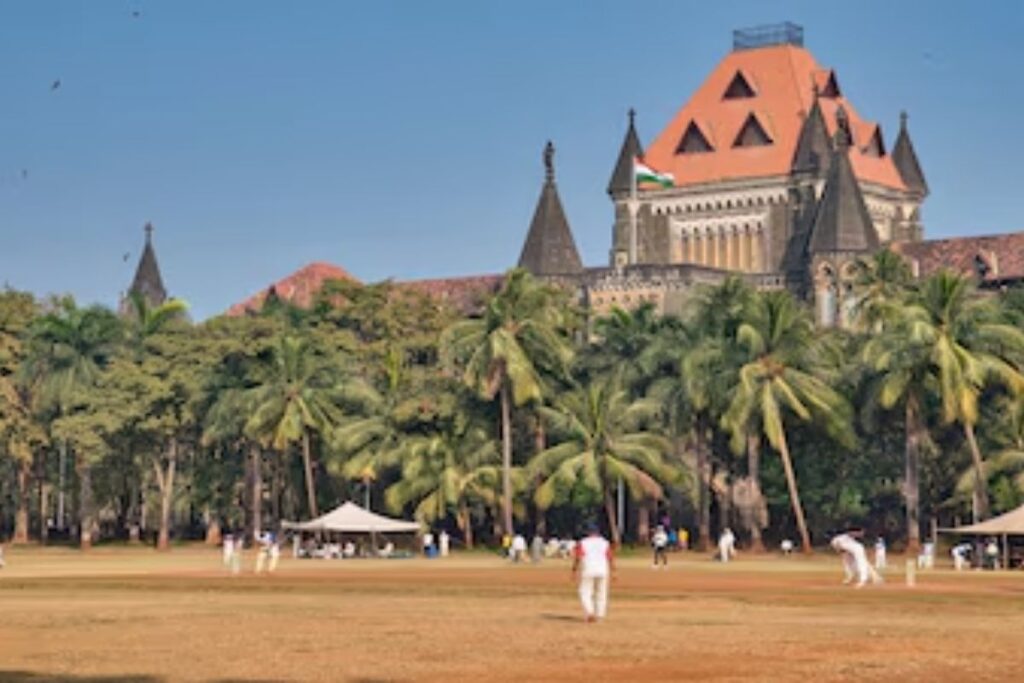
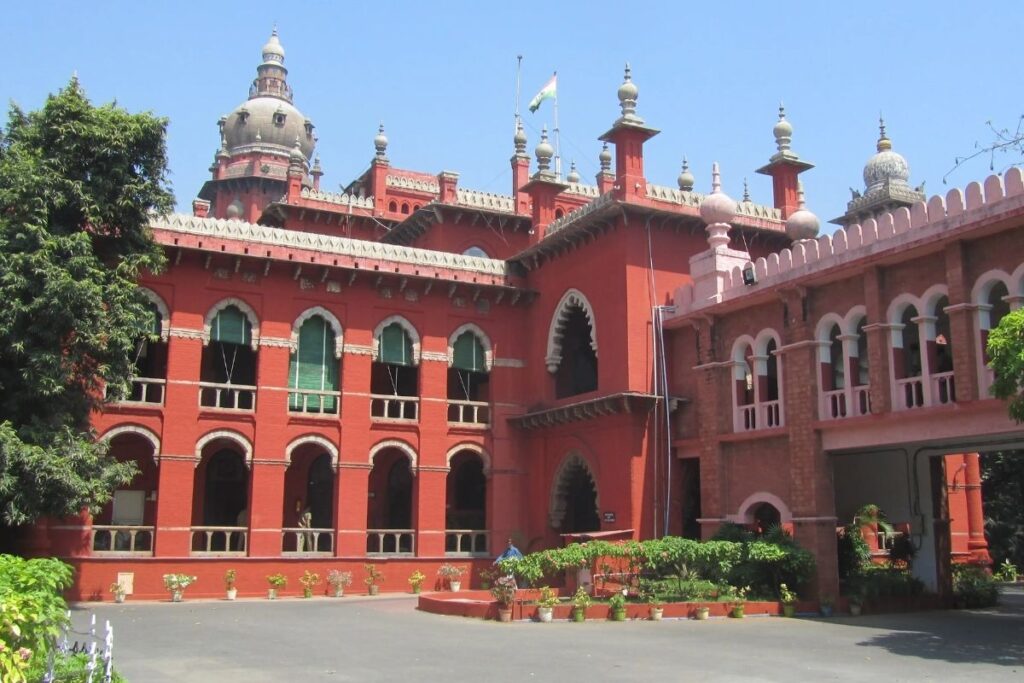
Although the three chartered High Courts — Calcutta, Bombay and Madras — historically followed similar ceremonial traditions, the use of wigs has gradually faded in most places.
In recent years, many Chief Justices of the Bombay High Court and Madras High Court have discontinued the use of wigs during ceremonial occasions.
The Calcutta High Court, however, has continued to preserve the complete colonial attire. As a result, its Chief Justices still wear the scarlet robe and ceremonial wig during important events such as oath-taking ceremonies.
This makes the Calcutta High Court one of the few constitutional courts in India where the colonial judicial dress tradition survives in its original form.
A Symbol of Tradition or Colonial Legacy?
The continued use of wigs at the Calcutta High Court has sparked debate among legal observers.
Some view it as an important historical tradition that reflects the court’s long institutional heritage. Others see it as a colonial remnant that no longer fits within the modern Indian legal system.
Regardless of the debate, the sight of a Chief Justice wearing the scarlet robe and white wig remains a rare reminder of how deeply the British legal system once shaped India’s judiciary.
As most courts move away from such practices, the Calcutta High Court’s adherence to this tradition continues to stand out as a unique link to the country’s colonial legal past.
——————————————–
Have a case update, article, or deal to share? Courtroom Today welcomes contributions from lawyers, law firms, and legal professionals. Write to contact@courtroomtoday.com