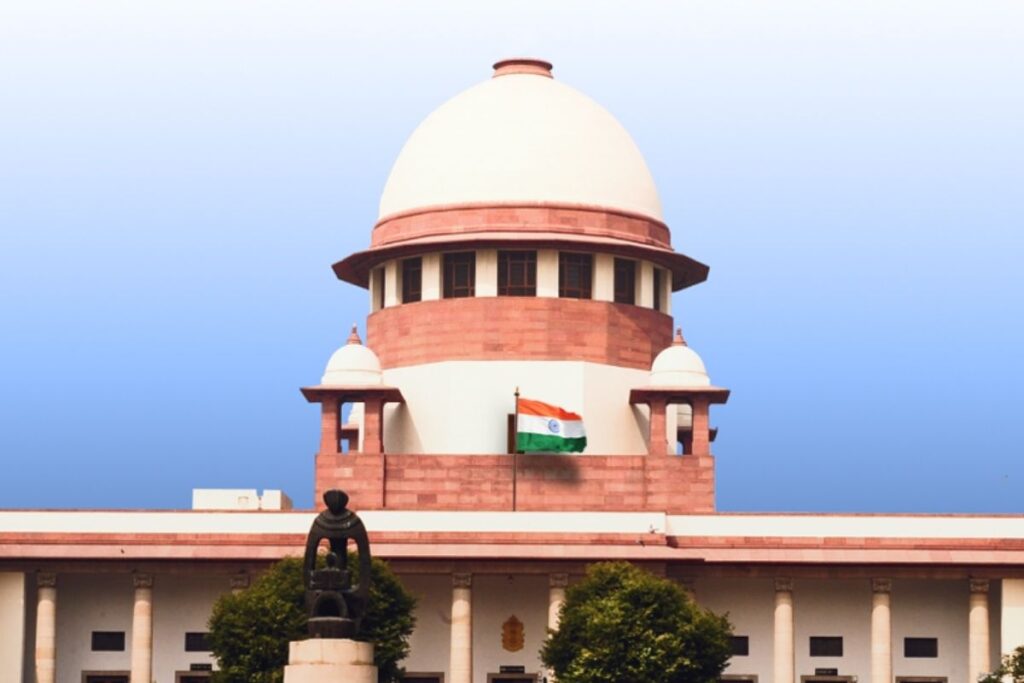

The Supreme Court in Elvish Yadav @ Siddharth v State has quashed criminal proceedings against YouTuber Elvish Yadav in a case linked to alleged rave parties involving snake venom. The case had raised serious questions on the applicability of the NDPS Act and Wildlife Protection law.
The matter arose from allegations that Yadav organised parties where foreign nationals were invited and snake venom was allegedly used as a recreational substance. Criminal proceedings were initiated under the Narcotic Drugs and Psychotropic Substances Act and the Wildlife (Protection) Act.
A Bench of Justice MM Sundresh and Justice NK Singh examined whether the provisions invoked were legally sustainable. The Court noted that even if the allegations were accepted, the NDPS Act could not apply in this case.
The Court clarified that snake venom does not fall within the definition of “psychotropic substances” under the NDPS Act. It observed, “Insofar as the issue pertaining to Section 2(23) of NDPA Act is concerned, admittedly what is recovered from the co-accused cannot come within the purview of psychotropic substances found in the schedule (of the Act).”
This finding became central to the judgement, as it directly removed the foundation of the NDPS charges against Yadav. Without classification under the Act’s schedule, prosecution under NDPS could not be sustained.
The Court also examined the application of the Wildlife (Protection) Act. It held that proceedings under this law require a complaint by an authorised officer, as mandated under Section 55 of the Act.
Highlighting this procedural requirement, the Bench stated, “We find that Section 55 of the Act requires a complaint by an authorised authority.” Since no such complaint had been filed in this case, the Court found the proceedings legally flawed.
Based on these findings, the Supreme Court quashed the case against Yadav. However, it did not completely close the door on potential action under wildlife law.
The Court granted liberty to the competent authority to initiate fresh proceedings in accordance with the law. It clarified, “We do not wish to leave the issue at this stage, particularly when we have not gone into the allegations on facts. We grant liberty to the competent authority to press into service Section 55 of the Wildlife Act.”
The case had earlier been examined by the Allahabad High Court, which had refused to quash the proceedings. The High Court had emphasised that popularity cannot be a ground for legal protection and that all individuals are equal before the law.
Following this, Yadav approached the Supreme Court, challenging both the legal basis and procedural validity of the charges. The apex court’s judgement now brings clarity on the limits of NDPS applicability in such cases.
This ruling is significant as it reinforces strict interpretation of penal statutes and highlights the importance of procedural compliance before initiating criminal prosecution.
——————————————–
Have a case update, article, or deal to share? Courtroom Today welcomes contributions from lawyers, law firms, and legal professionals. Write to contact@courtroomtoday.com