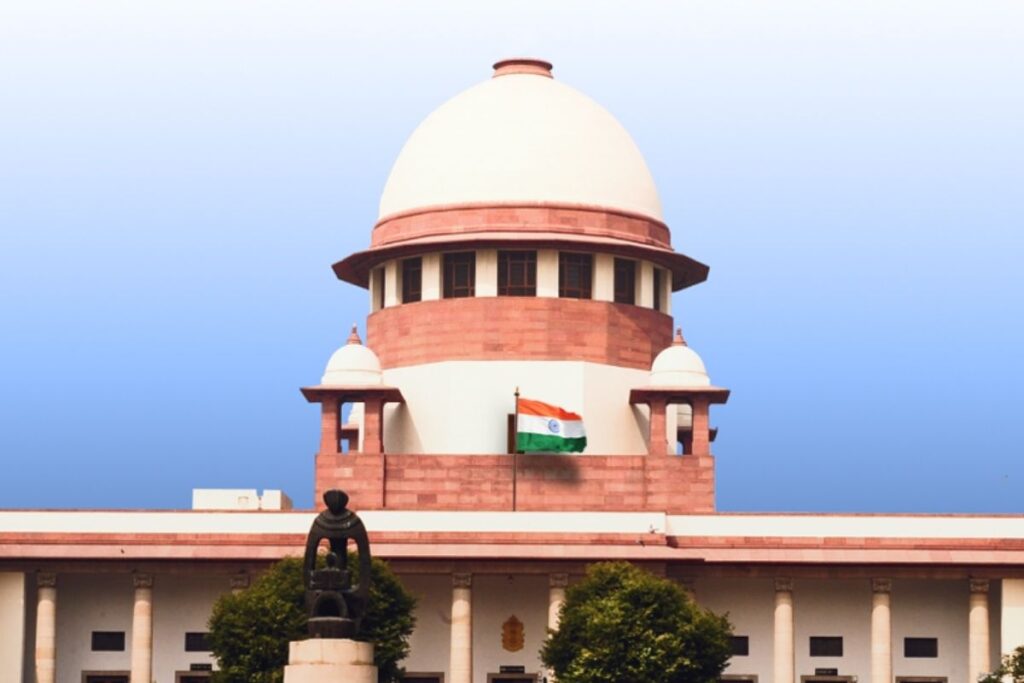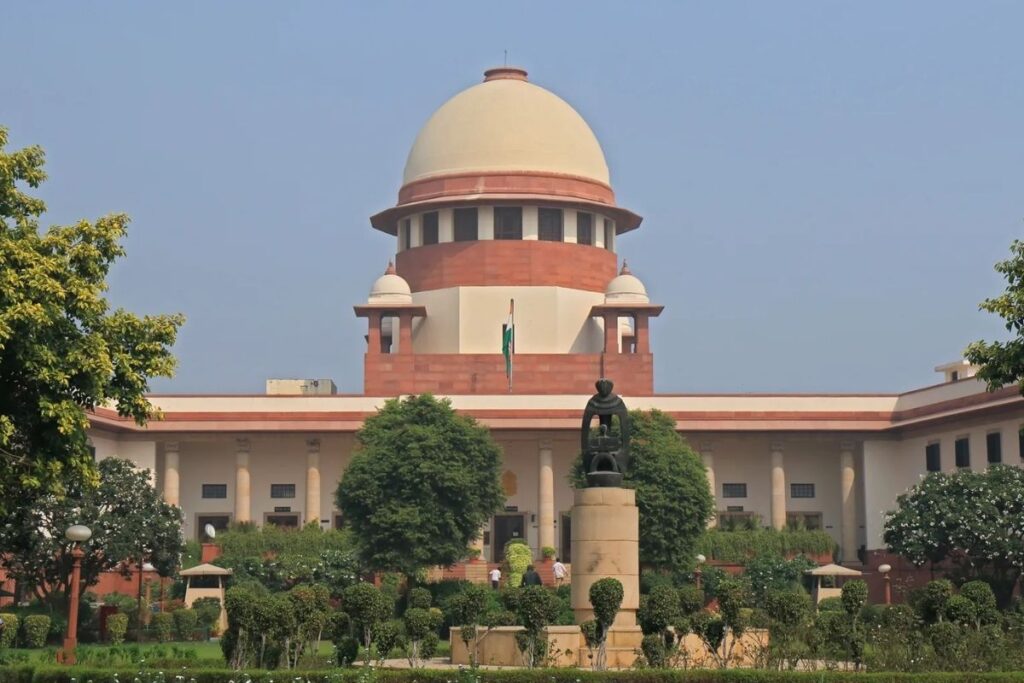

The Supreme Court, while hearing a Public Interest Litigation, raised serious concerns over the growing trend of police officers uploading videos and images of accused persons on social media. Referring to issues highlighted in Sahara v SEBI (2012), the Court stressed that such practices can undermine the fairness of criminal trials.
The Bench comprising Chief Justice of India Surya Kant and Justices Joymalya Bagchi and Vipul M Pancholi observed that uncontrolled circulation of such content can influence public perception. This, in turn, risks prejudicing the outcome of ongoing criminal proceedings.
The PIL brought attention to instances where accused individuals were shown in degrading conditions. These included visuals of persons being handcuffed, tied with ropes, paraded publicly, or forced to kneel. It was argued that such acts not only violate personal dignity but also contribute to public bias.
The Court acknowledged that earlier directions had already been issued to states to frame guidelines for police briefings. These guidelines are expected to include rules governing social media conduct. However, the Bench noted that the issue extends beyond police actions alone.
Justice Bagchi pointed out that while police can be regulated through standard operating procedures, controlling the broader ecosystem of media, especially social media, remains a challenge. The Court recognised that every individual with a smartphone can now act as a content creator, amplifying the risk of misinformation and bias.
The Bench emphasised that in a criminal justice system, the investigating agency must remain neutral. It cannot appear to be either pro-victim or pro-accused. Any communication that creates a perception of bias can compromise the integrity of the investigation and trial.
The Court also discussed the concept of “media trial,” where narratives created by media or online platforms influence public opinion before a judicial determination. Such trends, the Court noted, can erode the rule of law and affect the presumption of innocence.
Solicitor General Tushar Mehta highlighted the role of certain online platforms, describing them as entities that engage in coercive or exploitative practices. The Court further remarked on the fragmented and uncontrolled nature of social media, calling it an “atomised” space.
Recognising the complexity of the issue, the Court suggested that a broader and more comprehensive framework is required. It advised the petitioner to withdraw the current plea and refile it with an expanded scope after the implementation of police guidelines.
The petitioner agreed to this suggestion, indicating that the matter would be revisited with a wider perspective. The Court’s observations underline the urgent need to balance freedom of expression with the right to a fair trial in the digital age.
——————————————–
Have a case update, article, or deal to share? Courtroom Today welcomes contributions from lawyers, law firms, and legal professionals. Write to contact@courtroomtoday.com