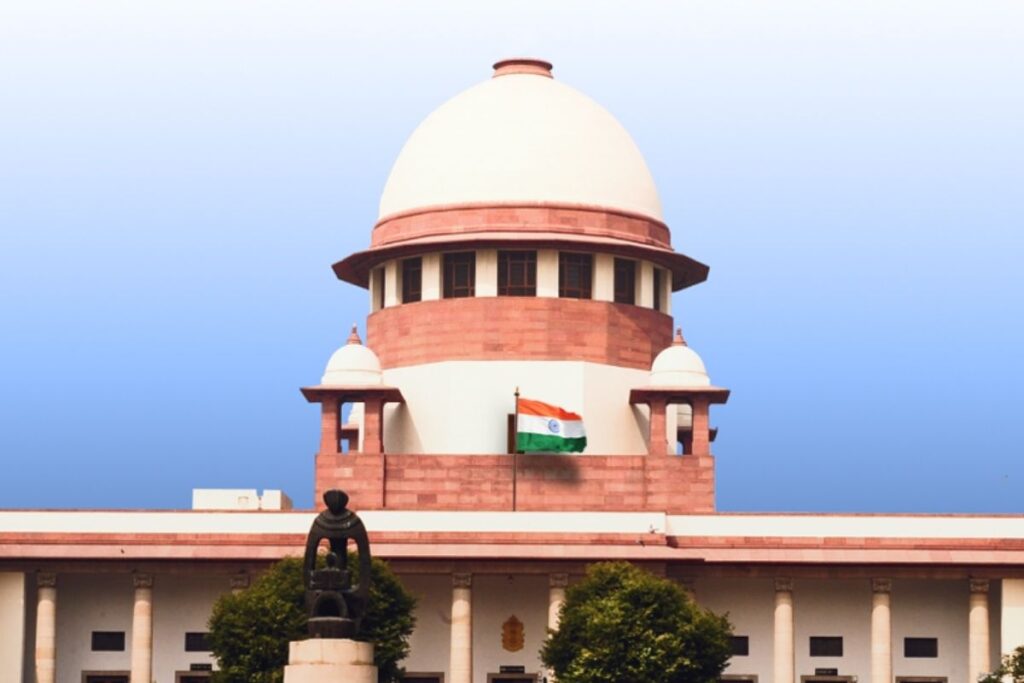
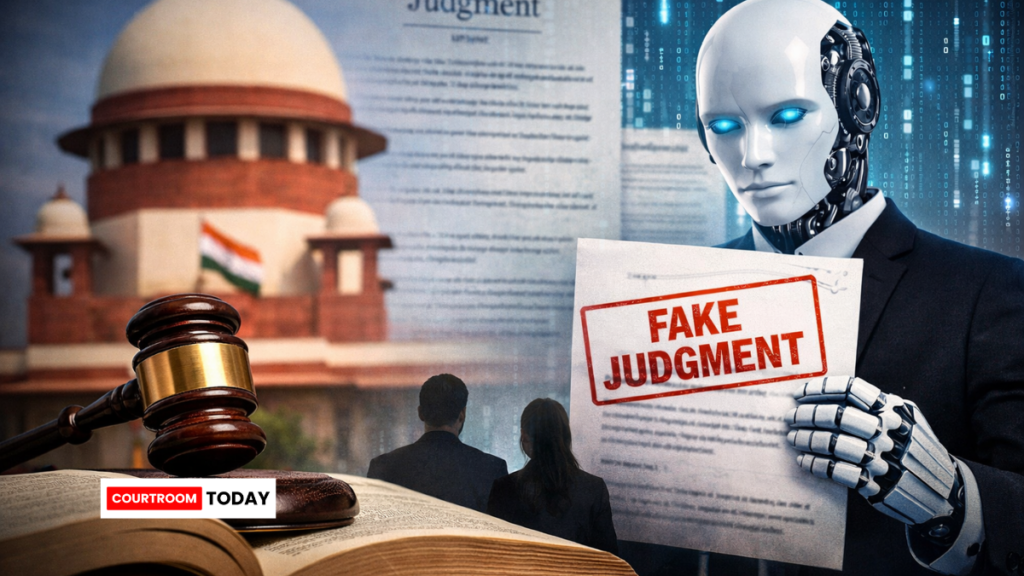
In Heart & Soul Entertainment Ltd v Deepak s/o Shivkumar Bahry, the Supreme Court recently raised serious concerns over a growing issue in modern litigation—the use of Artificial Intelligence to generate and cite non-existent judgments in court proceedings.
A Bench of Justices Rajesh Bindal and Vijay Bishnoi observed that this problem is no longer isolated. It is becoming increasingly common across courts, not only in India but globally. The Court warned that such practices can mislead judicial proceedings and must be handled with caution.
The matter came before the Court in a plea filed by a company director. The petitioner sought removal of certain adverse remarks made by the Bombay High Court. These remarks were linked to written submissions that allegedly cited a judgment that did not exist.
The High Court had observed that the submissions appeared to be generated using an AI tool. It further noted that reliance had been placed on a non-existent judgment, raising concerns about the authenticity and reliability of such submissions in legal proceedings.
Challenging these remarks, the petitioner approached the Supreme Court and argued that he had never cited the alleged judgment. However, the Court chose not to examine this specific factual dispute at that stage.
“Though he tried to explain that he never cited that judgment, however, at present we are not going into that issue,” the Supreme Court stated, indicating that the immediate focus was not on determining the correctness of the allegation.
Despite this, the Court showed some leniency and agreed to remove the contentious observations made by the High Court. It clarified that this was being done as a matter of indulgence rather than on a conclusive finding regarding the submissions.
“At present, we expunge the remarks made in the aforesaid paragraph. However, the fact remains that this menace is rampant in all courts now, not only in India but throughout the world. Everyone needs to be careful about this,” the Court observed.
The Bench also noted that the issue of AI-generated content in legal proceedings is already under consideration on the judicial side. This suggests that broader guidelines or interventions may emerge in the future to address such concerns.
The case highlights a critical challenge for the legal system in the digital age. While AI tools offer efficiency, their misuse—especially in generating inaccurate or fabricated legal references—can undermine the integrity of judicial processes.
As courts increasingly confront such issues, the responsibility lies on lawyers and litigants to ensure accuracy, authenticity, and due diligence in all submissions made before the judiciary.
——————————————–
Have a case update, article, or deal to share? Courtroom Today welcomes contributions from lawyers, law firms, and legal professionals. Write to contact@courtroomtoday.com