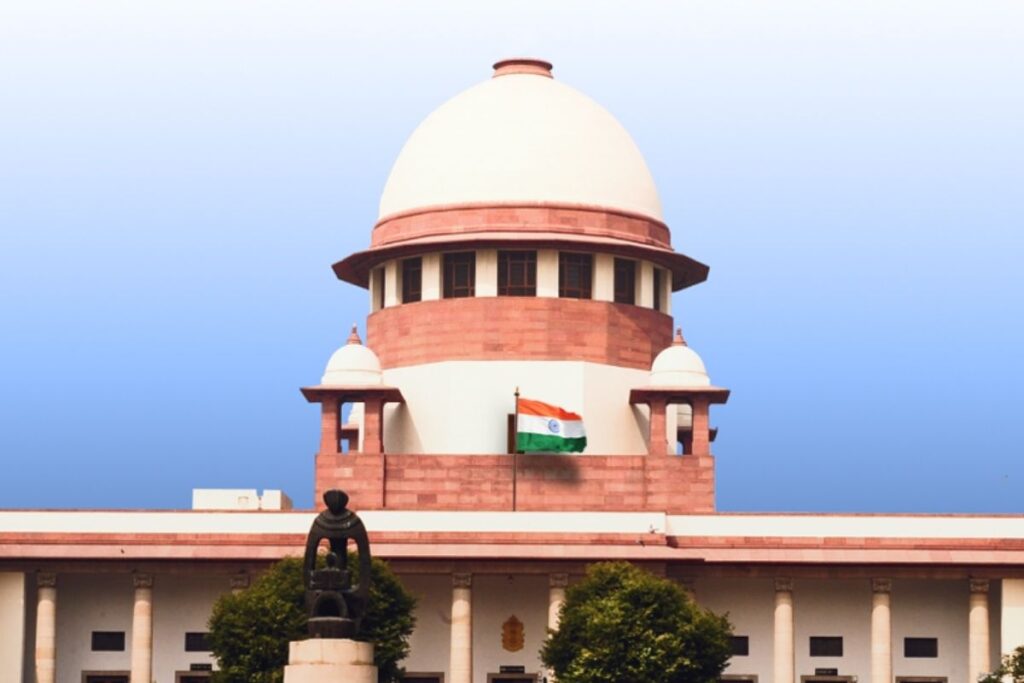
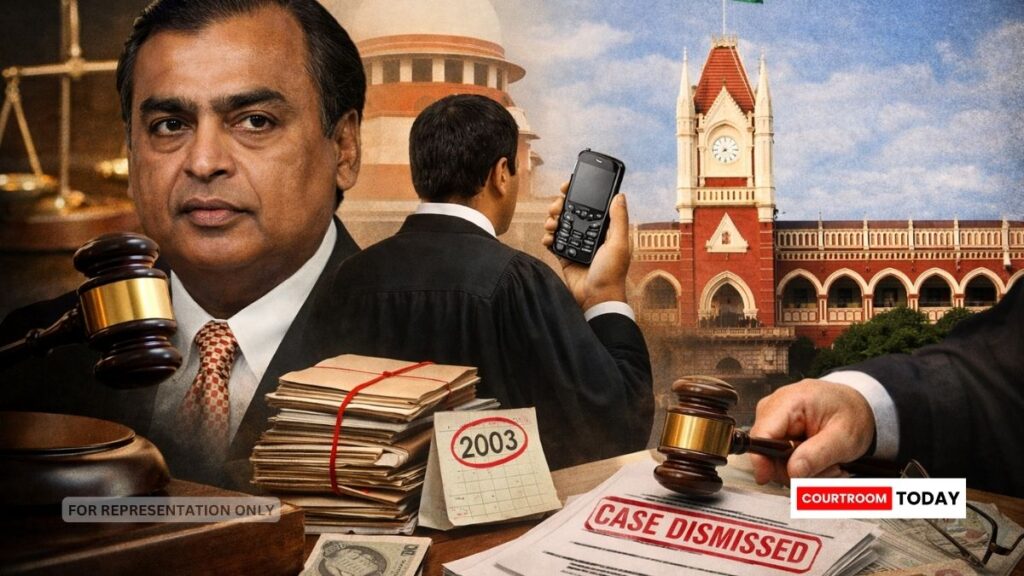
The Orissa High Court in Reliance Industries Ltd. & Anr. v. Prafulla Kumar Mishra has quashed a criminal complaint filed against Mukesh Ambani and Reliance Industries Limited, calling it a “publicity driven exercise.” The case arose from allegations relating to a defective mobile handset supplied in 2003.
The Bench of Justice Sanjeeb Kumar Panigrahi held that the complaint was a clear misuse of judicial process. It observed, “The arraigning of Shri Mukesh Dhirubhai Ambani in a complaint of this nature… is, in substance, a publicity driven exercise presented in the form of a criminal complaint.”
The dispute dates back over two decades. The complainant, a lawyer, had purchased a mobile handset under a telecom scheme for ₹501. He alleged that the handset was defective and services were not properly provided.
Over the years, the complainant initiated multiple rounds of litigation on the same issue. The first two complaints were quashed by the High Court in 2005 and 2006. Special leave petitions challenging those orders were also dismissed by the Supreme Court.
A third complaint filed in 2016 led to proceedings only against a local dealer. Courts consistently refused to summon Mukesh Ambani due to lack of evidence. Despite this, the complainant filed a fourth complaint in 2025, leading to the issuance of summons by a Magistrate in 2026.
The High Court strongly criticised this repeated litigation. It relied on precedents including Krishna Lal Chawla v. State of Uttar Pradesh and Upkar Singh v. Ved Prakash & Ors., holding that successive complaints on identical facts amount to abuse of process.
The Court also took note of suppression of earlier proceedings in the latest complaint. It observed that a litigant must disclose all material facts, and failure to do so vitiates the entire process. The conduct of the complainant was found to lack bona fide intent.
Importantly, the Court emphasised that criminal liability cannot be imposed on corporate leaders without a direct connection to the alleged act. It held that in absence of statutory provision for vicarious liability, a Chairman cannot be prosecuted for routine business transactions of a company.
The judgement highlighted the disproportionate nature of the litigation, noting that a minor consumer dispute had led to repeated criminal proceedings over 23 years. The Court remarked that allowing such actions would open doors to unnecessary harassment of public figures.
It observed, “Criminal law does not proceed on such lines. It rests on a direct and personal nexus between the accused and the alleged offence.”
The Court further criticised the Magistrate for issuing summons without proper scrutiny. It stated that issuing summons is a serious judicial act and requires careful application of mind, especially in cases involving repeated litigation.
Considering the circumstances, the Court held that the complaint was a gross abuse of process. It quashed the criminal proceedings and the summons order, discharging the petitioners. A cost of ₹1000 was also imposed on the complainant.
——————————————–
Have a case update, article, or deal to share? Courtroom Today welcomes contributions from lawyers, law firms, and legal professionals. Write to contact@courtroomtoday.com