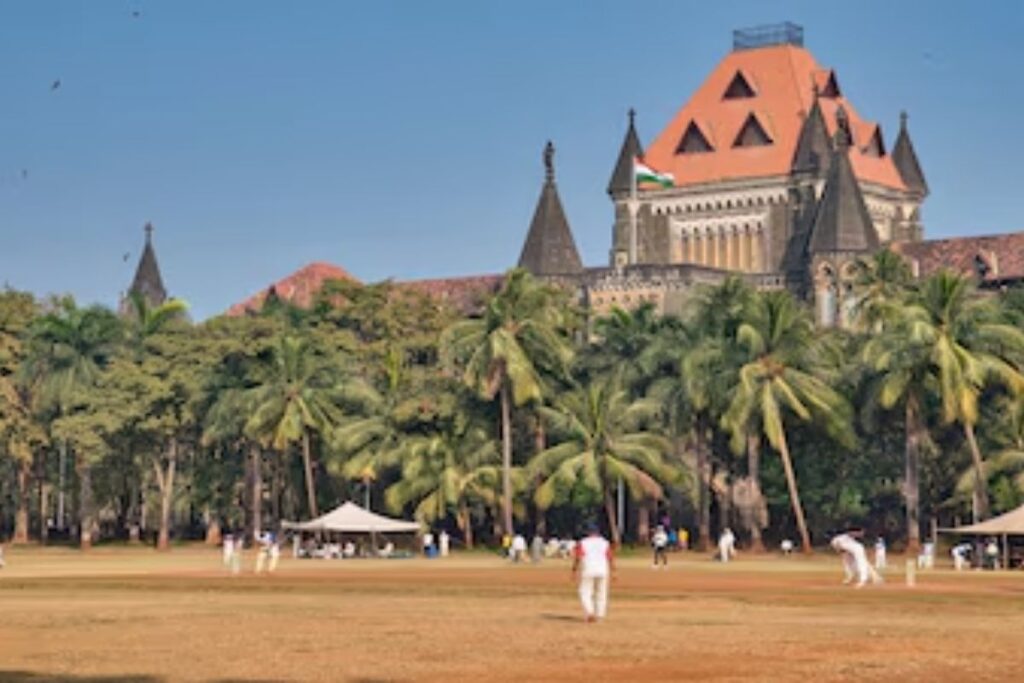
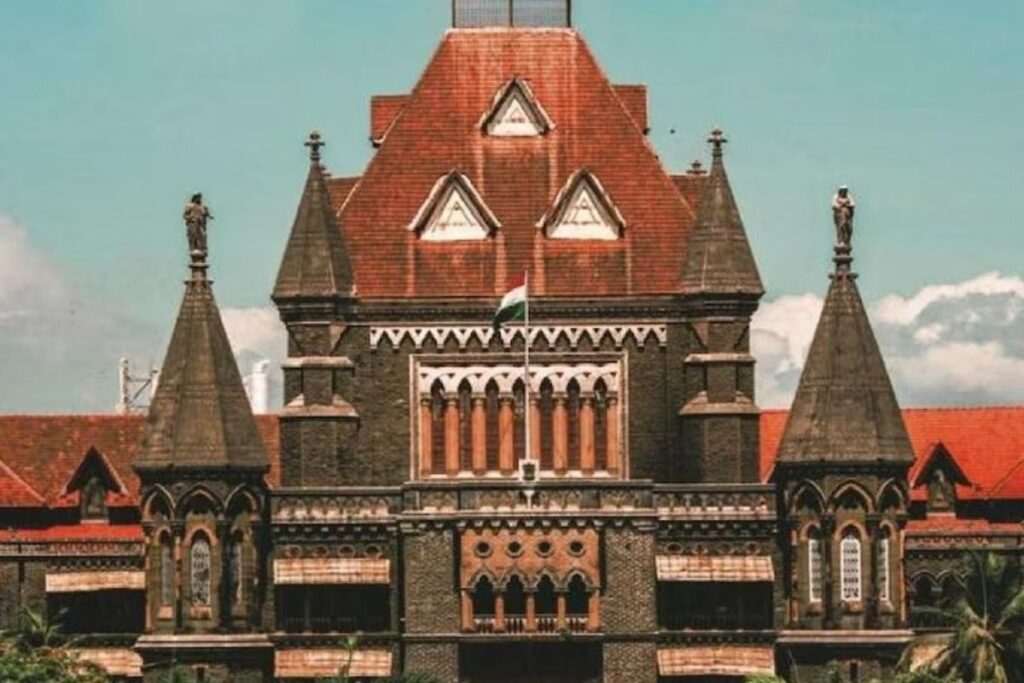
The Bombay High Court in X v. State Authorities (Goa) has clarified that decrees passed by Indian civil courts cannot be treated as “foreign decrees” under the Portuguese legal framework still applicable in Goa. The ruling addresses a recurring administrative issue faced by litigants in the State.
A Division Bench comprising Justice Valmiki Menezes and Justice Amit S. Jamsandekar held that authorities in Goa cannot insist on review or confirmation of such decrees by a High Court. The Bench directed the State Registrar and all sub-registrars to follow this position uniformly.
The Court further ordered that all pending applications where similar objections were raised must be decided within two weeks. This direction aims to ensure that individuals are not subjected to unnecessary procedural delays due to incorrect interpretation of law by registration authorities.
The dispute arose when a Civil-cum-Sub Registrar in Salcete refused to cancel a marriage entry from 2007, despite a valid divorce decree issued in 2022 by a family court in Bengaluru. The registrar treated the decree as a “foreign decree” under the Portuguese Code of Civil Procedure, 1939, requiring confirmation by a High Court.
Rejecting this approach, the High Court held that such an interpretation was legally flawed. It observed that after Goa’s integration into India, local laws cannot treat the rest of the country as foreign territory. The Bench stated, “After the liberation, the local and special law of the State of Goa cannot treat the rest of India as foreign territory.”
The Court described the registrar’s objection as “arbitrary, perverse and contrary to law.” It emphasised that decrees passed by competent Indian courts are fully enforceable across the country without requiring additional validation under foreign judgment provisions.
In its reasoning, the Bench referred to prior decisions of the Supreme Court of India to underline that the Portuguese Civil Code, 1867, though historically derived, now operates as an Indian law. Therefore, its provisions must be interpreted in harmony with Indian legal principles.
The Court clarified that provisions relating to “foreign judgments” in Portuguese enactments apply only to decisions delivered by courts outside India. It further held that, following the extension of the Code of Civil Procedure, 1908 to Goa, definitions of “foreign court” and “foreign judgment” must align with those provided under Indian law.
Allowing the petition, the High Court directed the registrar to cancel the marriage entry within one week. The judgement is expected to bring clarity and consistency in handling civil decrees across Goa’s registration system.
——————————————–
Have a case update, article, or deal to share? Courtroom Today welcomes contributions from lawyers, law firms, and legal professionals. Write to contact@courtroomtoday.com