AI Can Resolve 60% of Court Cases: Justice Manmohan Says Routine Litigation May Soon Shift to Automated Systems
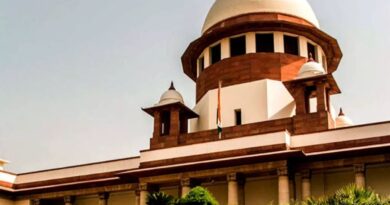
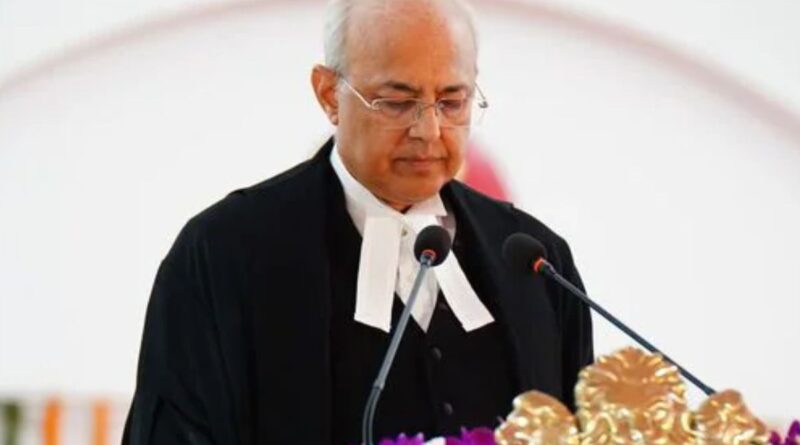
Supreme Court judge Justice Manmohan has said that Artificial Intelligence (AI) has the potential to clear nearly 60% of India’s pending cases if routine, small-ticket matters are handled through automated systems.
He was speaking at the India Law, AI and Tech Summit 2025 in Delhi, organised by Oak Bridge, where he delivered the keynote address.
Justice Manmohan explained that a major part of the country’s case load consists of repetitive disputes that do not require deep judicial analysis. Matters like traffic violations, cheque bounce cases and other small offences, he said, could be processed by AI-enabled platforms without affecting fairness.
According to him, shifting such cases to AI-assisted decision-making could significantly reduce pendency and allow judges to focus on the remaining 40% of complex litigation.
He also pointed out that AI can help courts handle large clusters of similar cases—such as land acquisition matters—by grouping them, making it easier for courts to dispose of multiple cases with a single ruling.
At the same time, the judge warned against the risks of AI, including hallucinated case laws, biases in algorithms and concerns around data privacy. He stressed that these issues must be addressed before expanding AI’s role in the justice system.
Justice Manmohan also revealed that the Supreme Court has started piloting an AI tool called SU-PACE, designed to read case files, identify issues and highlight key precedents for judges. Calling it a “digital research assistant,” he said the tool helps judges save time while going through bulky case papers. SU-PACE, however, does not deliver judgments; it only summarises and flags relevant material.
He noted that the future is likely to see a hybrid judicial model where technology takes over administrative work, and human judges focus on cases involving complex reasoning, empathy and constitutional interpretation. “The essence of justice will always depend on the integrity and intellect of judges, not algorithms,” he added.
In the same session, senior lawyer and SILF President Dr Lalit Bhasin raised concerns about lawyers becoming over-dependent on AI. Sharing an experience from interviewing young lawyers, he said many of their drafts looked identical, indicating minimal independent thinking.
He warned that although AI tools are useful, they should not replace human reasoning.
Dr Bhasin also highlighted larger issues behind delays in the justice system—such as too many laws, outdated laws and overlapping legislation—arguing that these problems must be resolved to reduce pendency effectively.
——————————————–
Have a case update, article, or deal to share? Courtroom Today welcomes contributions from lawyers, law firms, and legal professionals. Write to contact@courtroomtoday.com