Bar Associations Are Private Bodies, Not ‘State’: Delhi High Court
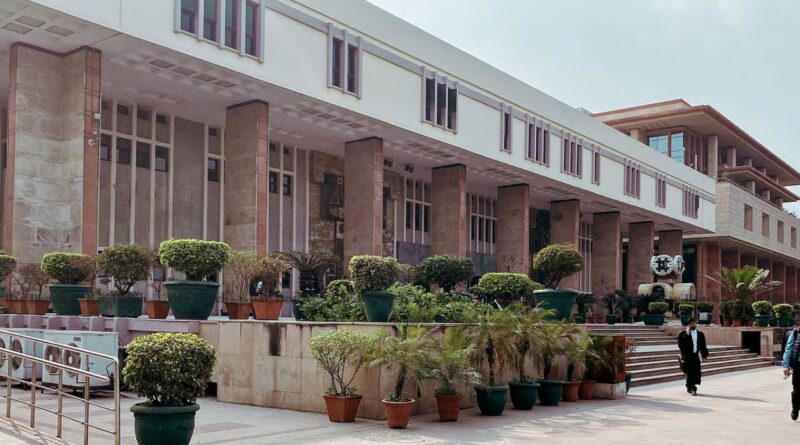
The Delhi High Court has ruled that a bar association is a private body and does not fall under the definition of ‘State’ or ‘instrumentality of State’ under Article 12 of the Constitution.
Because of this, the High Court cannot issue a writ of mandamus against a bar association under Article 226, which empowers High Courts to issue writs against the State and public authorities.
A Division Bench comprising Chief Justice Devendra Kumar Upadhyaya and Justice Tejas Karia explained that bar associations mainly work to protect the interests of lawyers. They do not perform public or governmental functions and therefore cannot be treated as State bodies.
The Court made these observations while dismissing an appeal filed by advocate Sangita Rai against the New Delhi Bar Association. Rai had challenged the dismissal of her writ petition related to a dispute over a lawyer’s chamber at the Patiala House Courts complex.
Rai claimed that she had been using the chamber since 2013 on rent and was illegally dispossessed when others broke the lock and blocked her access to important files. She approached the High Court seeking restoration of possession and action against those involved.
However, the Court agreed with the single-judge’s view that since the Bar Association is a private body, it is not subject to writ jurisdiction. The Bench said Rai should have approached the Bar Council for relief. It also noted that she was free to initiate criminal proceedings against the lawyers allegedly involved in the incident.
In the end, the High Court upheld the single-judge’s order and rejected the appeal.
——————————————–
Have a case update, article, or deal to share? Courtroom Today welcomes contributions from lawyers, law firms, and legal professionals. Write to contact@courtroomtoday.com