In Pushpa Sanjay Gupta v. State of Maharashtra and Ors, the Bombay High Court’s Nagpur Bench recently raised serious concerns over professional conduct after a lawyer appeared for multiple parties without proper authorisation.
The matter arose from a plea filed by Pushpa Gupta seeking removal of alleged unauthorised constructions on a piece of land in Nagpur. The dispute involved encroachments, including commercial establishments, on government land and a plot leased to the petitioner.
During the hearing, certain private respondents attempted to justify their possession by relying on a civil court decree. However, the petitioner challenged this claim, asserting that the decree did not support their case and may have been wrongly presented.
A Bench comprising Justices Anil L Pansare and Nivedita P Mehta observed that if the allegation regarding misuse or fabrication of the decree is proven, it would amount to a serious fraud on the court. The Bench noted that such conduct could also lead to separate contempt proceedings against the concerned parties.
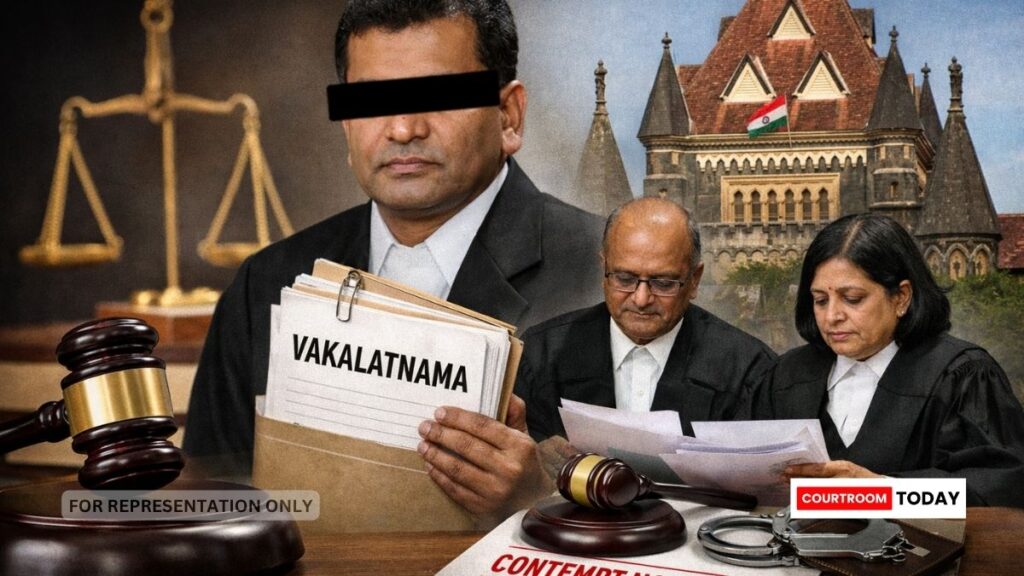
The Court was particularly concerned with the conduct of Advocate SD Chande. It found that although the lawyer had filed a vakalatnama for only one respondent, he had appeared and made submissions on behalf of seven respondents.
Taking note of this, the Court remarked that it had earlier passed orders based on his submissions. It further recorded that the respondents had relied on a forged document, leading the Court to issue contempt notices against them.
The Bench expressed strong displeasure over the lawyer’s actions, observing that he had misled both the Court and the parties involved. It stated that such behaviour amounts to professional misconduct and cannot be taken lightly.
Accordingly, the High Court referred the matter to the Bar Council of Maharashtra and Goa, directing it to take appropriate action against the advocate within four months. The Court also highlighted that similar concerns had been raised about the lawyer’s conduct in the past.
On the issue of encroachments, the Nagpur Improvement Trust informed the Court that the unauthorised structures on the leased plot would be removed within six weeks.
——————————————–
Have a case update, article, or deal to share? Courtroom Today welcomes contributions from lawyers, law firms, and legal professionals. Write to contact@courtroomtoday.com