CJI BR Gavai: NLU Model Pushing Graduates Towards Corporates, Not Public Service
Chief Justice of India (CJI) BR Gavai has cautioned that while the National Law University (NLU) model has transformed legal education in India, it has also unintentionally directed most of its graduates towards corporate jobs rather than public service.
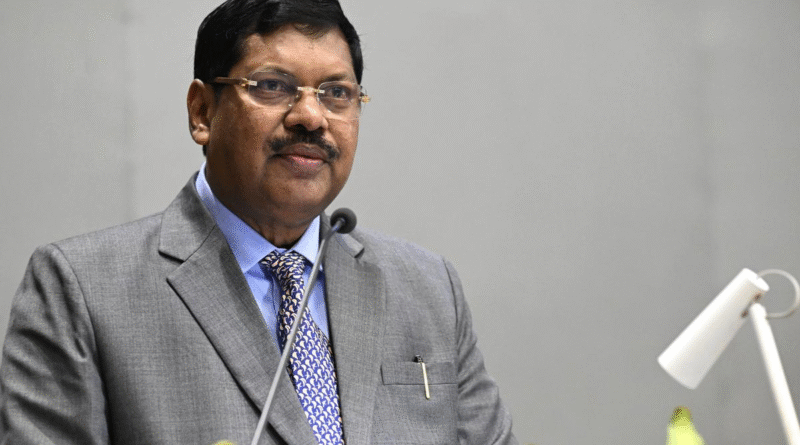
Speaking at the Prof. NR Madhava Menon Memorial Lecture at Dr Ambedkar International Centre in New Delhi, the CJI said law schools should not measure their success only through placements or salary packages. “Our classrooms must be spaces where critical thinking thrives. The real aim is to prepare students to be the guardians of the Constitution,” he stressed.
CJI Gavai underlined that although the corporate world requires skilled lawyers, society equally needs professionals who can tackle global challenges and work for social change. “Law is not merely a career, but a vocation of public service, rooted in justice and human dignity,” he said.
He also urged law schools to rethink their teaching methods. Instead of just asking “what did the court hold,” teachers should encourage students to explore “why did the court hold.” This approach, he explained, would help them understand judicial philosophy, constitutional values, and the dilemmas judges face.
Another important focus of his lecture was access to justice and education. CJI Gavai pointed out that many citizens are excluded due to geographical distance, financial barriers, and language limitations. He suggested using technology, promoting legal education in regional languages, and creating pathways for first-generation learners. Unless these obstacles are removed, he warned, access to law will remain “a privilege for the few, not a reality for all citizens.”
Finally, the CJI reminded Indian academics of their global responsibility. He urged them to actively contribute to international debates on rights, environment, technology, migration, and peace. Perspectives from the Global South, he said, must not remain marginal but should shape the global legal discourse
——————————————–
Have a case update, article, or deal to share? Courtroom Today welcomes contributions from lawyers, law firms, and legal professionals. Write to contact@courtroomtoday.com