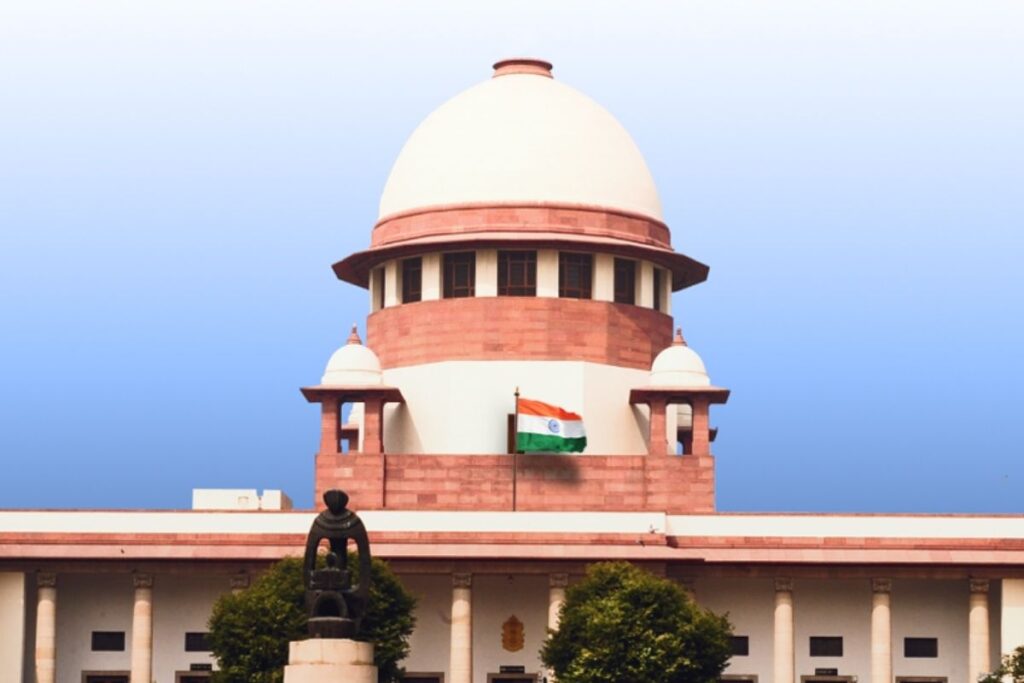
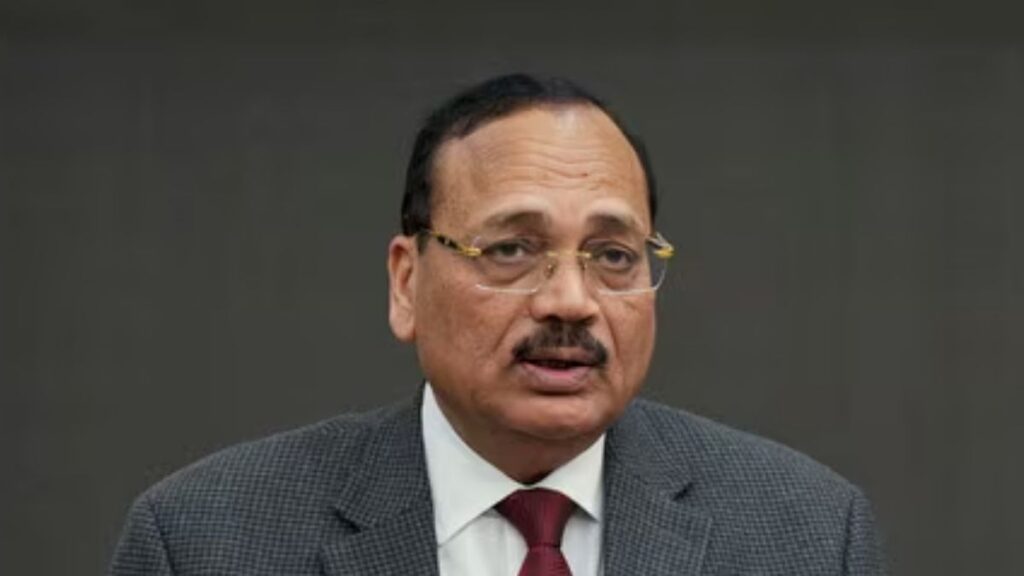
The Supreme Court on Saturday clarified that Chief Justice of India Surya Kant did not compare unemployed youth to “cockroaches” or “parasites,” after media reports widely circulated his oral remarks from a recent court hearing.
The controversy began during the hearing of a contempt petition filed by advocate Sanjay Dubey regarding the implementation of the Supreme Court’s judgement on the designation process for senior advocates in the Delhi High Court.
During the proceedings on May 15, a Bench comprising CJI Surya Kant and Justice Joymalya Bagchi made sharp observations about individuals allegedly entering the legal profession with fake degrees. However, several reports later interpreted the remarks as criticism directed at unemployed youth and young lawyers.
Responding to the backlash, the CJI issued a clarification on Saturday, stating that his observations were wrongly quoted and taken out of context.
“I am pained to read how a section of the media has misquoted my oral observations made during the hearing of a frivolous case yesterday,” the CJI said.
He explained that his criticism was specifically aimed at people who allegedly use fake or bogus educational qualifications to enter respected professions, including the legal field.
“What I had specifically criticised were those who have entered professions like the Bar with the aid of fake and bogus degrees. Such persons have sneaked into media, social media, and other noble professions and hence they are like parasites,” the statement added.
The issue had gained attention after reports claimed that the CJI referred to unemployed youngsters in the legal profession as “cockroaches” who were turning towards social media activism and RTI-related activities.
The remarks were originally made while the Bench was questioning the purpose behind seeking senior advocate designation. Justice Bagchi had also observed during the hearing whether the designation should be viewed as a status symbol or as a means to contribute meaningfully to the justice system.
In his clarification, the CJI strongly rejected the suggestion that he had criticised India’s youth.
“It is totally baseless to suggest that I criticised the youth of our nation. Not only am I proud of our present and future human resource, but every youth of India inspires me,” he stated.
The clarification comes amid growing discussions around courtroom observations being selectively reported without full context. The statement from the CJI also highlighted his confidence in the country’s younger generation and their role in building a developed India.
——————————————–
Have a case update, article, or deal to share? Courtroom Today welcomes contributions from lawyers, law firms, and legal professionals. Write to contact@courtroomtoday.com