CJI Surya Kant Urges High Court Collegiums to Consider Women Advocates for Elevation
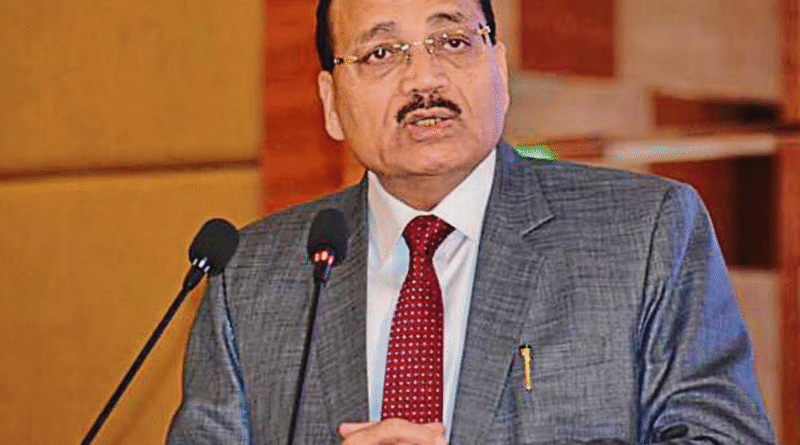
Chief Justice of India Surya Kant called for greater representation of women in the higher judiciary while addressing the International Women in Law Conference on the occasion of International Women’s Day. He urged High Court collegiums to actively consider women advocates for judicial appointments and not dismiss candidates merely because they fall outside strict age criteria.
The Chief Justice also encouraged High Court collegiums to look beyond their immediate Bar and consider women advocates from their respective States who are currently practising before the Supreme Court of India. According to him, widening the zone of consideration would help strengthen women’s representation on the Bench.
Speaking at the inaugural session of the International Women in Law Conference in New Delhi, the Chief Justice emphasised that the time for meaningful change had arrived. He stated, “High Court collegiums must recognize that the moment for measured action is not in the future, it is now.”
The conference was organised around the theme “Half the Nation, Half the Bench.” The initiative was conceptualised by Mahalakshmi Pavani, with support from Shobha Gupta. The event brought together several prominent members of the judiciary and legal community, including former Chief Justice of India N. V. Ramana and Attorney General R. Venkataramani.
In his keynote address, the Chief Justice highlighted that women in the legal profession have historically faced significant barriers. He noted that barely a century ago, colonial laws did not even permit women to practise law. Despite such challenges, women have progressed in the profession through competence and perseverance rather than concessions.
Referring to the historic appointment of Fathima Beevi, the Chief Justice recalled her words: “I opened the door.” He said that the symbolic opening created by her appointment must continue to expand, ensuring that the judiciary reflects the diversity of society.
The Chief Justice also highlighted some encouraging trends. At present, there are two women serving as Chief Justices of High Courts, and with the expected elevation of Lisa Gill, the number is set to increase to three. He also noted that the Punjab and Haryana High Court currently has 18 women judges, while the Madras High Court and Bombay High Court also have significant representation of women judges.
According to the Chief Justice, the district judiciary shows promising signs of progress, with women constituting approximately 37 percent of judges. He stated that if the base of the judicial system becomes more inclusive, the higher judiciary will eventually reflect the same diversity.
The Chief Justice stressed that the presence of women judges enriches the judicial process by bringing varied life experiences. However, he clarified that women judges do not apply a different standard of justice. The Constitution, oath, and responsibilities remain the same for all judges.
He also acknowledged the unique challenges faced by women lawyers in the profession, including workplace bias and demanding professional expectations. Despite these obstacles, many women have succeeded through dedication and belief in the institution.
Concluding his remarks, the Chief Justice emphasised that institutional intent must be supported by practical steps. “Institutional intent is not enough and should be accompanied by institutional action,” he said, urging the legal community to build stronger pathways for women to reach the judiciary.
——————————————–
Have a case update, article, or deal to share? Courtroom Today welcomes contributions from lawyers, law firms, and legal professionals. Write to contact@courtroomtoday.com