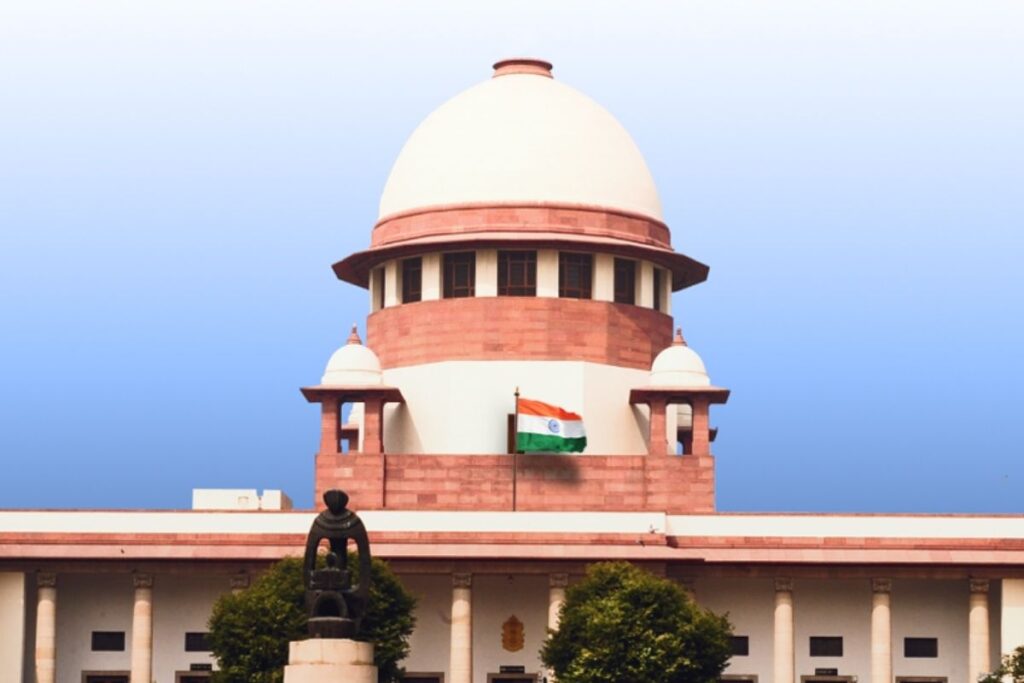
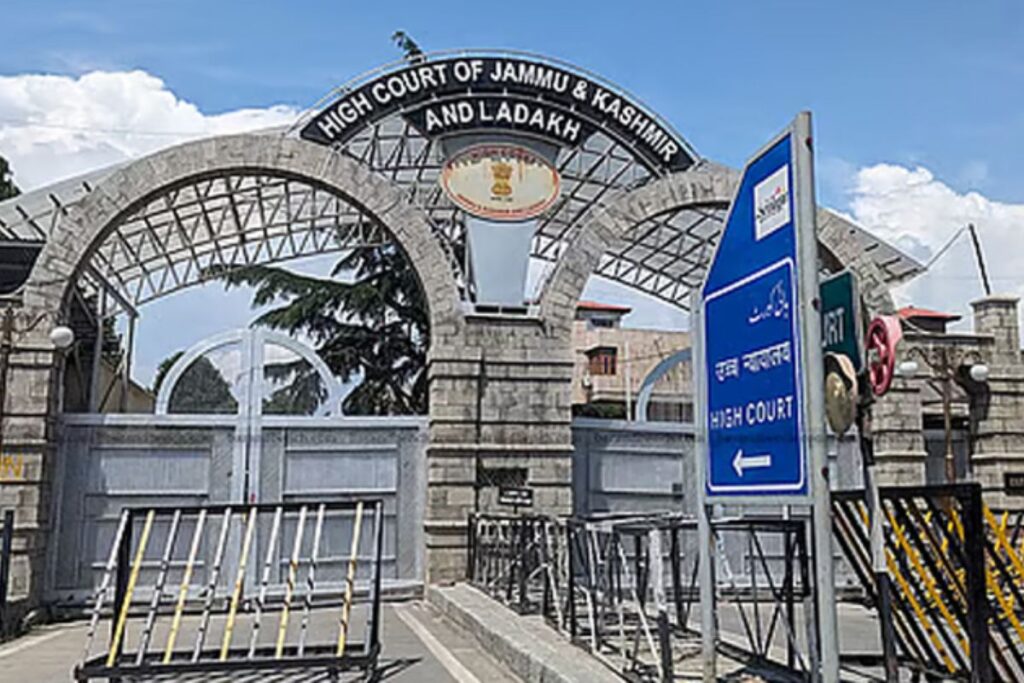
The recent recommendation by the Collegium of the High Court of Jammu & Kashmir and Ladakh marks a significant moment in the region’s judicial history, particularly with the inclusion of advocate Tabasum Zafar. Her name stands out as it could lead to the first elevation of a Kashmiri woman to the High Court Bench.
The Collegium has proposed the names of eleven individuals for appointment as judges of the High Court. This list includes ten advocates and one serving judicial officer, reflecting a mix of experience from both the Bar and the Bench.
Among the recommended advocates are individuals holding key legal positions. These include Vishal Sharma, serving as Assistant Solicitor General, and Tahir Majid Shamsi, who is currently Deputy Solicitor General. The list also features Amit Gupta, a former Additional Advocate General, indicating the inclusion of experienced law officers.
The recommendation of Tabasum Zafar carries special importance. If the Central government approves her appointment, it will be a historic development for gender representation in the region’s judiciary. It would also signal a broader move towards inclusivity within the High Court.
The only judicial officer recommended for elevation is Yash Paul Bourney. His inclusion reflects the Collegium’s balanced approach in selecting candidates with judicial experience alongside those from litigation backgrounds.
The selection process followed by the Collegium was extensive and consultative. It focused on key factors such as merit, integrity, competence, and standing at the Bar. These criteria remain central to judicial appointments across the country.
Sources indicate that the Collegium also gave importance to regional and social representation. Efforts were made to ensure adequate representation from the Kashmir Bar as well as from the Union Territory of Ladakh. Special attention was given to include members from the Buddhist community.
Further, the recommendations reflect an attempt to include candidates from diverse backgrounds. Representation from communities such as Kashmiri Pandits, Scheduled Tribes, and Scheduled Castes has been considered in the selection process.
The recommendations come at a time when the High Court is functioning below its sanctioned strength. In November 2024, the strength of the High Court was increased from 17 to 25 judges. This includes 19 permanent and 6 additional judges.
Currently, only 13 judges are serving, leaving 12 positions vacant. The proposed appointments, if approved, will help address this shortage and improve the functioning of the High Court.
——————————————–
Have a case update, article, or deal to share? Courtroom Today welcomes contributions from lawyers, law firms, and legal professionals. Write to contact@courtroomtoday.com