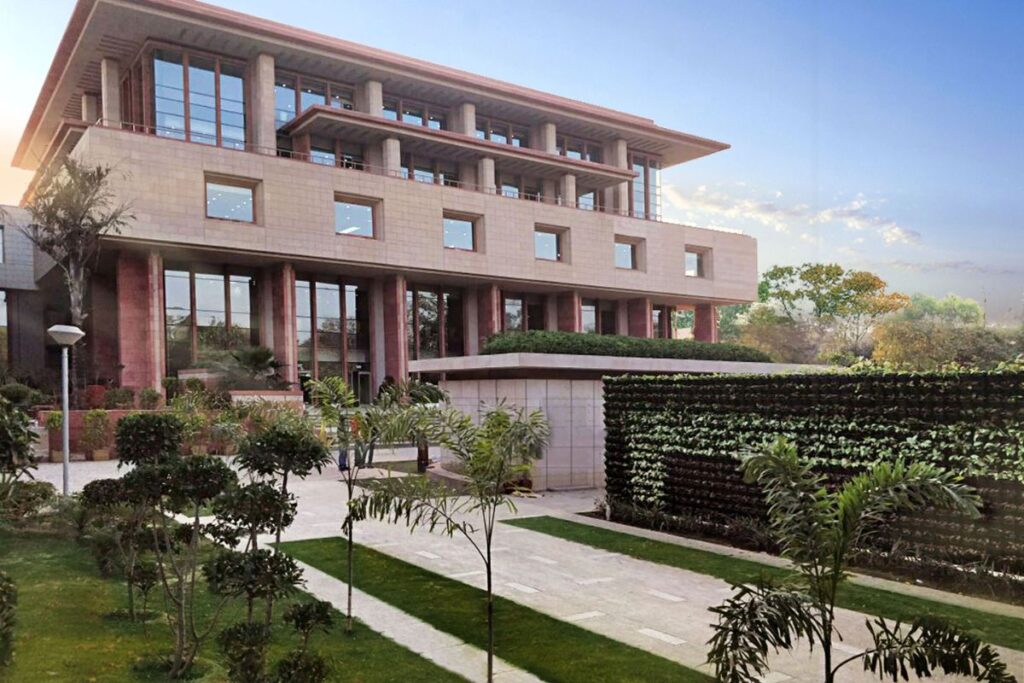
The Delhi High Court, in a trademark dispute between Impresario Entertainment and Hospitality Pvt Ltd and Vardhaman Choksi, has ruled in favour of the “SOCIAL” chain of pubs and cafés, ordering the removal of the “SOCIAL HOUSE” mark from the Trade Marks Register.
The case centred on Impresario’s challenge to a trademark registered by Mumbai-based restaurateur Vardhaman Choksi. Impresario operates the well-known “SOCIAL” brand across India and argued that the impugned mark created confusion and lacked genuine use.
Justice Tejas Karia examined the conduct of the respondent and raised serious concerns. The Court noted,
“The evidence points towards Vardhaman Choksi being a squatter of Trade Marks. Vardhaman Choksi’s approach of applying for Marks identical to globally renowned Marks reflects a deliberate practice of Trade Mark squatting. This manipulative tactic entails adopting, seeking registration of, or even securing registration for Trade Marks linked with established brands, with the calculated intent of later selling these rights at a premium to the genuine Trade Mark proprietors. Such conduct undermines the sanctity of the Trade Mark Register and highlights the necessity to uphold and protect the rights of bona fide proprietors.”
A key issue before the Court was whether the “SOCIAL HOUSE” mark had been genuinely used for the services for which it was registered. Choksi argued that the mark was used in connection with events at his nightclub “Escobar” in Mumbai.
However, the Court found that such use was insufficient. The mark was registered under Class 43, which relates to restaurant and hospitality services. The activities cited by Choksi fell under Class 41, covering entertainment services.
The Court clarified that use in a different class does not satisfy the requirement of genuine use for the registered category. Since no restaurant or hospitality service was operated under the “SOCIAL HOUSE” mark, the registration could not be sustained.
Explaining the principle of non-use, the Court observed,
“Unless the non-use is explained by way of special circumstances (eg. COVID-19) in the trade, the Mark would be liable to be removed for non-use.. In the present case, it has been observed that there is no use of the Mark ‘SOCIAL HOUSE’ with respect to the relevant services it was registered for, and Vardhaman Choksi has been unable to substantiate special circumstances in the trade for non-use thereof and therefore, the Mark ‘SOCIAL HOUSE ’ is wrongly remaining on the register of Trade Marks and is liable to be cancelled.”
On the other hand, Impresario demonstrated consistent and extensive use of its “SOCIAL” mark since 2014. The Court recognised the brand’s strong market presence, multiple outlets, and substantial commercial success.
Rejecting the argument that “SOCIAL” is merely a common word, the Court held that even generic terms can acquire distinctiveness through continuous and significant use in a particular industry.
Accordingly, the Court allowed Impresario’s appeal, directed the removal of “SOCIAL HOUSE,” and dismissed all rectification petitions filed against Impresario’s trademarks.
——————————————–
Have a case update, article, or deal to share? Courtroom Today welcomes contributions from lawyers, law firms, and legal professionals. Write to contact@courtroomtoday.com