Right to Appear in Exams Is Part of Article 21: Allahabad High Court
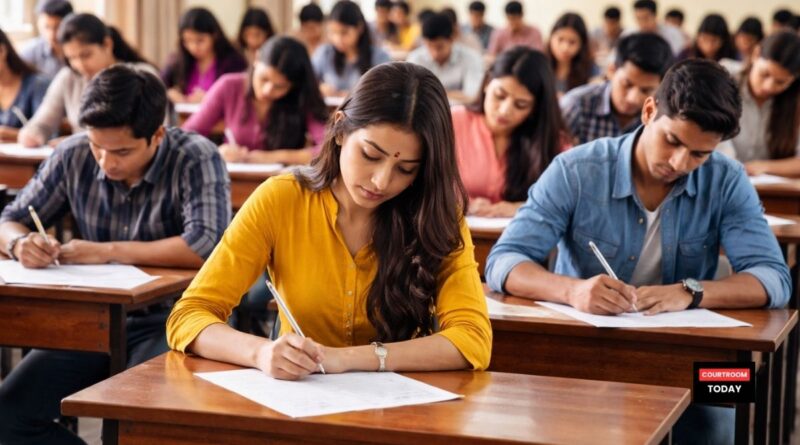
The Allahabad High Court has held that a student’s right to appear in an examination is linked to the fundamental right to live with dignity under Article 21 of the Constitution. The Court said that a student’s future cannot be put at risk due to technical or administrative mistakes made by educational authorities.
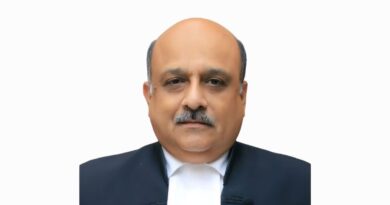
The observation was made by Justice Vivek Saran while hearing a petition filed by a first-year undergraduate student, Shreya Pandey, who was stopped from appearing in her first semester examination because of lapses at the university level.
Shreya Pandey is a student of Urmila Devi PG College, Prayagraj, and is pursuing a BSc (Biology) course. When her first semester examinations were scheduled, the University failed to issue her admit card. As a result, she was not allowed to sit for the exam, even though she was not at fault.
The High Court noted that appearing in an examination is closely connected to a student’s dignity and future. It observed that when a student has fulfilled all requirements, her academic career should not suffer due to technical errors or negligence by authorities.
As an interim relief, the Court directed the University to conduct a special examination for the petitioner within two weeks. It also ordered that her result be declared within a reasonable time so that she can continue her studies without delay.
During the hearing, it came to light that the petitioner’s details were available on the University’s online portal but were left in “draft form” and never properly updated. This led to the non-issuance of her admit card.
The petitioner had earlier submitted a representation to the Vice-Chancellor through the college principal in November 2025. The college informed the Court that around 30 students had faced similar issues due to technical problems. While records of 25 students were later updated, the petitioner and four others were left out despite repeated communication.
The University argued that since the records were not updated in time, issuing an admit card was not possible. However, the Court noted that the University was aware of the issue but failed to take timely corrective steps. It also pointed out that the University did not clearly explain how such technical problems are handled once they are reported.
Considering these facts, the High Court intervened to protect the student’s academic future. It also directed the University to file a counter-affidavit explaining the procedure followed when technical errors in the portal are brought to its notice.
The matter will be heard again on February 10.
——————————————–
Have a case update, article, or deal to share? Courtroom Today welcomes contributions from lawyers, law firms, and legal professionals. Write to contact@courtroomtoday.com