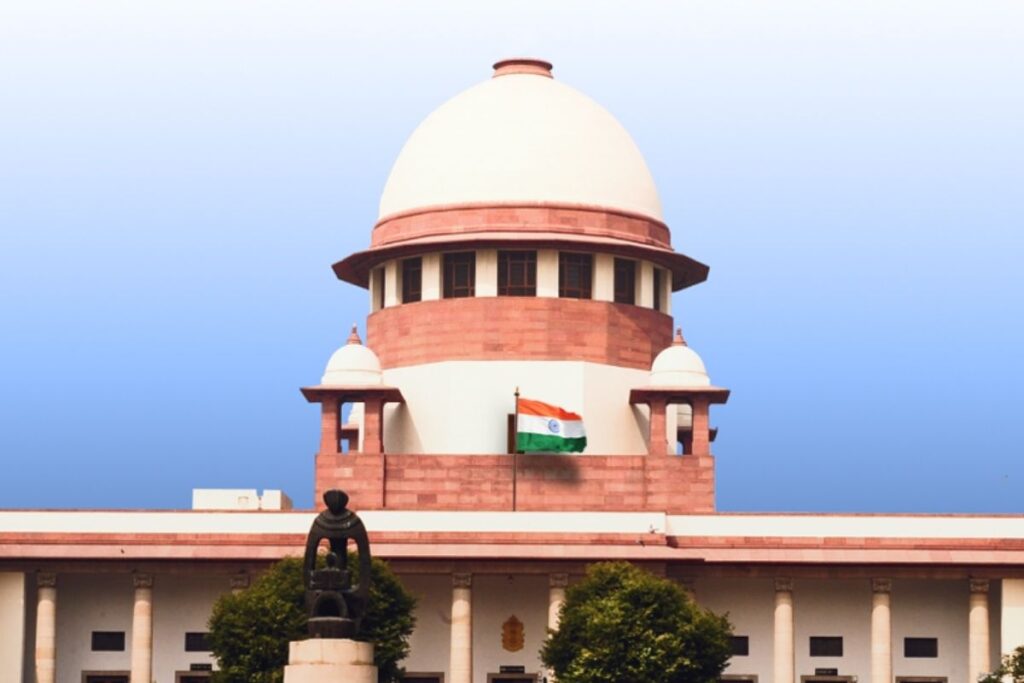

In Ram Chandra Choudhary & Ors v. Roop Nagar Dugdh Utpadak Sahakari Samiti Limited and Others, the Supreme Court clarified that the right to contest elections is not a fundamental right and remains subject to statutory limitations.
The Bench comprising Justices BV Nagarathna and R Mahadevan emphasised that electoral rights operate within a legal framework defined by statutes. It reiterated that both voting and contesting elections are distinct rights, with the latter subject to stricter regulatory conditions.
The Court observed, “It is well settled that neither the right to vote nor the right to contest an election is a fundamental right… these rights are purely statutory in nature and exist only to the extent conferred by statute.” It further clarified that the right to contest can be regulated through qualifications, eligibility norms, and disqualifications.
The dispute arose from elections to District Milk Unions in Rajasthan. Certain bye-laws prescribing eligibility conditions for contesting elections to the Board of Directors were challenged before the High Court, which had declared them invalid.
However, the Supreme Court disagreed with the High Court’s reasoning. It held that the High Court wrongly equated restrictions on candidature with restrictions on the right to vote, thereby confusing two separate legal concepts.
The Court noted, “The impugned bye-laws operate solely in the domain of candidature and holding of office, without impinging upon the right to exercise franchise.” It clarified that the bye-laws only governed eligibility to contest and did not affect the voting rights of members.
Further, the Court distinguished between “eligibility” and “disqualification.” It held that the High Court erred in treating eligibility conditions as disqualifications under the statute. According to the Court, the bye-laws only prescribed minimum standards for participation in governance.
The Court also upheld the authority of cooperative societies to frame bye-laws regulating their internal governance and electoral processes. It observed that statutory provisions recognise the role of bye-laws in structuring representation and administration within such bodies.
Additionally, the Court found that the High Court exceeded its writ jurisdiction by passing a decision affecting multiple societies without hearing all concerned parties. It stressed that such an approach violated principles of natural justice.
Referring to this lapse, the Court stated that the failure to provide an opportunity of hearing to affected parties “strikes at the root of audi alteram partem.”
In conclusion, the Supreme Court allowed the appeal and set aside the High Court’s judgement. It reaffirmed that while the right to vote allows participation in elections, the right to contest remains a regulated statutory privilege.
——————————————–
Have a case update, article, or deal to share? Courtroom Today welcomes contributions from lawyers, law firms, and legal professionals. Write to contact@courtroomtoday.com