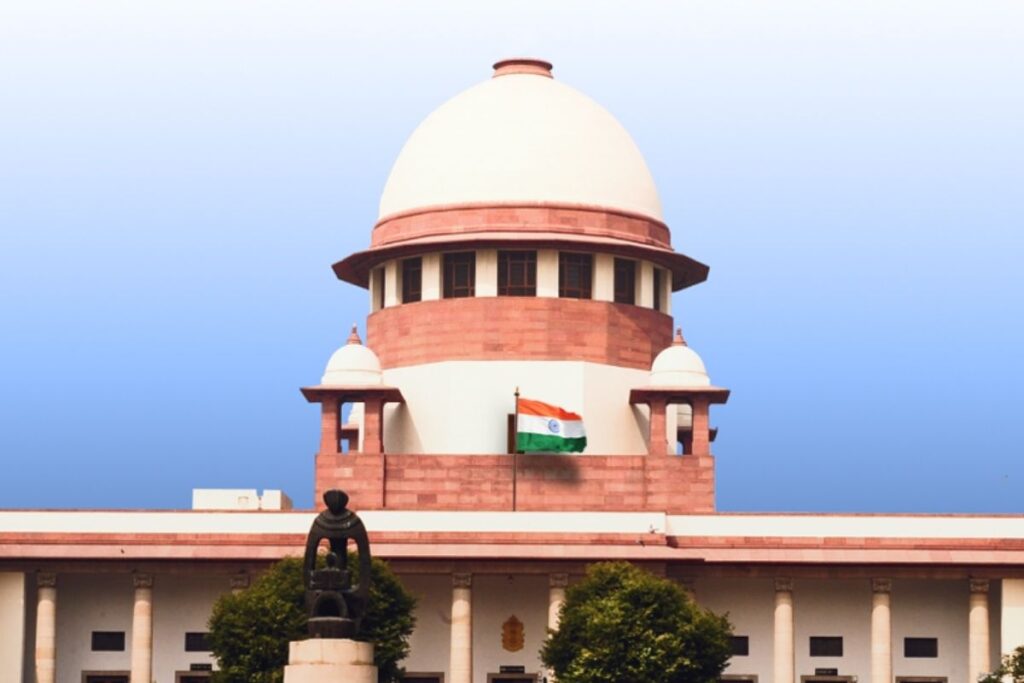
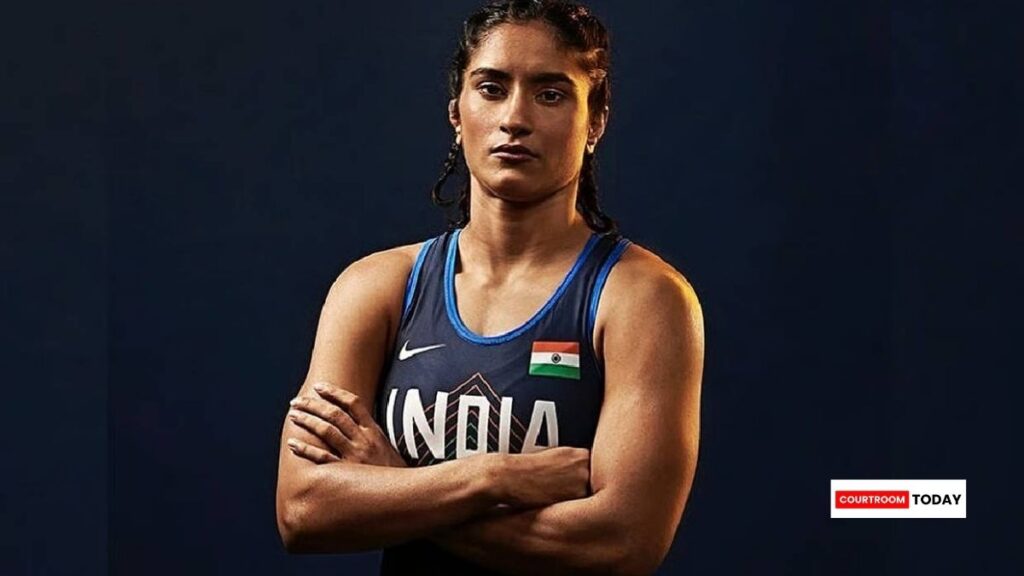
In Wrestling Federation of India v. Vinesh Phogat, the Supreme Court on Friday allowed wrestler Vinesh Phogat to participate in the Asian Games selection trials scheduled for May 30. While granting the relief, the Court expressed concerns about the reasoning adopted by the Delhi High Court but chose not to interfere with its order at this stage.
A Bench comprising Justices PS Narasimha and Alok Aradhe was hearing a plea filed by the Wrestling Federation of India (WFI) challenging the Delhi High Court’s interim order that permitted Phogat to compete in the trials.
The Supreme Court declined to stay the High Court’s directions and made it clear that Phogat should be allowed to participate in the selection process. The Bench also issued notice on WFI’s petition and stated that the larger issues raised in the dispute would be examined later.
During the hearing, Justice Narasimha pointed to certain facts that raised concerns. The Court noted that Phogat had taken a sabbatical in December 2024 and later became a mother in July 2025. She had informed the federation that she would become eligible to compete from January 2026.
However, the Bench observed that she had missed a scheduled doping test and that the International Testing Agency (ITA) had not accepted her explanation for the absence. The Court stressed that compliance with international anti-doping requirements is essential because Indian sport remains closely linked with global sporting standards.
Justice Narasimha remarked that while Phogat is an accomplished athlete who has brought pride to the country, international rules cannot be ignored. The Court questioned the Delhi High Court’s approach of treating the matter primarily as one involving motherhood when the dispute also involved compliance with testing norms and eligibility requirements.
Senior Advocate Madhavi Divan, appearing for Phogat, argued that the issue was closely connected to her maternity-related break from sport. She urged the Court to allow her client to participate in the trials, subject to the final outcome of the case. Divan also alleged that changes in the selection policy were designed to exclude Phogat from consideration.
The WFI opposed the relief and argued that the federation was merely implementing internationally recognised standards. It maintained that the rules applied equally to all athletes and were not targeted at Phogat. The federation also pointed out that other athlete-mothers compete under the same framework.
Despite its reservations, the Supreme Court felt that withdrawing the relief at the last moment would not be appropriate. Justice Narasimha observed that equitable considerations sometimes require a practical approach beyond strict legal analysis.
The controversy began after the Delhi High Court directed that Phogat be allowed to participate in the May 30 and 31 selection trials. The High Court had held that the WFI policy appeared exclusionary because it did not adequately account for athletes returning from maternity-related breaks. It also ordered video recording of the trials and supervision by independent observers to ensure transparency.
The Supreme Court has now allowed Phogat to take part in the trials while keeping the broader legal questions regarding the selection policy open for future consideration.
——————————————–
Have a case update, article, or deal to share? Courtroom Today welcomes contributions from lawyers, law firms, and legal professionals. Write to contact@courtroomtoday.com