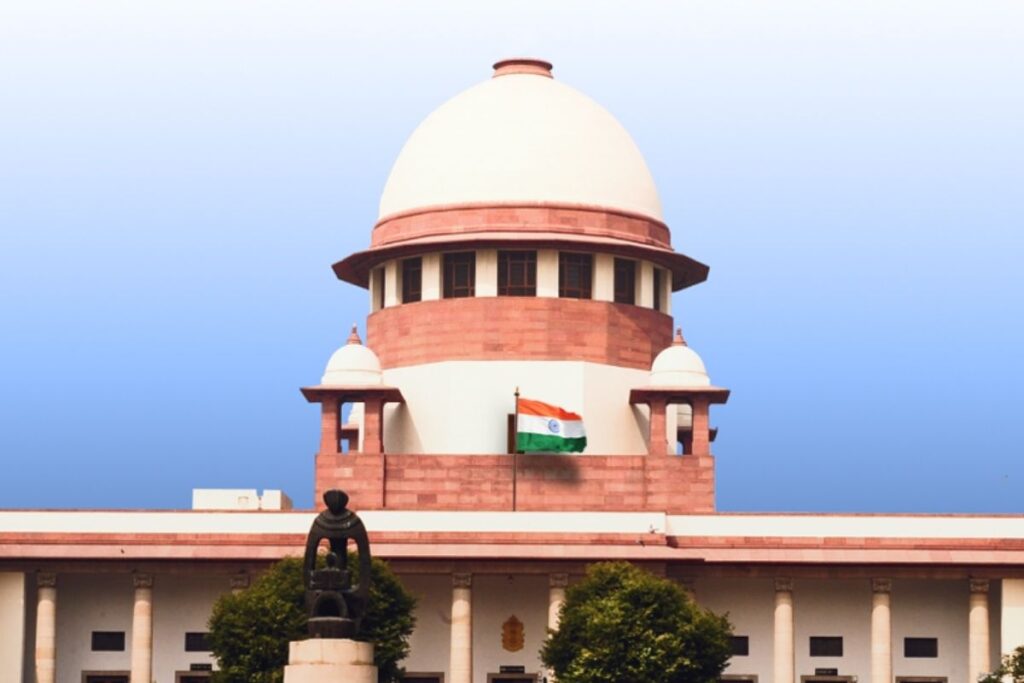
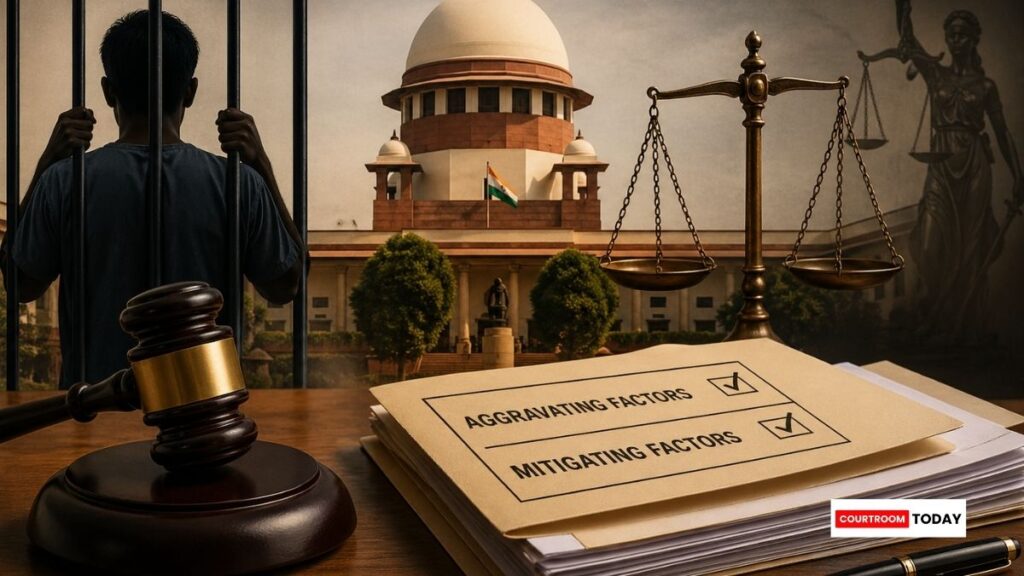
In Aman Singh and Another v. State of Bihar, the Supreme Court has issued significant directions to ensure a fair and balanced sentencing process in death penalty cases. The Court emphasised that trial courts must collect crucial material on aggravating and mitigating circumstances before deciding punishment.
The Bench comprising Justice Vikram Nath, Justice Sandeep Mehta and Justice Vijay Bishnoi was hearing appeals against a Patna High Court judgement confirming death sentences. During the proceedings, the Court stayed the execution of the sentence until final disposal.
The Court relied on its earlier ruling in Manoj and Others v. State of Madhya Pradesh, which had already recognised the importance of gathering mitigating factors before imposing the death penalty. However, it noted that such directions were often not being followed at the trial or High Court stage.
The judges highlighted a recurring issue where reports on mitigating and aggravating factors are not collected at the appropriate stage. As a result, relevant material reaches the Supreme Court for the first time during appeals, leading to delays and affecting the fairness of sentencing.
“However, we are constrained to take note of a troubling trend being presented in multiple cases wherein reports on mitigating and aggravating circumstances are not being called for at the earliest stages of proceedings…”
The Court observed that such delays weaken the objective of a balanced sentencing process and hinder the proper application of reformative principles. It also pointed out systemic deficiencies, including inadequate legal representation for accused persons in capital punishment cases.
To address these concerns, the Court issued detailed nationwide directions. Trial courts must mandatorily call for reports on mitigating and aggravating circumstances immediately after conviction and before sentencing. If this is not done, High Courts must ensure such reports are obtained at the stage of admission of death sentence references.
The Court further directed that Legal Services Committees must appoint a dedicated legal team, including a Senior Counsel and experienced advocates, to represent convicts in death penalty cases. Each High Court has also been asked to maintain a specialised panel of advocates for such matters.
Additionally, the National Legal Services Authority has been tasked with framing guidelines to standardise the collection of mitigation data. This includes gathering details on socio-economic background, mental health, and other relevant factors to assist courts in making informed sentencing decisions.
In the present case, the Court directed authorities in Bihar to submit reports on the conduct, work, and psychological condition of the convicts. The matter will be taken up again after the required reports are placed on record.
——————————————–
Have a case update, article, or deal to share? Courtroom Today welcomes contributions from lawyers, law firms, and legal professionals. Write to contact@courtroomtoday.com