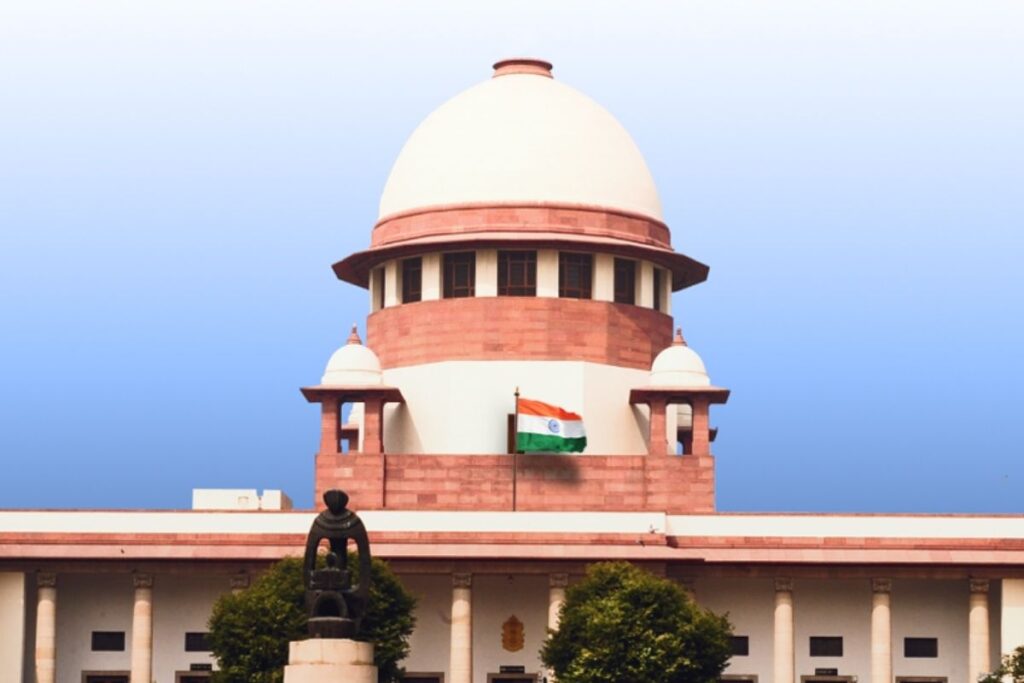
The Supreme Court of India has announced a set of fuel-saving measures, including virtual hearings on select days, work-from-home arrangements for Registry staff, and carpooling by judges, following Prime Minister Narendra Modi’s appeal to reduce fuel consumption amid the ongoing West Asia crisis.
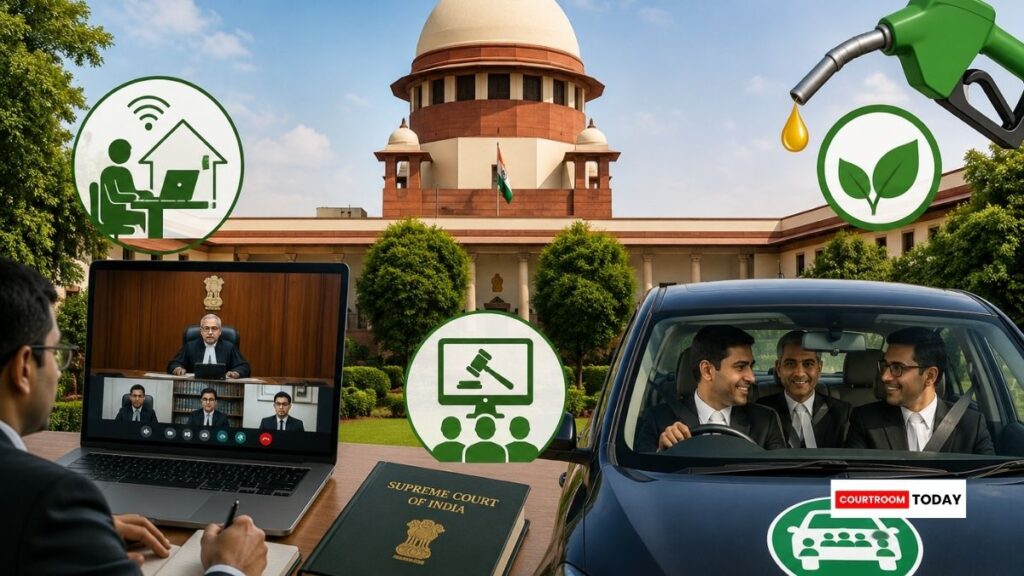
A circular issued by Secretary General Bharat Parashar stated that all matters listed on miscellaneous days such as Mondays and Fridays, along with cases taken up during partial working days, will now be heard exclusively through video conferencing. The Registry has been directed to ensure smooth virtual hearing facilities and provide timely technical support to avoid inconvenience to lawyers and litigants.
The Court also introduced a work-from-home policy for Registry employees. Under the new arrangement, up to 50 per cent of staff members in each branch or section may work remotely for a maximum of two days a week. However, adequate staff presence in offices has been made mandatory to ensure uninterrupted court functioning.
As per the circular, concerned Registrars will prepare weekly rosters in advance. Employees working from home must remain available over phone and be prepared to report to office whenever required. Registrars have also been given authority to modify or restrict the arrangement if remote working affects efficiency in any particular branch or section.
In another significant move, judges of the Supreme Court have unanimously agreed to encourage carpooling among themselves to ensure better fuel utilisation. The measure is aimed at supporting broader national efforts to conserve fuel during the current international situation.
The circular clarified that these directions were issued in line with the Office Memorandum released by the Department of Personnel and Training on May 12. The measures have come into effect immediately and are expected to continue until further orders.
The decision marks one of the rare instances where the country’s highest court has formally adopted large-scale operational changes in response to a national fuel conservation appeal. It also revives some practices that became common during the Covid-19 period, especially virtual hearings and remote working arrangements.
——————————————–
Have a case update, article, or deal to share? Courtroom Today welcomes contributions from lawyers, law firms, and legal professionals. Write to contact@courtroomtoday.com