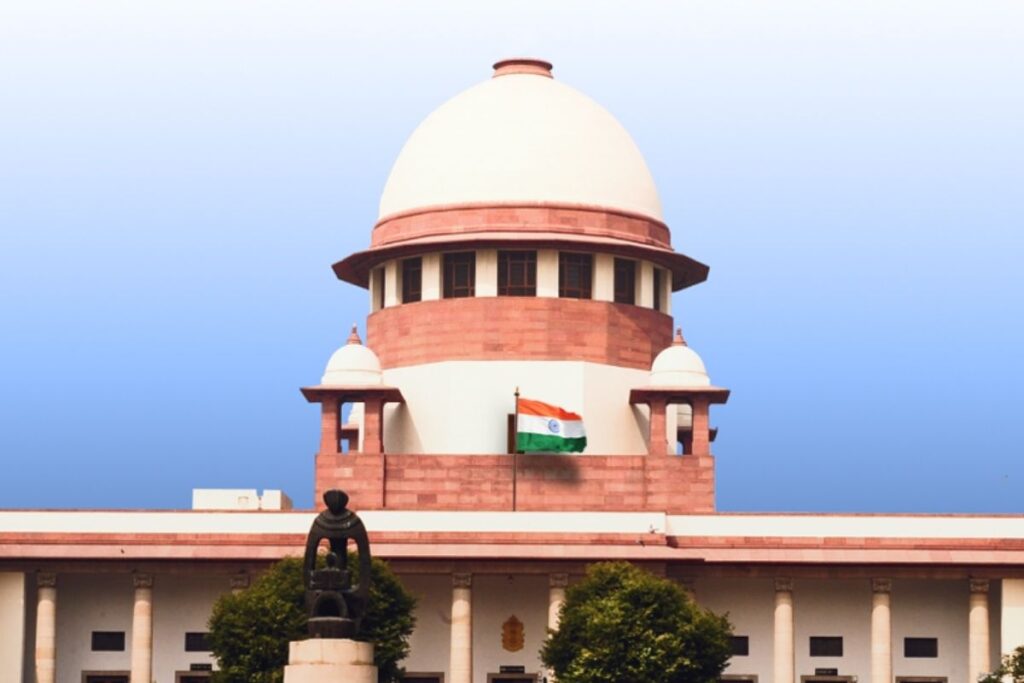

In Prem Pal Singh v. Disciplinary Committee of the Bar Council of India & Others, the Supreme Court has held that the Bar Council of India (BCI) cannot issue a warning against an advocate when the misconduct complaint itself has been found baseless. The Court said such adverse remarks were unjustified after both the State Bar Council and the BCI had concluded that the complaint lacked merit.
A bench of Justice Vikram Nath, Justice Sandeep Mehta and Justice Vijay Bishnoi passed the judgement while allowing an appeal filed by advocate Prem Pal Singh from Moradabad, Uttar Pradesh.
The matter arose from a complaint filed under Section 35 of the Advocates Act, 1961. The complainant, who was the advocate’s brother-in-law, alleged that the advocate had threatened to kill him during an ongoing matrimonial dispute involving the advocate’s sister.
The Uttar Pradesh State Bar Council examined the allegations and dismissed the complaint. It found the accusations to be false, frivolous and motivated by mala fide intentions. The State Bar Council also imposed costs of Rs. 25,000 on the complainant for filing the complaint with an improper motive.
The complainant then approached the BCI against the State Bar Council’s decision. The BCI upheld the findings that the complaint had no merit and refused to interfere with the dismissal order. However, it removed the costs imposed on the complainant.
At the same time, the BCI issued a warning to the advocate, observing that he should not engage in conduct involving threats or intimidation against the complainant in future. This warning became the subject matter of challenge before the Supreme Court under Section 38 of the Advocates Act.
The Supreme Court found the BCI’s conduct contradictory. The bench noted that once both disciplinary bodies had accepted that the complaint was baseless, there was no justification for issuing an adverse warning against the advocate.
The Court observed, “The disciplinary committee of the State Bar Council as well as the disciplinary committee of the Bar Council of India did not find any merit in the complaint. Inspite thereof, the disciplinary committee of the Bar Council of India, without any justification whatsoever proceeded to issue a warning to the appellant-advocate.”
The bench further noted that the complainant had accepted the concurrent findings against him and had not challenged those findings before any forum. Therefore, the BCI exceeded its authority by recording remarks against the advocate despite there being no proven misconduct.
Quashing the warning, the Supreme Court stated that the observations made by the BCI against the advocate were liable to be struck off entirely. The Court ultimately removed the adverse remarks from the record and allowed the appeal.
——————————————–
Have a case update, article, or deal to share? Courtroom Today welcomes contributions from lawyers, law firms, and legal professionals. Write to contact@courtroomtoday.com