Supreme Court Seeks Statutory Backing for Pharma Marketing Code to Curb Freebies to Doctors
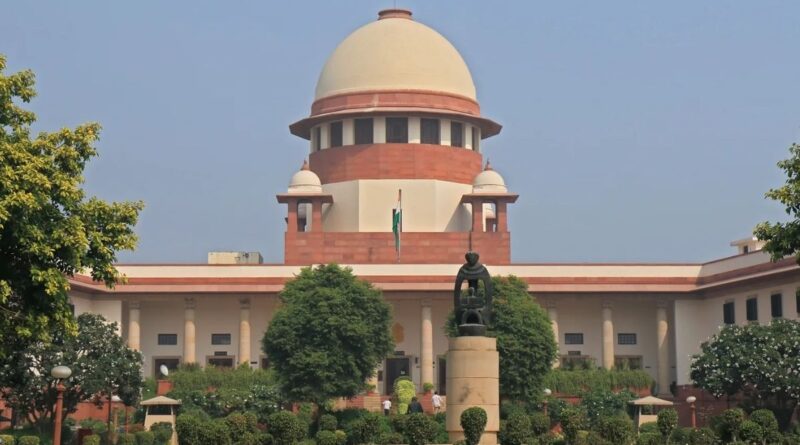
The Supreme Court on Tuesday (November 18) asked the Union Government whether it plans to give statutory force to the Uniform Code of Pharmaceutical Marketing Practices (UCPMP), 2024. The bench noted that keeping the Code voluntary puts consumers at a clear disadvantage, as there is no strong enforcement system to control unethical behaviour of pharmaceutical companies.
During the hearing, Additional Solicitor General KM Nataraj said that the 2024 UCPMP marks a shift from the earlier voluntary 2015 Code to a more mandatory framework. However, Justice Sandeep Mehta pointed out that even in the revised version, the Ethics Committees remain industry-controlled. He questioned the extent of government oversight and suggested adding the Code under a control order issued through the Essential Commodities Act. According to him, this would give the Code “real teeth”.
The bench of Justice Vikram Nath and Justice Sandeep Mehta was hearing a PIL filed by the Federation of Medical and Sales Representatives Associations of India (FMRAI). The petition seeks a legally binding structure to regulate how pharmaceutical companies promote their medicines, especially in their interactions with doctors.
The Court asked the petitioners to provide practical suggestions on how a statutory mechanism should function—what procedures should apply, whether appeals should be allowed, and who should handle complaints. Justice Mehta also hinted that the Court may frame interim guidelines, similar to the Vishakha guidelines, until the government brings in a law.
Senior Advocate Sanjay Parikh, appearing for the petitioners, argued that the current legal framework unfairly punishes only doctors for accepting gifts or benefits. Pharmaceutical companies offering these inducements face no statutory penalty. He said this imbalance encourages irrational prescriptions, inflated drug prices, and the sale of irrational drug combinations, ultimately harming patients and affecting their right to health under Article 21.
He added that almost 47% of drug combinations available in the market have been declared irrational in various reports, yet many continue to be sold. He also referred to parliamentary reports alleging collusion between drug manufacturers, medical experts, and regulators.
Responding to the concerns, ASG Nataraj said the 2024 Code already includes features such as ethics committees, complaint portals, appeals, auditors, and penalties like reprimands or suspension from trade associations. He argued that this converts the Code into an “enforceable framework”, supported by the Drugs and Cosmetics Act.
However, Justice Mehta highlighted a major gap—ordinary consumers and patients have no statutory remedy. Since prosecutions under the Drugs and Cosmetics Act can be initiated only by drug inspectors, citizens have no direct access to the mechanism. The Court questioned how an average person can challenge unethical marketing practices or obtain essential details such as names of company directors, which are required for filing complaints.
When the ASG said that consumers could approach the UCPMP mechanism, the bench pointed to practical hurdles like the mandatory ₹1,000 fee for each complaint and the difficulty in gathering necessary information. The judges stressed that any Code aiming to protect consumers must give them a simple, accessible way to register grievances.
The Court also noted that the government itself had previously admitted that a voluntary system would not work. It asked whether the Centre planned to revive the 2017 draft Drugs (Control Marketing) Order, which was proposed under the Essential Commodities Act but never notified.
The ASG assured the Court that he would seek instructions from the government regarding a stronger, statutory system.
The Court has now granted time to all parties to submit their suggestions and directed the matter to be heard again on December 16.
In an earlier hearing in May 2025, the Court had remarked that mandatory prescription of generic medicines could significantly reduce the issue of pharmaceutical companies offering benefits to doctors to promote costly branded drugs.
Case Details:
W.P.(C) No. 323/2021 – Federation of Medical and Sales Representatives Associations of India & Ors. vs. Union of India & Ors.
——————————————–
Have a case update, article, or deal to share? Courtroom Today welcomes contributions from lawyers, law firms, and legal professionals. Write to contact@courtroomtoday.com