Supreme Court Warns Mandatory Menstrual Leave Could Harm Women’s Careers, Asks Union To Consider Menstrual Leave Policy After PIL
The Supreme Court has made an important observation regarding menstrual leave in the case Shailendra Mani Tripathi v. Secretary, Ministry of Women and Child Development, Union of India & Ors.. The Court cautioned that making menstrual leave mandatory through legislation could unintentionally harm women’s employment prospects.
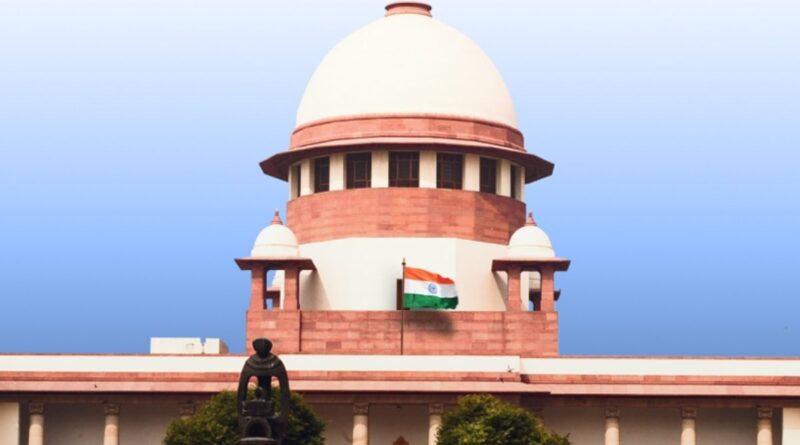
A bench comprising Surya Kant and Joymalya Bagchi disposed of a writ petition seeking directions for paid menstrual leave in workplaces and educational institutions. The Court asked the Union Government to consider the petitioner’s representation while consulting stakeholders to explore a possible policy.
The petition was filed by Shailendra Mani Tripathi, who sought directions to the Union, States, and Union Territories to frame laws or policies recognising menstrual health issues faced by women. The plea highlighted conditions such as dysmenorrhea, endometriosis, uterine fibroids, adenomyosis, and pelvic inflammatory disease, arguing that women require supportive leave policies.
However, the Supreme Court expressed concern that mandating such leave through law might lead to unintended consequences. The bench noted that compulsory menstrual leave could discourage employers from hiring women and may negatively affect their participation in the workforce.
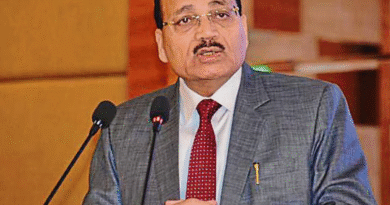
Chief Justice Surya Kant observed that making menstrual leave a legal right could create workplace perceptions that women are less capable during certain periods of the month. According to him, this could eventually affect how responsibilities are assigned to women in professional settings.
“Nobody will give them responsibilities, even in judicial services, a normal trial will not be assigned to them,” the Chief Justice remarked during the hearing.
Justice Joymalya Bagchi also pointed out the practical challenges that employers may perceive in the job market if such leave becomes a mandatory condition under law. He noted that although affirmative action for women is constitutionally recognised, employment decisions often consider market realities and workforce demands.
The Court also questioned the locus of the petitioner, noting that no woman had approached the Court seeking such relief. It observed that this was the third petition filed by the same petitioner on the issue.
Earlier, in February 2023, the Court had allowed the petitioner to submit a representation before the Ministry of Women and Child Development. When the petitioner approached the Court again in 2024 alleging lack of response, the Court directed the government to take a policy decision.
In the present proceedings, the Court reiterated that the petitioner had already taken necessary steps by submitting representations. Therefore, repeated litigation seeking a mandatory direction from the Court was not required.
The Supreme Court ultimately disposed of the petition and directed the competent authority to consider the petitioner’s representation while modelling a policy on menstrual leave in consultation with relevant stakeholders.
——————————————–
Have a case update, article, or deal to share? Courtroom Today welcomes contributions from lawyers, law firms, and legal professionals. Write to contact@courtroomtoday.com