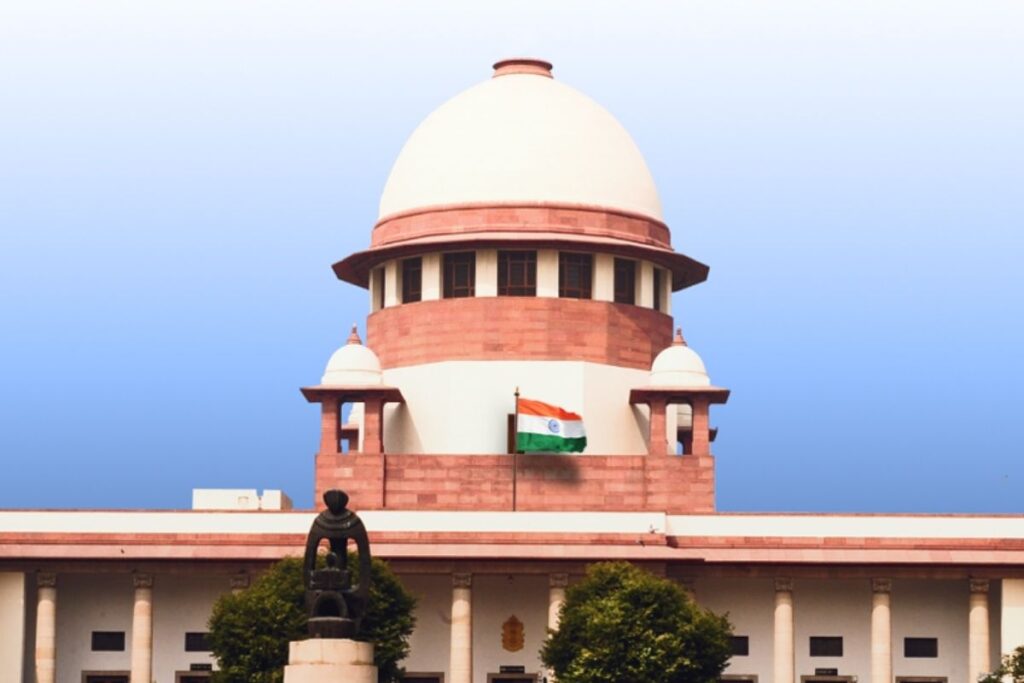
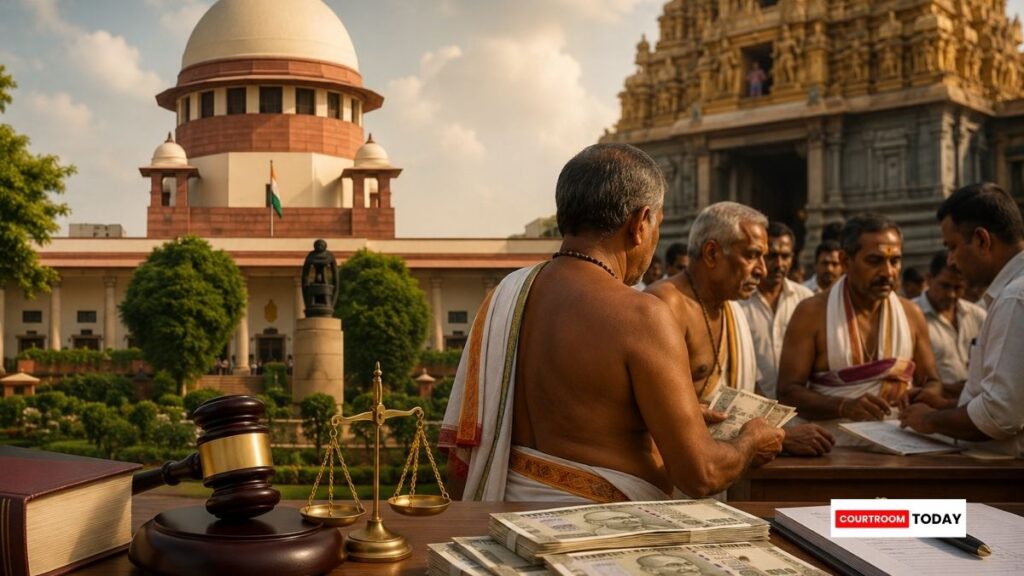
In Ashwini Kumar Upadhyay v. Union of India, the Supreme Court on Monday refused to entertain a public interest litigation seeking a review of wages and service benefits of priests, sevadars and other staff working in state-controlled temples across India.
A bench of Justice Vikram Nath and Justice Sandeep Mehta expressed its unwillingness to interfere in matters relating to temple administration and dismissed the plea after indicating that no judicial intervention was warranted.
The petition was filed by Advocate Ashwini Upadhyay, who appeared before the Court in person. He sought directions for the constitution of a judicial commission or expert committee to examine the wages, working conditions and service benefits of priests and temple employees serving in temples controlled by state authorities.
During the hearing, Upadhyay argued that many temple workers were not receiving fair wages and were unable to maintain a dignified standard of living. He relied on observations made earlier by the Allahabad High Court regarding the need to ensure minimum wages for such workers.
The petitioner further contended that the issue carried national importance because, according to him, temples were being subjected to state control while mosques and churches were not administered in a similar manner. He urged the Court to consider the matter as one affecting the livelihood and dignity of temple staff across the country.
However, the Supreme Court remained unconvinced and orally observed that it was not inclined to intervene in issues concerning temple priests and related affairs. The bench declined to entertain the plea.
After the Court showed its disinclination, Upadhyay requested permission to withdraw the petition with liberty to approach the appropriate authorities for relief. The Court allowed the request and dismissed the matter as withdrawn.
The case was registered as Ashwini Kumar Upadhyay v. Union of India, W.P.(C) No. 625/2026.
——————————————–
Have a case update, article, or deal to share? Courtroom Today welcomes contributions from lawyers, law firms, and legal professionals. Write to contact@courtroomtoday.com