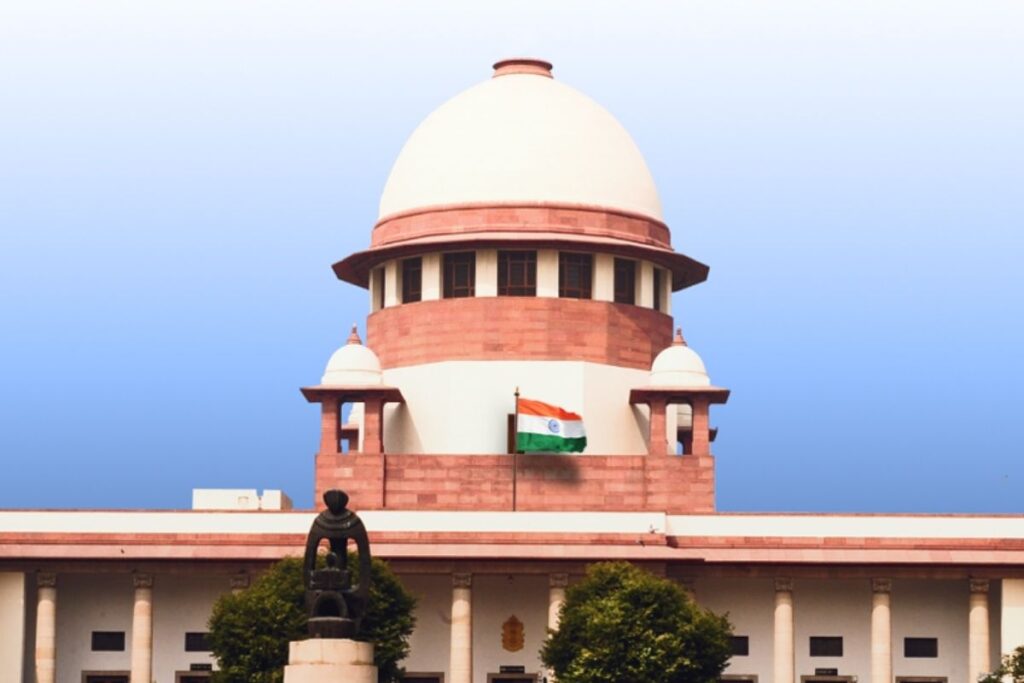

In a significant ruling on digital privacy, the Delhi High Court has recognised the right to be forgotten as a part of the fundamental right to privacy guaranteed under Article 21 of the Constitution. The decision came in a batch of petitions seeking removal, de-linking, de-indexing, or masking of personal information available online through court records and related publications.
Justice Sachin Datta observed that in the digital age, information placed on the internet often remains accessible indefinitely, even when the circumstances surrounding it have changed. The Court held that individuals should have the opportunity to seek protection from the continued online availability of personal information when such disclosure causes disproportionate harm to their privacy, dignity, reputation, or personal life.
“The right to be forgotten thus reflects the evolution of privacy in response to the permanence of online information. In a society where digital records are virtually indelible, the ability to seek erasure ensures that informational self-determination remains effective. It protects individuals from perpetual exposure to past events that may no longer bear relevance, while preserving their dignity and autonomy in the society.”
The petitions before the Court involved various categories of individuals, including those acquitted in criminal cases, parties involved in matrimonial disputes, and persons whose names appeared incidentally in judicial proceedings. Many petitioners argued that search engine results linking their names to past legal matters continued to affect employment opportunities, social standing, and personal relationships despite favourable outcomes in the cases.
Apart from seeking removal of news reports, several petitioners also sought directions against legal databases such as Indian Kanoon, which host court judgments online. They requested that personal identifiers be masked so that searches based on their names would no longer display old legal proceedings.
While recognising privacy concerns, the Court emphasised the need to balance individual rights with the principle of open justice. It therefore laid down a detailed framework governing future requests for masking or de-indexing.
Under the framework, only names and personal identifiers may be concealed. The substantive contents of judgments, including legal reasoning, findings, and conclusions, will remain available to the public. Unredacted copies will continue to be preserved in official court records and remain accessible to courts, litigants, and authorities for legitimate legal purposes.
The Court further clarified that masking orders will apply to both existing and future digital versions of judgments. Once such an order is passed, search engines and legal databases will be required to de-index the judgment from name-based searches. The Court also retained the power to review or revoke masking orders if circumstances change.
Recognising that online disclosure can cause continuing harm, the High Court directed that such applications should be decided expeditiously. The ruling is expected to become an important precedent in shaping the balance between privacy rights and public access to judicial records in India’s evolving digital landscape.
——————————————–
Have a case update, article, or deal to share? Courtroom Today welcomes contributions from lawyers, law firms, and legal professionals. Write to contact@courtroomtoday.com