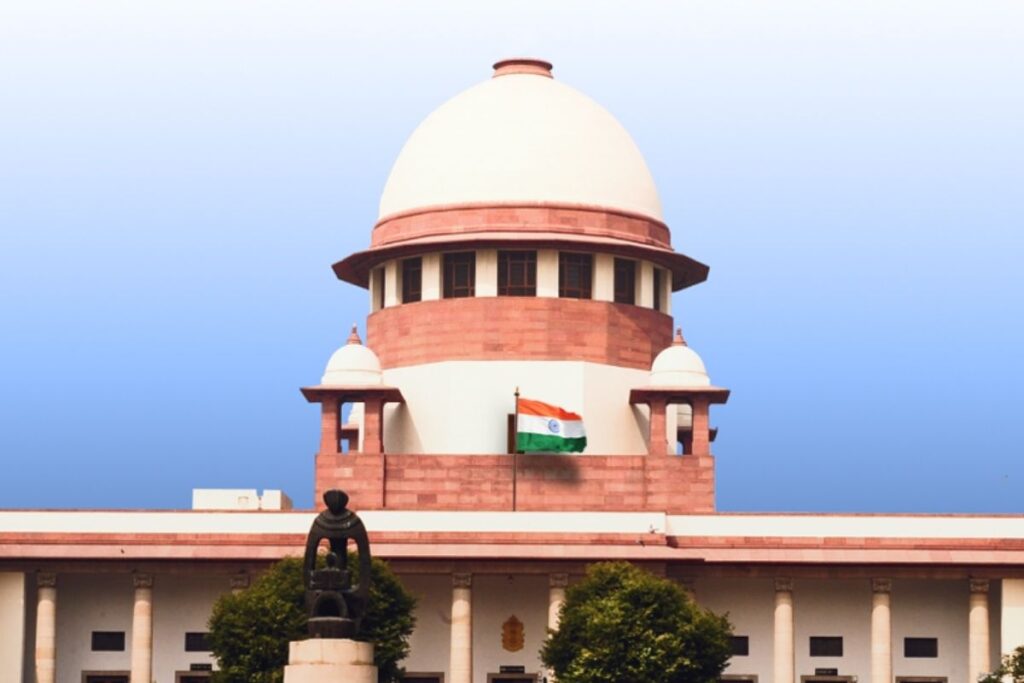

In Dharmendra Kalra & Ors. v. Kulvinder Singh Bhatia, the Supreme Court has ruled that a tenant’s defence cannot be struck off under Order XV Rule 5 of the Code of Civil Procedure, 1908, without first examining whether the failure to deposit rent was wilful or bona fide. The Court stressed that such power cannot be exercised mechanically.
A bench of Justice S.V.N. Bhatti and Justice Prasanna B. Varale observed that before striking off the defence, courts must determine the “first date of hearing” and ensure proper service and opportunity were given to the tenant. The Court said that striking off a defence is a serious consequence and should be used only in cases of deliberate or contumacious default.
The dispute related to two halls occupied by the tenant for operating “Gyan Vaisnav Hotel.” The landlords claimed that the rent had been increased to Rs. 25,000 per month in September 2020 and alleged that the tenant stopped paying rent from November 2020 onwards.
After terminating the tenancy through a notice under Section 106 of the Transfer of Property Act, the landlords filed a suit before the Small Causes Court seeking eviction and recovery of arrears. During the proceedings, they sought striking off the tenant’s defence under Order XV Rule 5 CPC for non-deposit of rent.
The Trial Court allowed the landlords’ application on August 5, 2023 and struck off the tenant’s defence. The tenant then approached the High Court. The High Court partly allowed the revision petition and directed the tenant to deposit rent at the rate of Rs. 1,500 per month instead of Rs. 25,000.
The High Court further warned that failure to deposit the amount within the prescribed period would result in striking off the defence. However, despite subsequent default, the High Court later granted additional time after considering the tenant’s explanation that the local counsel had travelled abroad.
The landlords challenged these orders before the Supreme Court. While setting aside the impugned orders, the Supreme Court clarified that the “first date of hearing” means the stage when the court actually applies its mind to the controversy involved in the suit, and not merely a procedural date.
The Court noted that the Trial Court failed to determine this foundational aspect before invoking Order XV Rule 5 CPC. It also observed that the issue of proper service and opportunity to the tenant was not adequately examined before passing the drastic order of striking off the defence.
The Supreme Court also found inconsistency in the High Court’s approach. It observed that after imposing a conditional direction for deposit within a fixed time, the High Court later extended the timeline without properly reconciling the earlier order.
Accordingly, the matter was remitted to the Trial Court for fresh consideration. The Supreme Court directed the Trial Court to determine the first date of hearing, examine whether there was substantial compliance with Order XV Rule 5 CPC, assess whether the default was wilful or bona fide, and then pass a reasoned order after hearing both parties.
——————————————–
Have a case update, article, or deal to share? Courtroom Today welcomes contributions from lawyers, law firms, and legal professionals. Write to contact@courtroomtoday.com